|
From
adorning brides' hands, to being used to make hip tattoos
on arms and bellies, Mehendi or Henna has gone international.
Once a typically Indian custom and an indispensable
part of a brides makeup, Mehendi has gone cosmopolitan
thanks to the attention it gets through stars like Madonna
,No Doubt and Bjork.
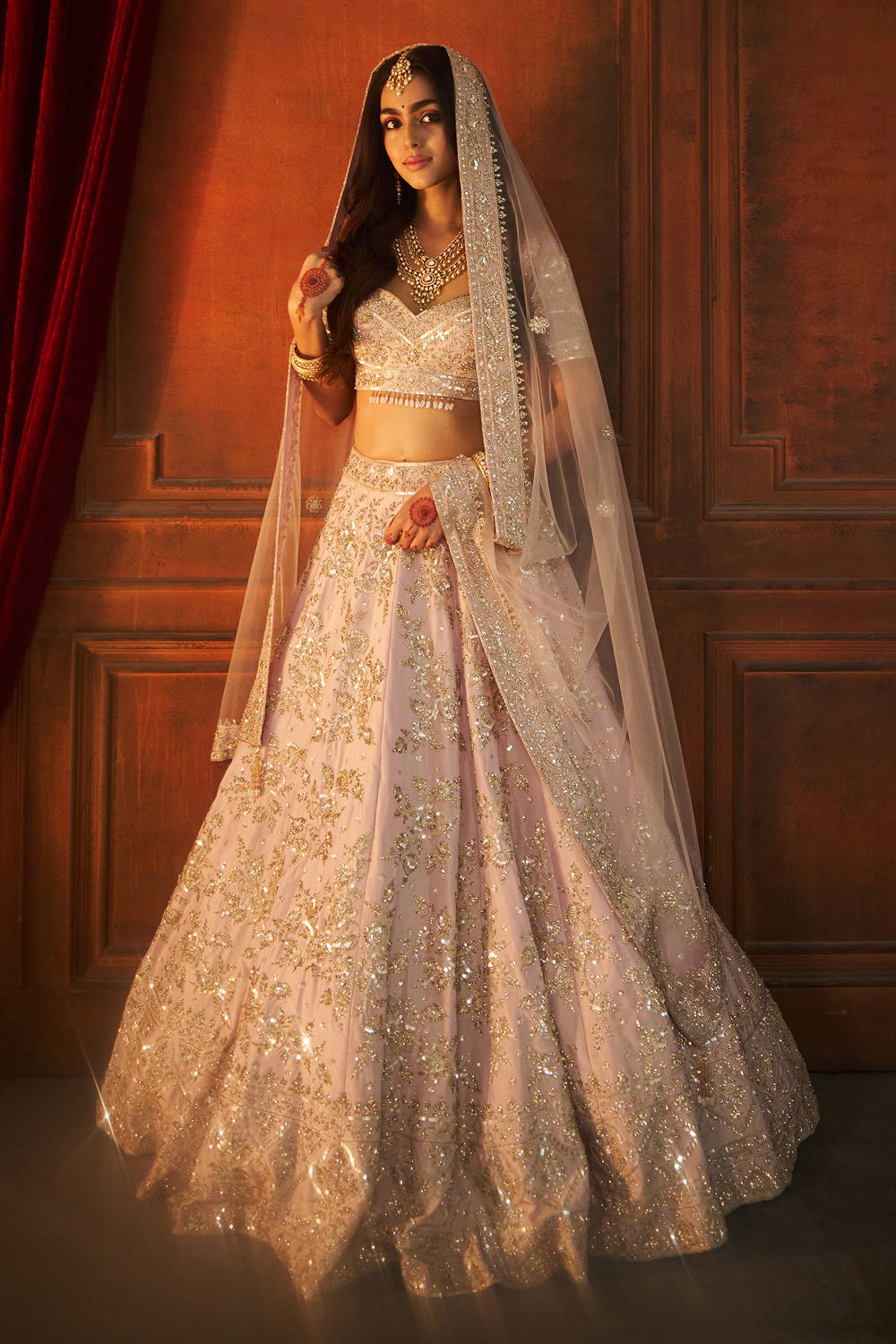
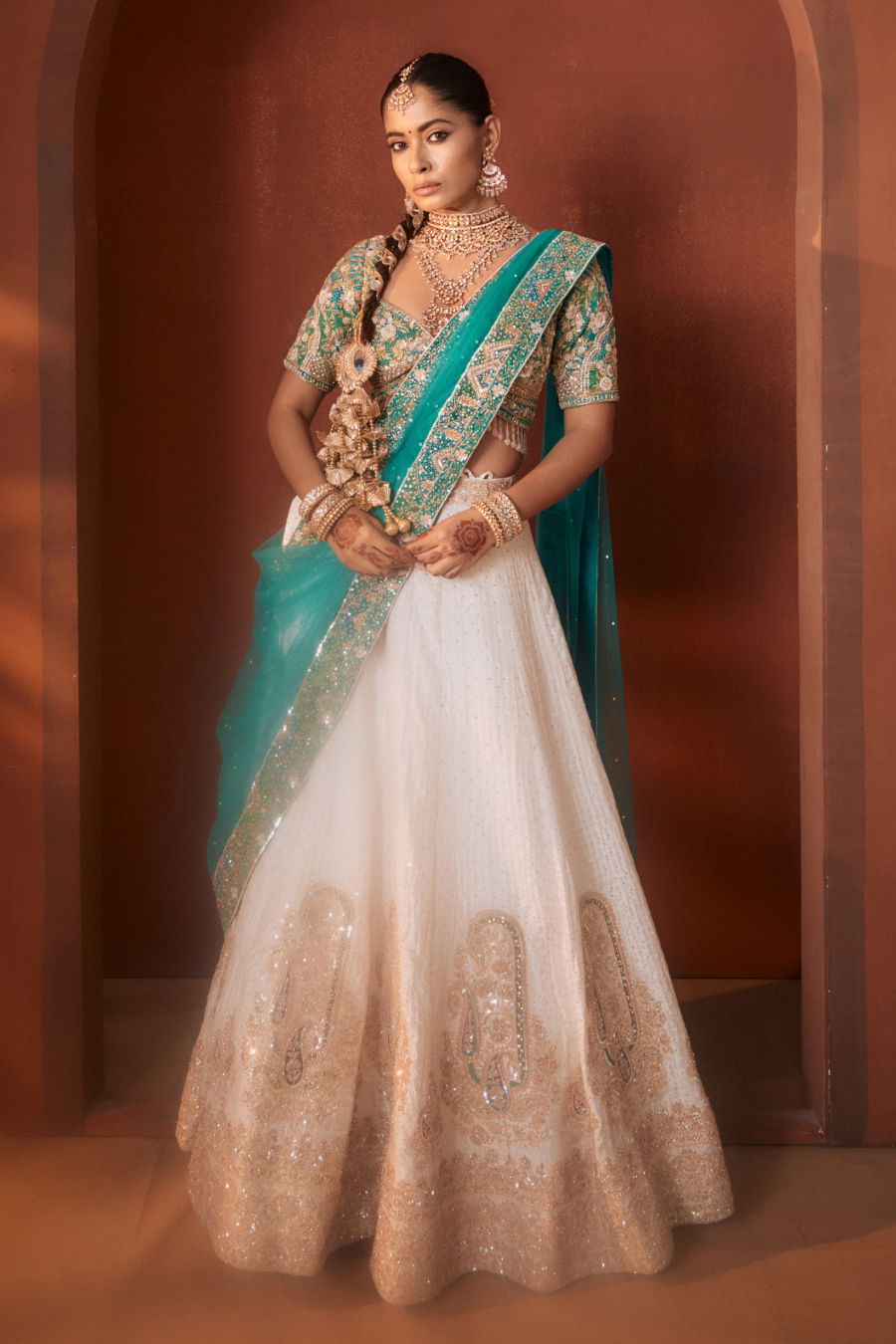
Used at weddings by brides and brides maids, it completes
the bridal attire, it's also considered auspicious,
believed to bring luck and beauty.. and finally part
of superstition ,the darker the mehendi is, the more
the mother in law will love you..and mother-in-laws
playing an important role in indian marriages!..various
things are done to achieve this. The dried mehendi is
oiled, hour after hour, a mixture of lemon and honey
is applied to it, it's held over a flame and finally
it's not even washed but scraped off! Now mehendi as
a tattoo, doesn't come with any such hassels, the darker
it is..the longer it lasts!
Mehendi, that fragrant print on the hands, has a history
and a following that's fast crossing international boundaries.
Associated mainly with happy occasions and festivals
among almost all communities, this Idd really meant
boom time for those in the mehendi business. Mohammed
Ismail who runs a mehendi store at Bori Mohalla, Mumbai
says, " I used to get more than 1,000 customers daily
during Ramzan. Our 100-year-old family profession has
come a long way, from selling the standard dry powdered
mehendi during festivals only, to now supplying a wide
variety perennially.
"There is the regular red mehendi, which can be outlined
with black mehendi and silver or gold mehendi for filling
up the designs with (some may consist of chemical dyes).
Two years ago, tattoo stickers were introduced for the
arms, nails, ears or forehead." Ismail has many customers
taking kilos of mehendi abroad where it is quite expensive.
In the old days, mehendi meant a night's wait for the
colour to register. " Nowadays everything is quick and
easy," says Shahnaz Abdulla Hussaini, a professional
mehendiwalli for a decade now." People expect special
mehendi ingredients for the best colour, and professionals
like us to finish fast. The elite class and film personalities
like to experiment with designs and areas of application.
I have applied mehendi on entire arms, the lower back,
cheeks and around the neck," she says.
Shahnaz belongs to an informal group of mehendi professionals
-- men and women who help each other make new customers.
There is one Maheshbhai, the best in this group, who
specialises in bridal mehendi. Recently he applied mehendi
for a top Bollywood actress on the occasion of her wedding
reception in the city.
For bridal mehendi, the Gujarati and Marwari styles
depict entire baraats on the bride's hand with the wedding
couple, doli, kalash, baraatis, tabla players, elephants
and peacocks too. The Mughlai and Arabic styles are
not as minute. They have enlarged curvy floral designs
with thick outlines. Prices for application vary from
Rs 1,500 to Rs 5,000 or more for the bride and Rs 75
or more per hand for others. Says Bhavna Rane, a mehendiwalli.
" A good mehendi artist can earn up to a lakh in a month.
This is such a lucrative business that I'm planning
to induct my daughter into it too," she says.
In the last couple of years -- more so since Madonna
sported it in her music album Ray of Light henna has
evolved into an art form at the international level
and people have been capitalising on it. We have music
albums on the subject, countless design books in the
market and secret colouring formulae sold for hefty
amounts.
Back home, it has been quite exploited for its promotional
value. Restaurants and food festivals offer free mehendi
application as an added attraction. Till last year Seasons,
the clothes super store, was hosting mehendi contests
during the Marriage season. And recently the Citywalk
shoe store advertisement read, While you decorate your
feet with your choice of shoes, we decorate your hands
with the colours of mehendi 'FREE' .
|