| Sikh Wedding Ceremony
A
Sikh wedding is described as "Anand Karaj" - a ceremony
of bliss, which is basically similar to the Hindu marriage
ceremony but differs only in the use of religious text,
which is from "Granth Sahib".
Pre
Wedding Ceremony
Shagun
For "shagun" (engagement) the bride's family goes to
the groom's house with all kinds of sweet, fruits and
other gifts of clothes and jewelry. The girl's father
(in his absence the brother or any other elderly male
member of the family) gives the groom-to-be a gold ring,
a "kara" (bangle) with a minimum of eleven gold mohra
(sovereigns). These are later strung in to a black thread
and put around the girl's neck after the wedding.
Chunni
After the "shagun", the groom's family (usually close
female relatives) comes to the girl's house with the
wedding "chunni" (veil) and is given gifts, gold ring
and other jewellery. The boy's mother puts a bit of
mehendi (henna) on the girl's palms to declare her engaged.
Mehendi
and sangeet
The mehendi ceremony is celebrated with lots of fun
and frolic. All the girls of the family and the bride's
friends apply mehendi on the girls palm and feet and
there is dancing and singing. Every one invited is given
bundi ladoos as a take-away gift.
Battana
and Nahai Dhoi
This is a ritual, which is observed by almost all the
community, which is the ritual of applying paste of
turmeric, sandal, cream and rosewater by both the bride
as well as the groom. The bride/groom is scrubbed clean
under the shade of a "bagh" ( phulkari cloth fully embroidered
on the hand made cotton fabric, dyed at home). After
the bath the bride is covered with the same "bagh" and
lifted up by the maternal uncle and made to wear the
"chura" (bangles of red and white) and the "kaliras",
(the tinsel wedding ornaments) which are tied to bangles
by sisters and friends of the bride.
The
Wedding Attire
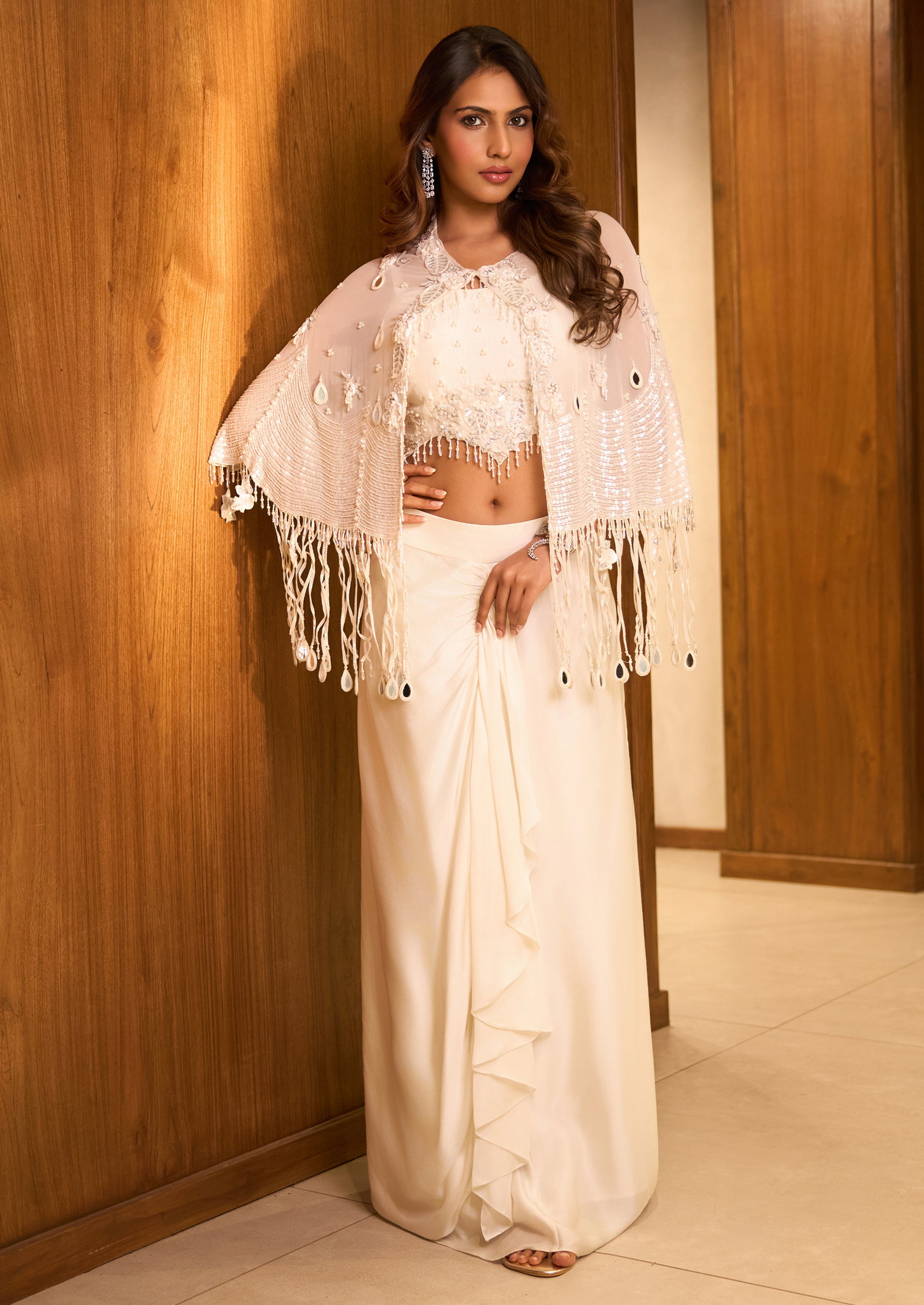
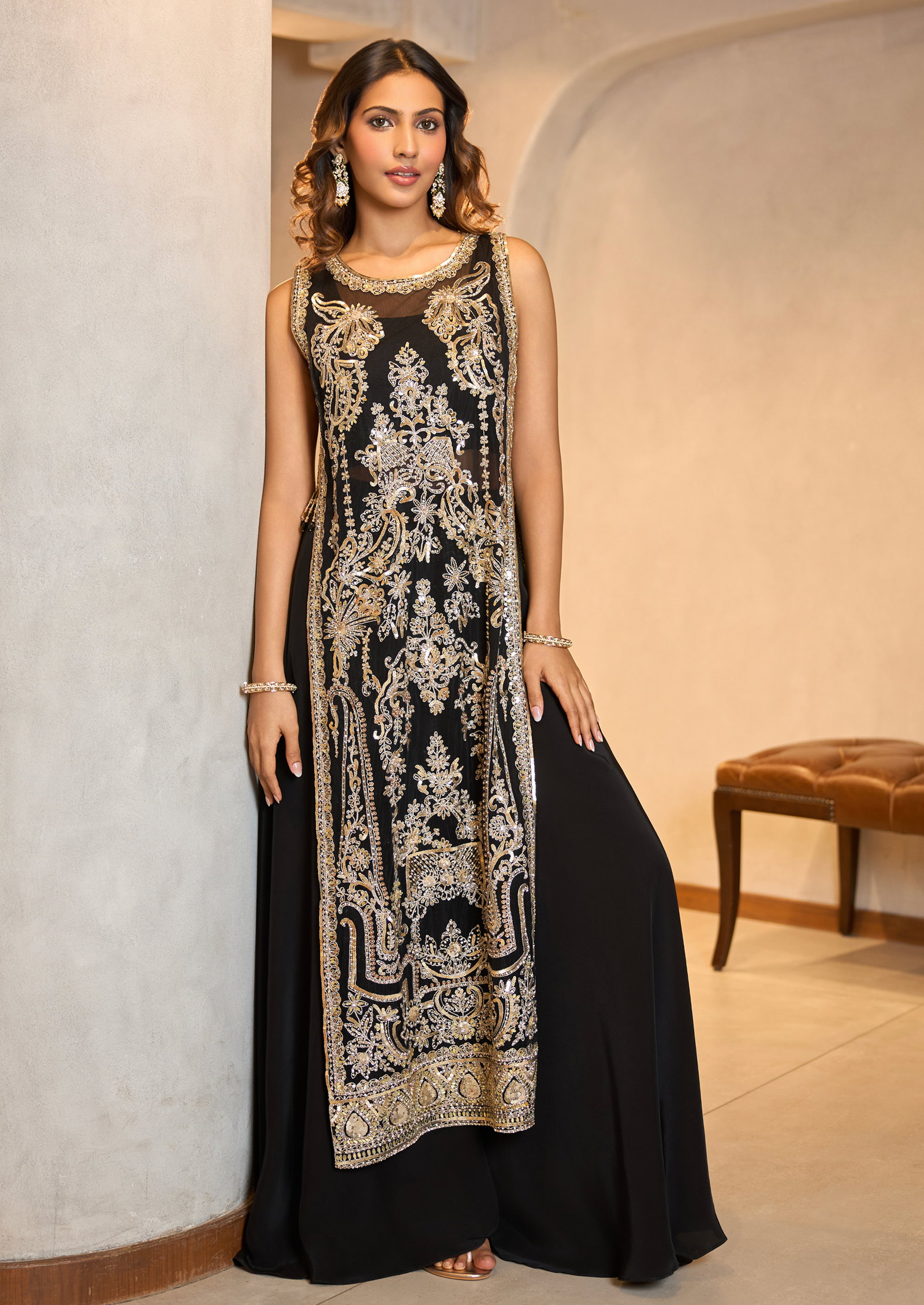
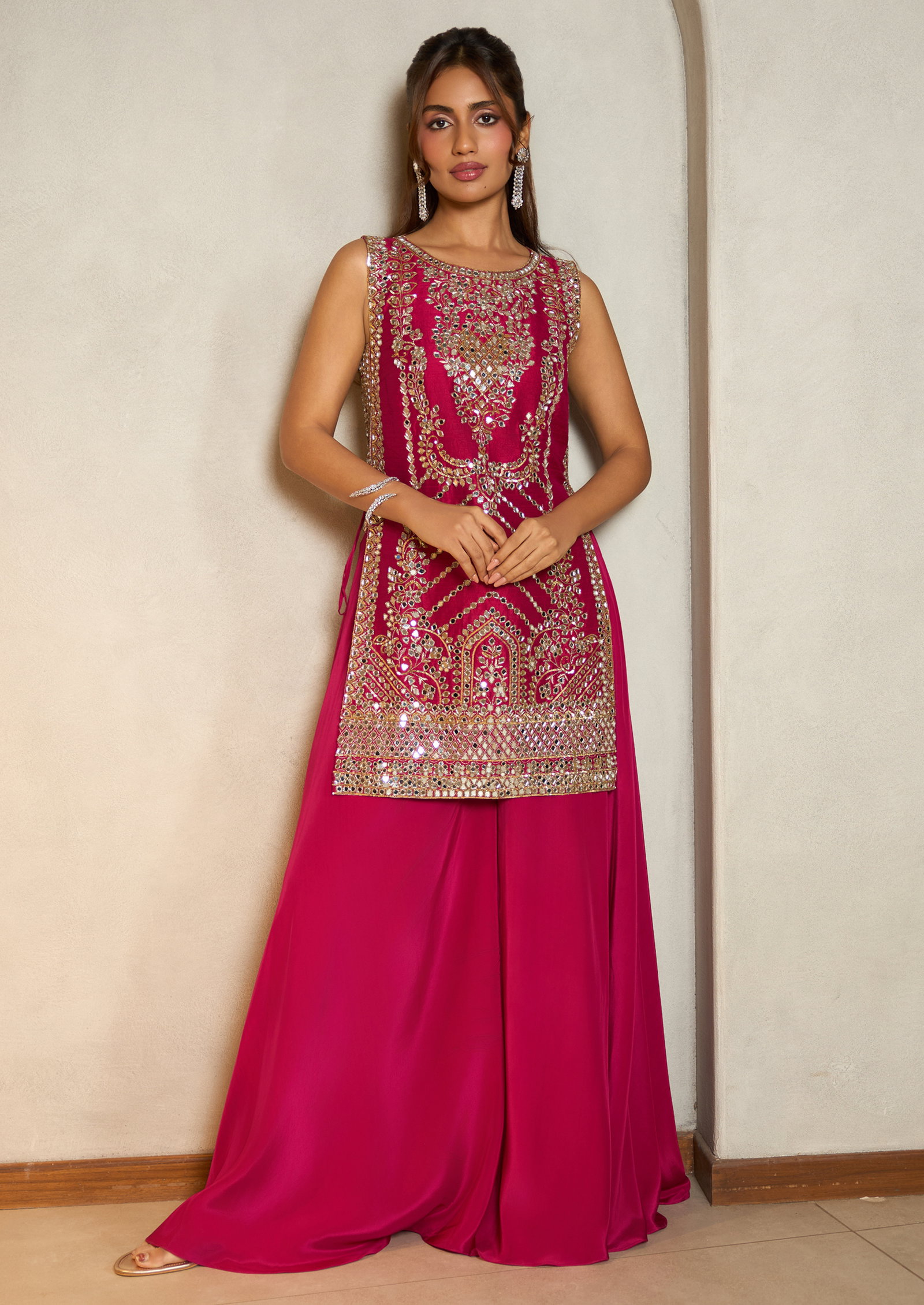
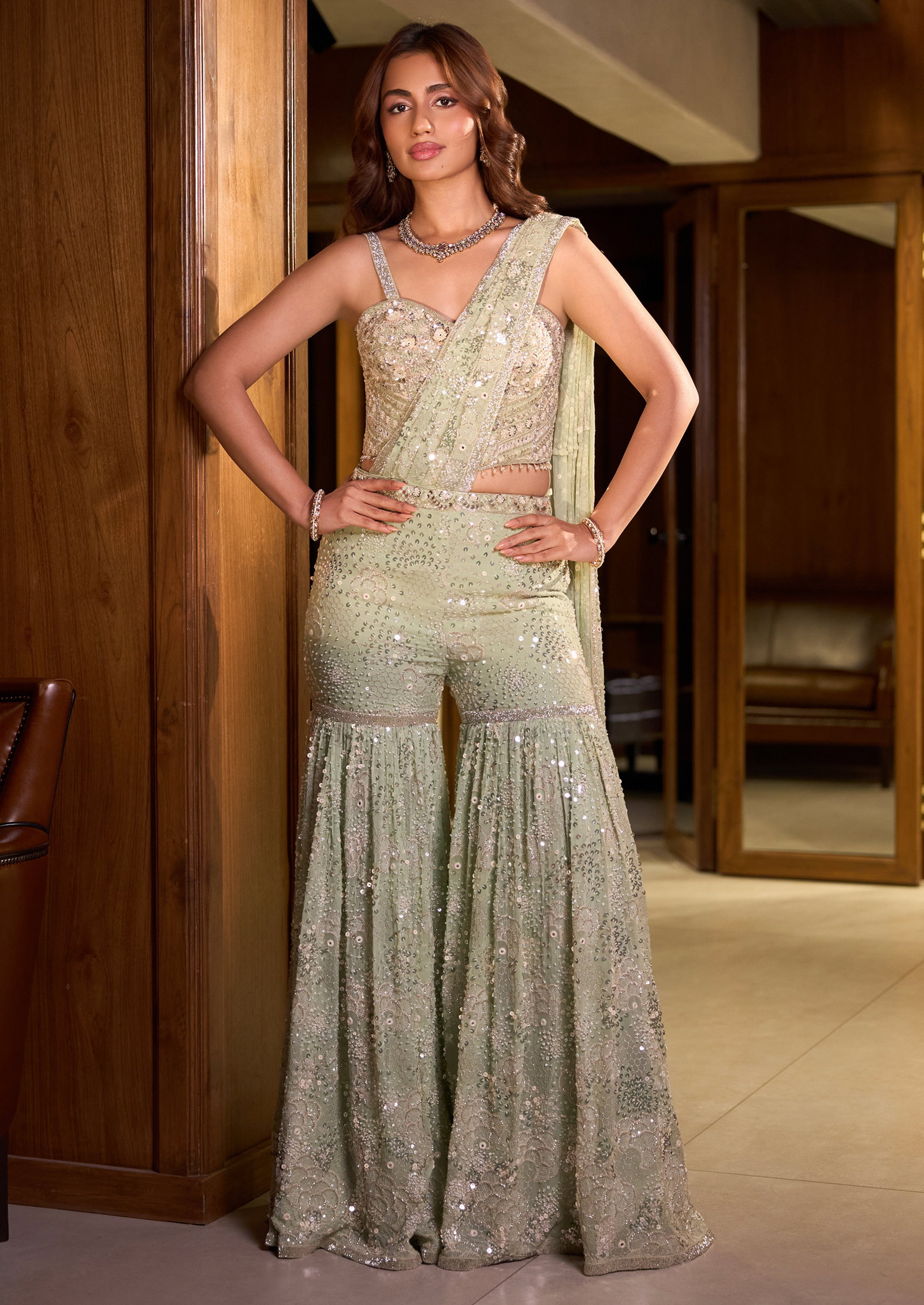
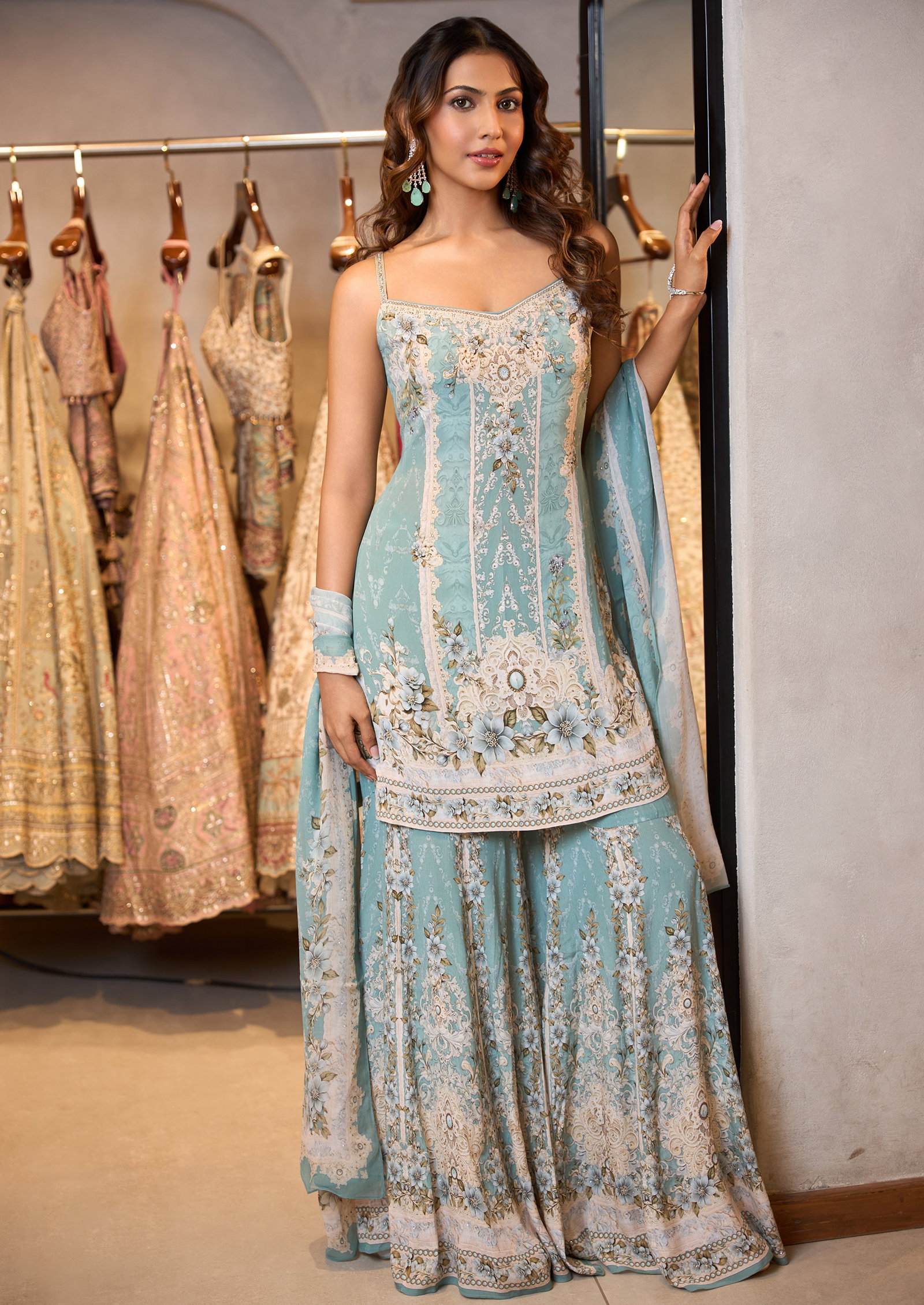
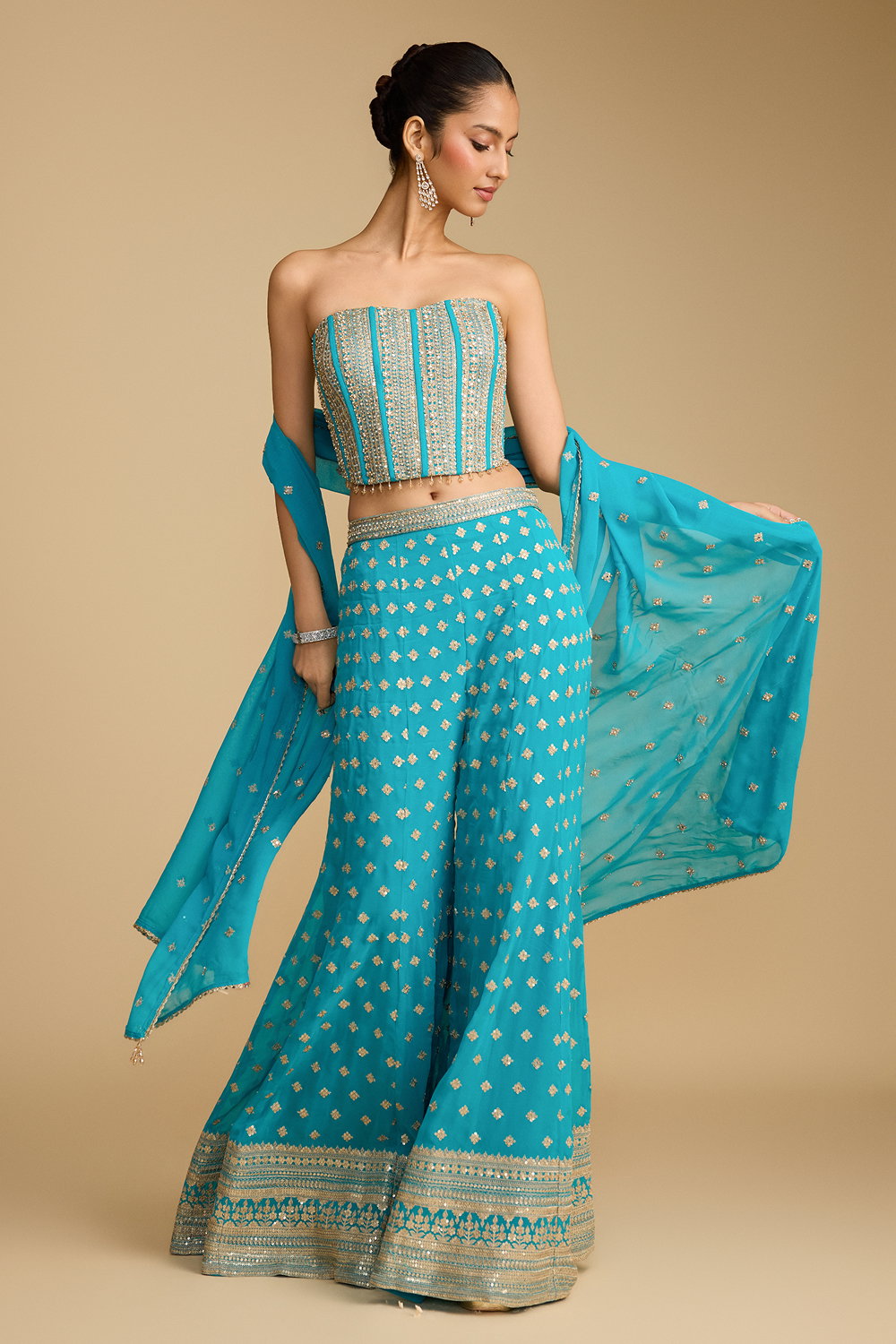
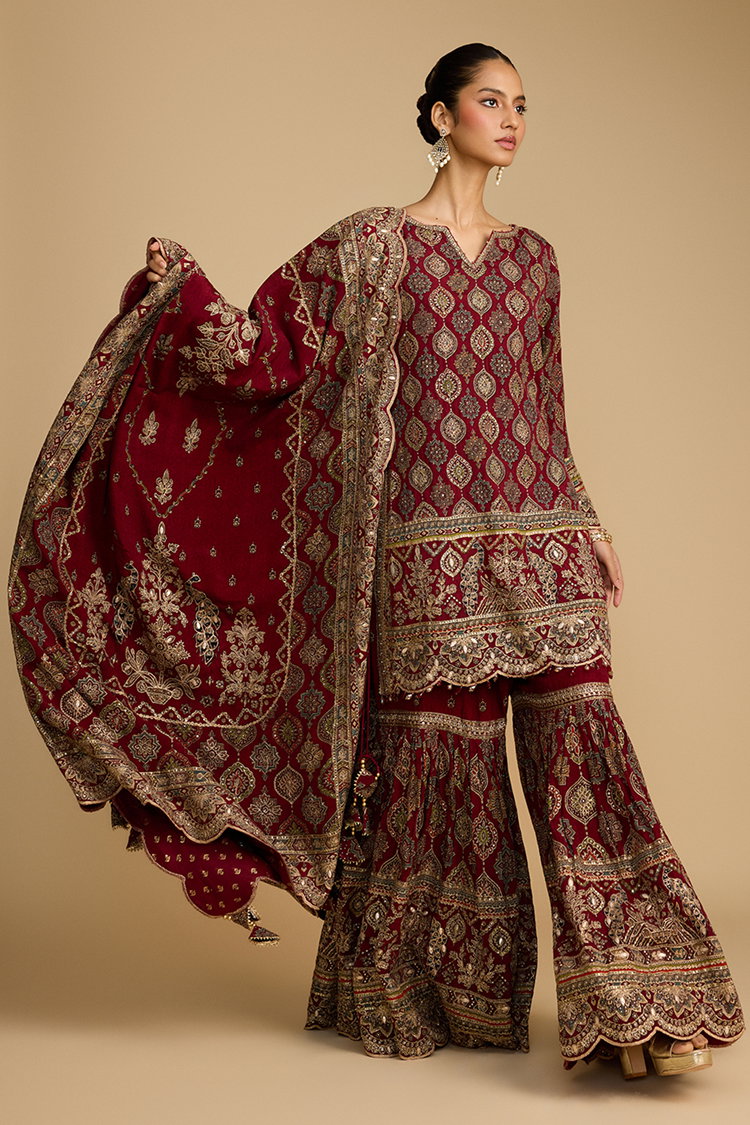
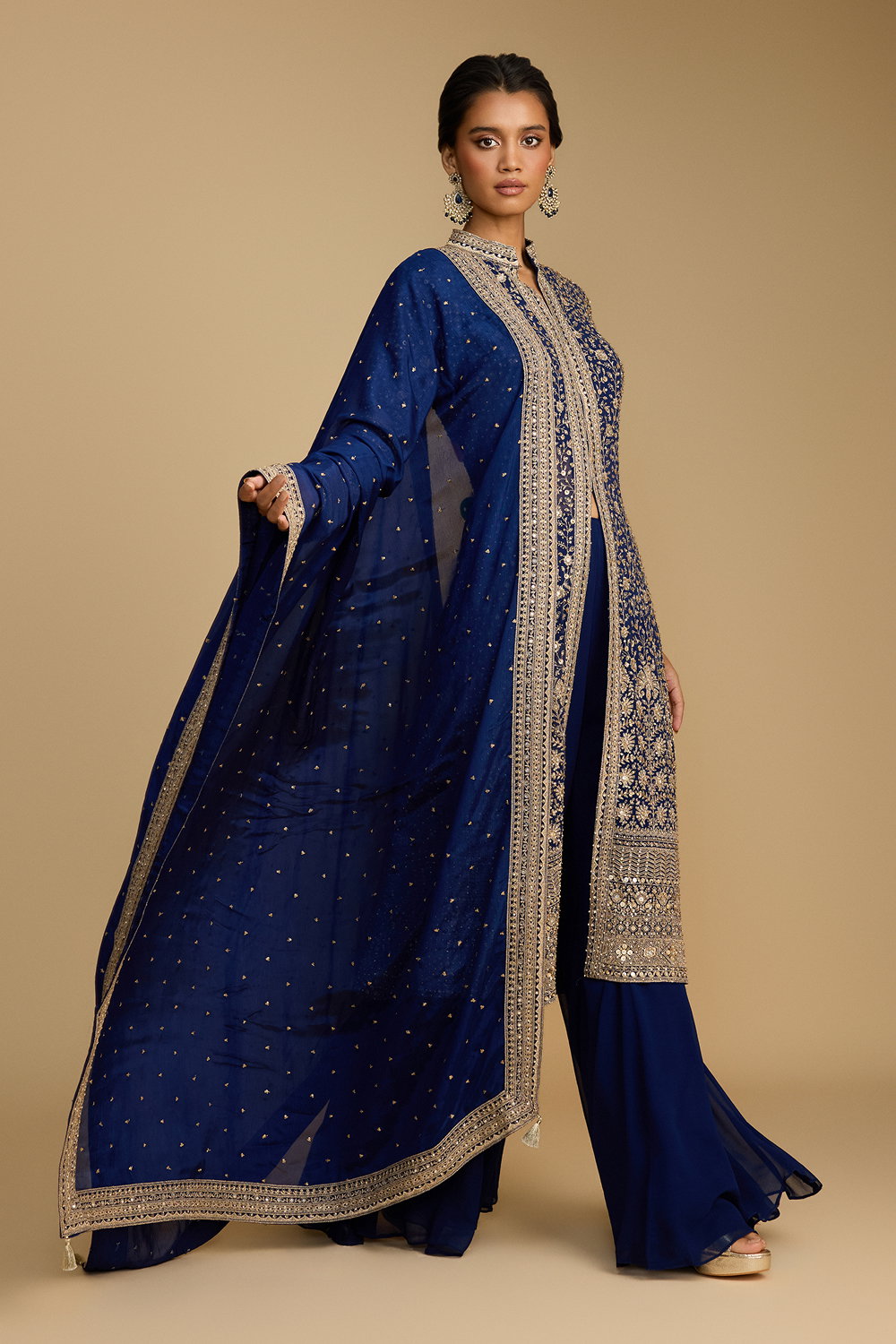
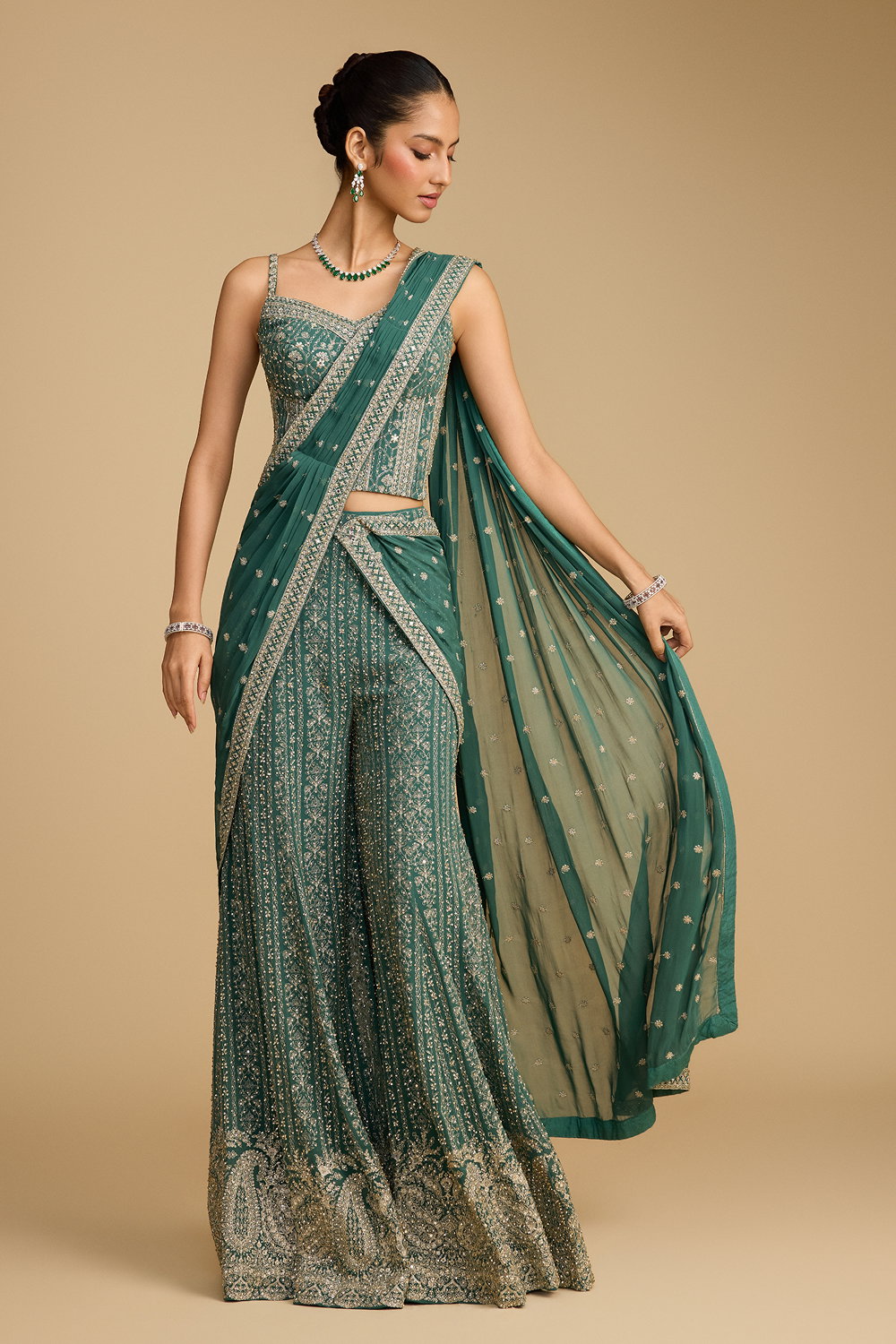
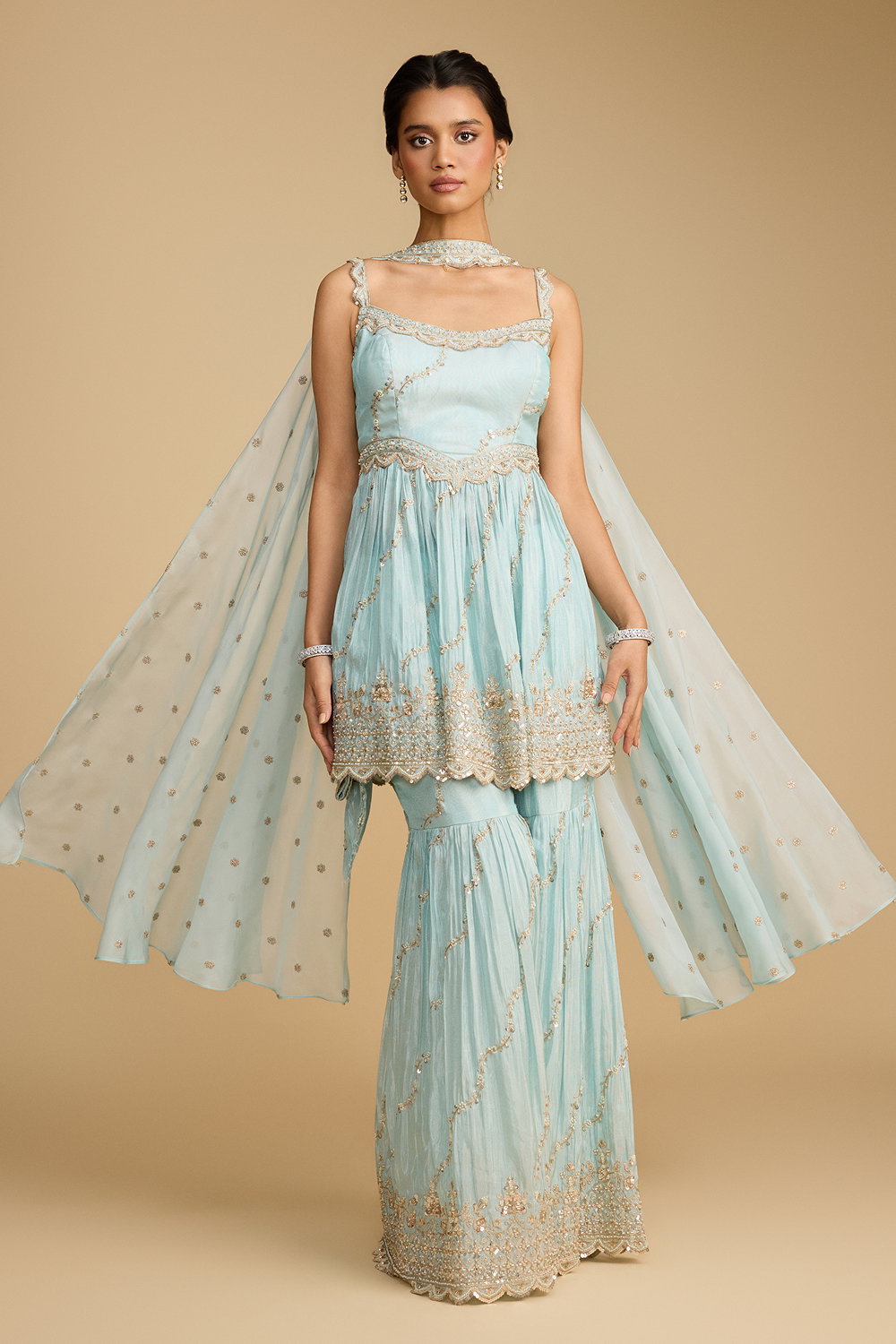
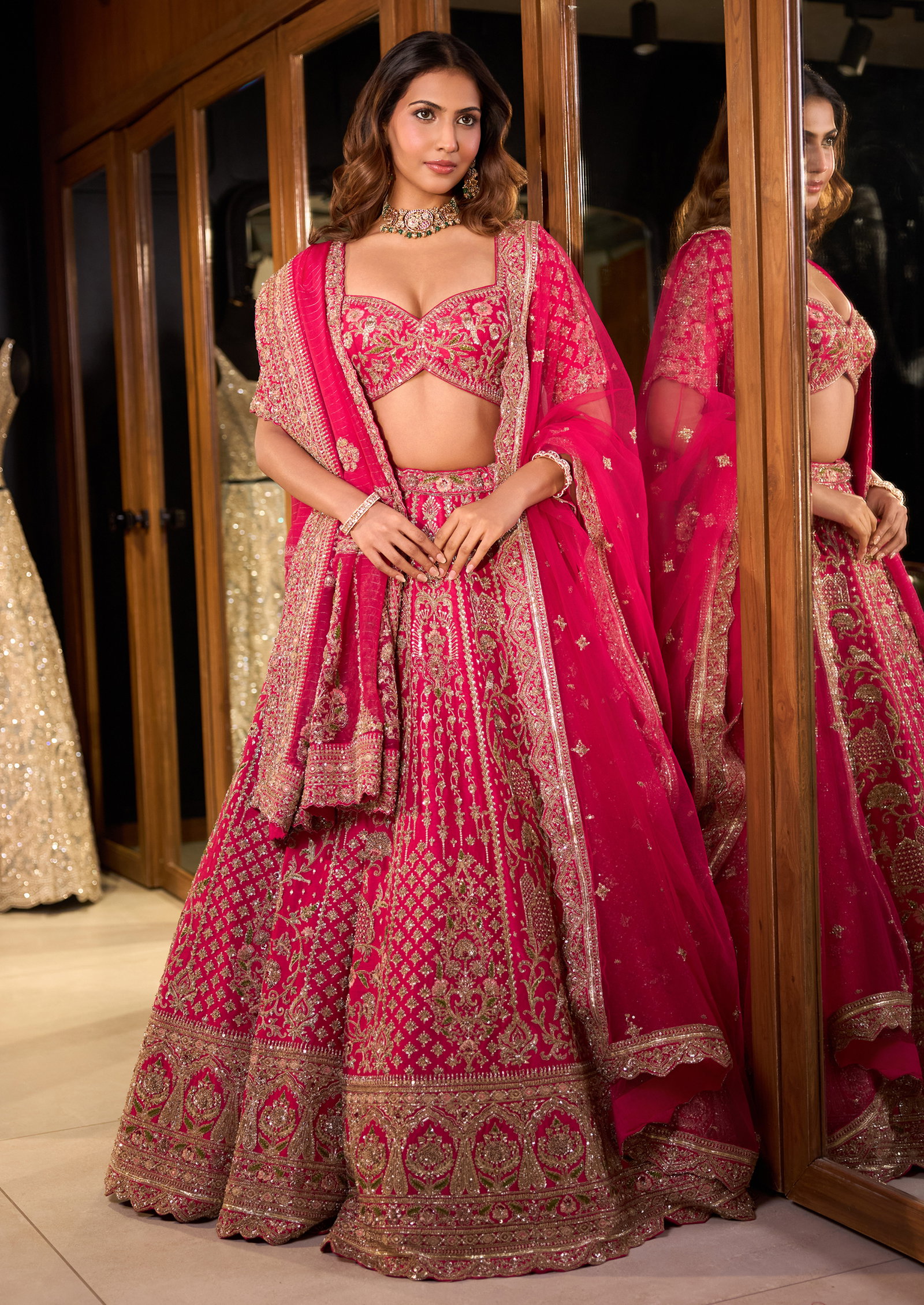
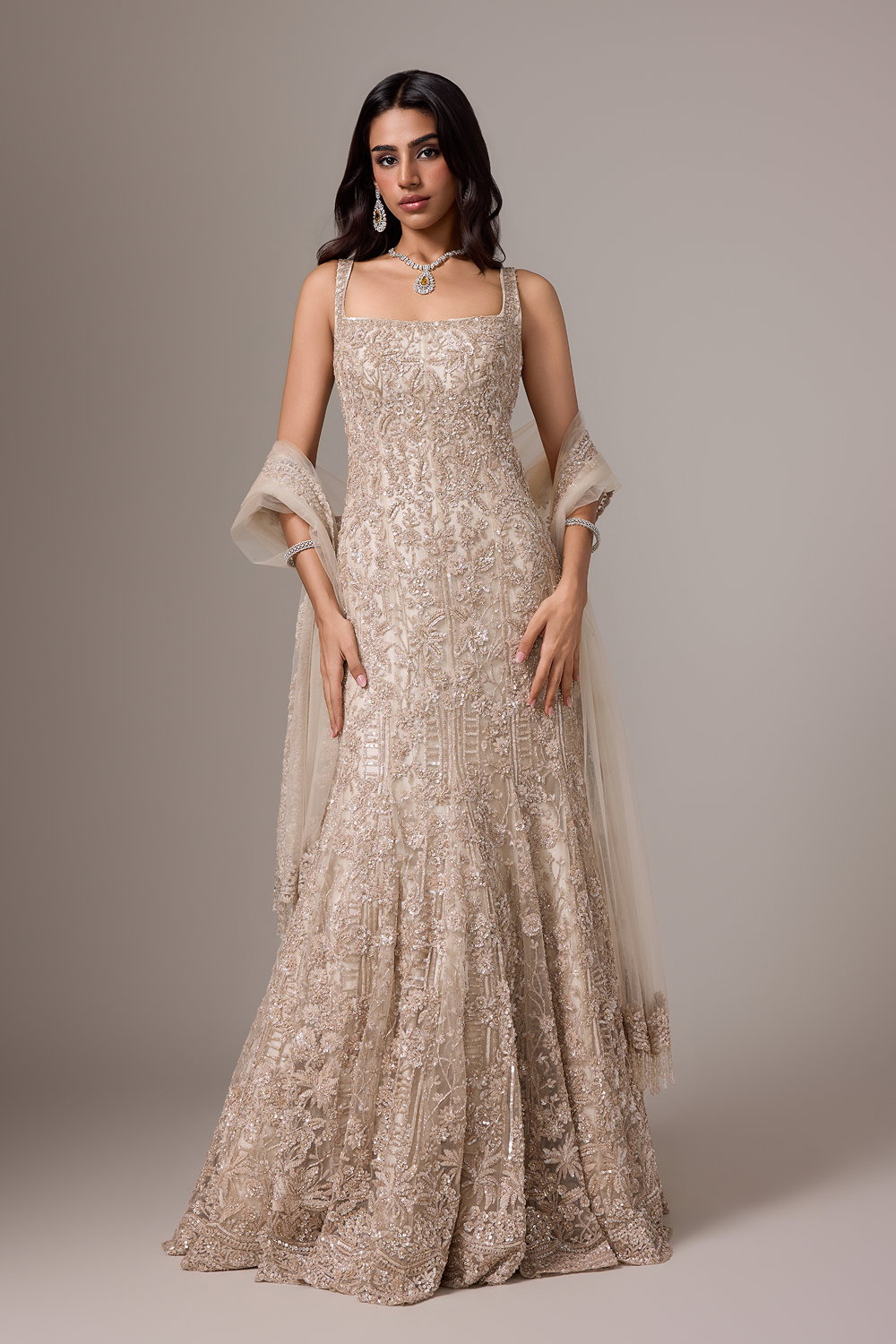
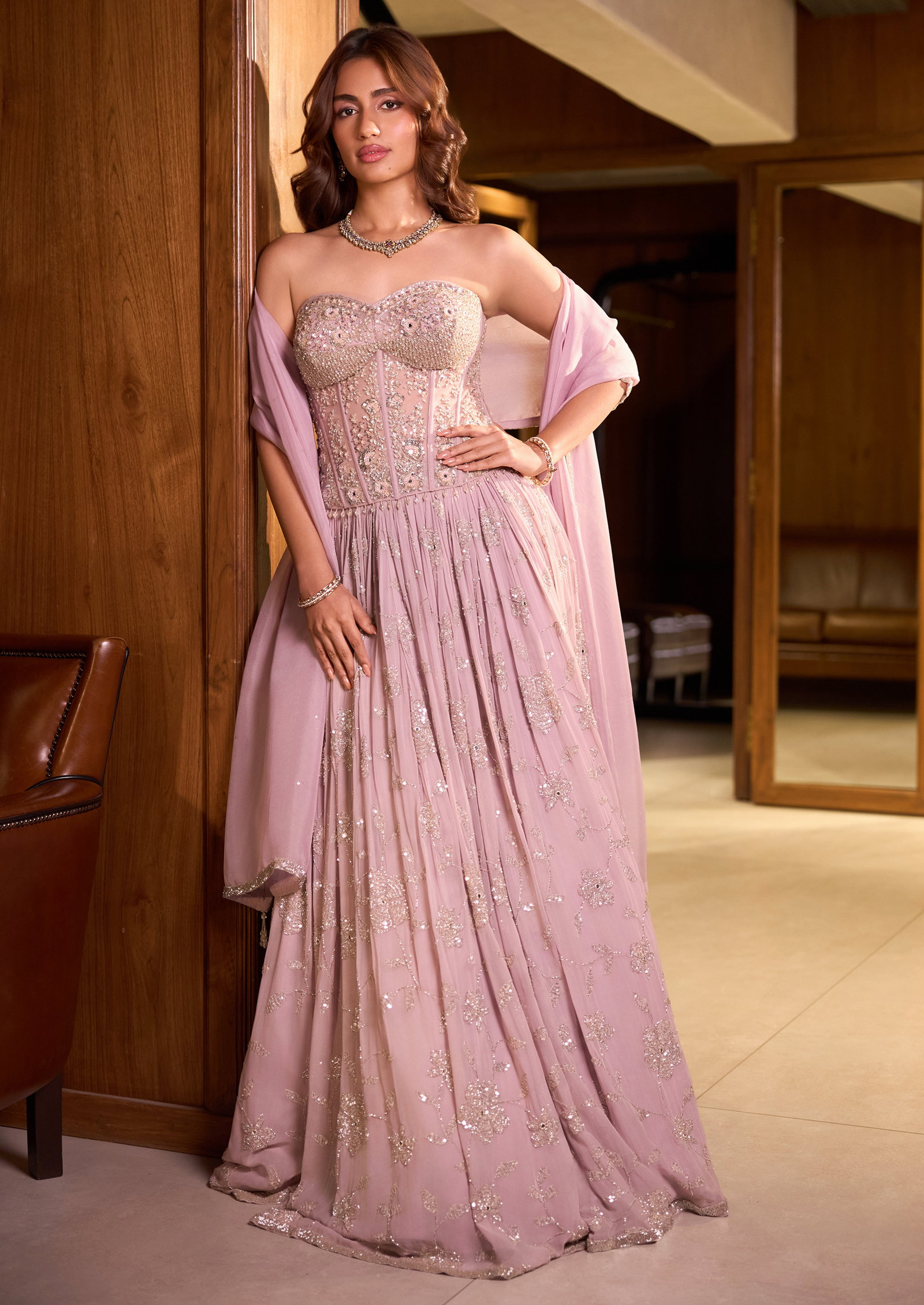
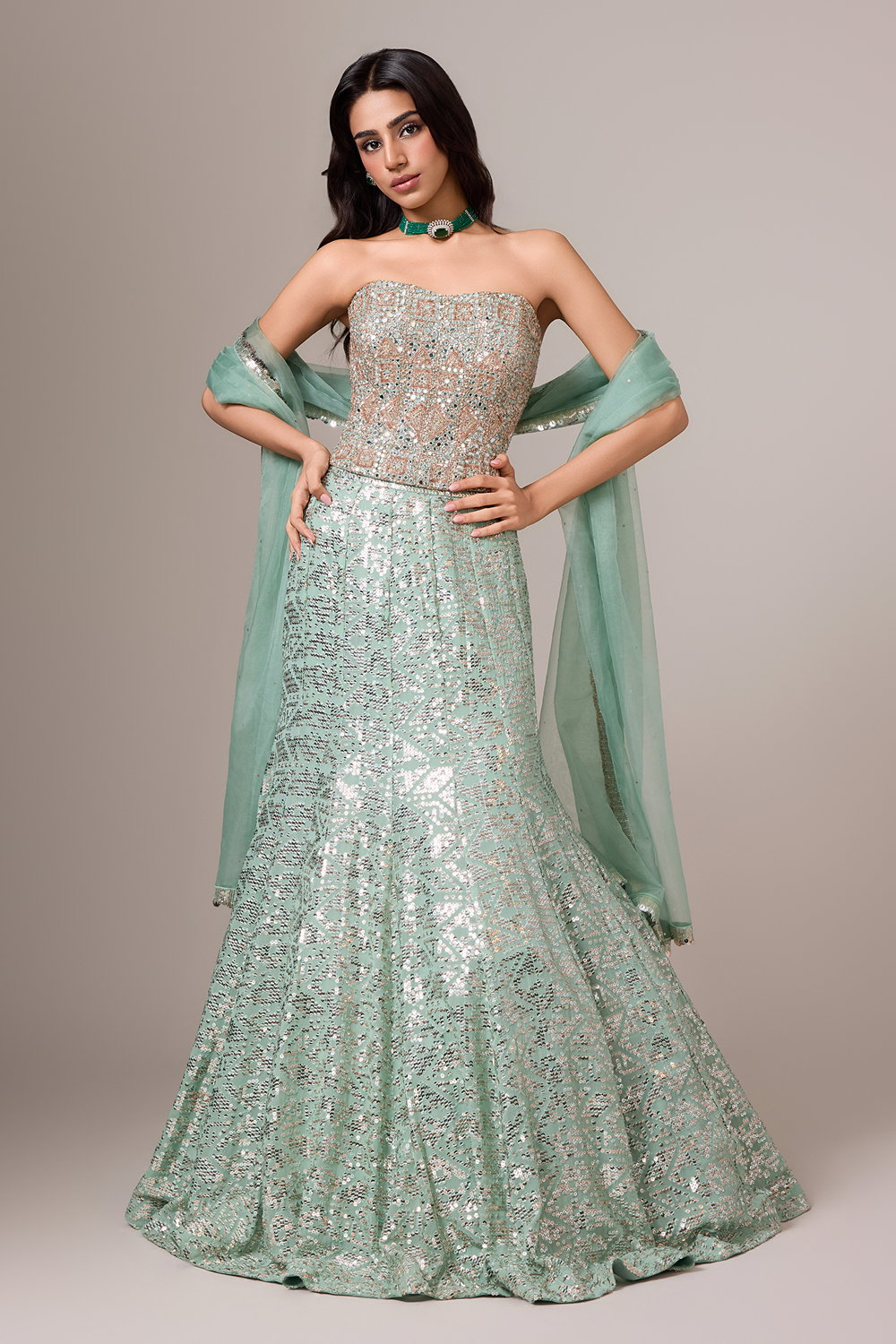
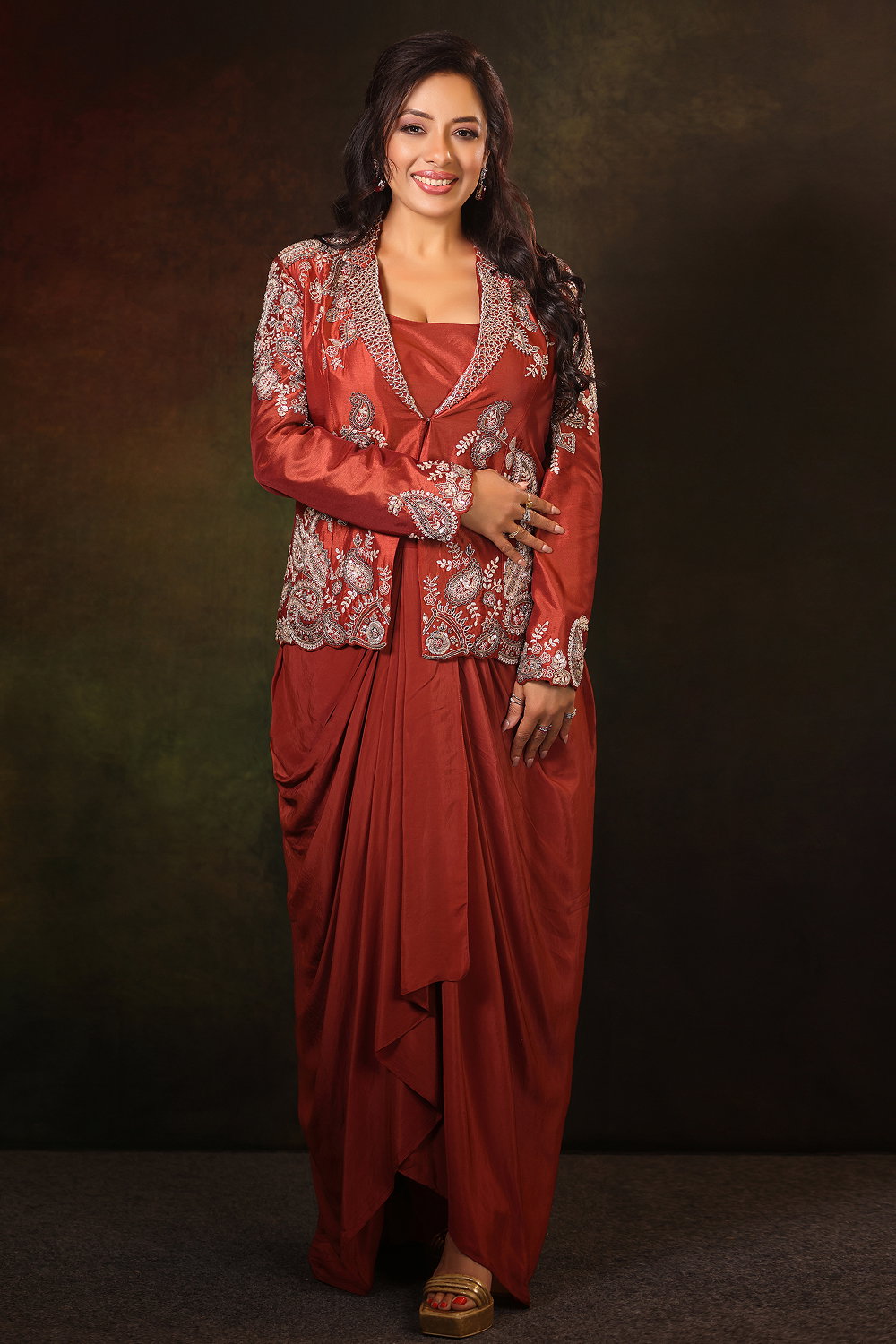
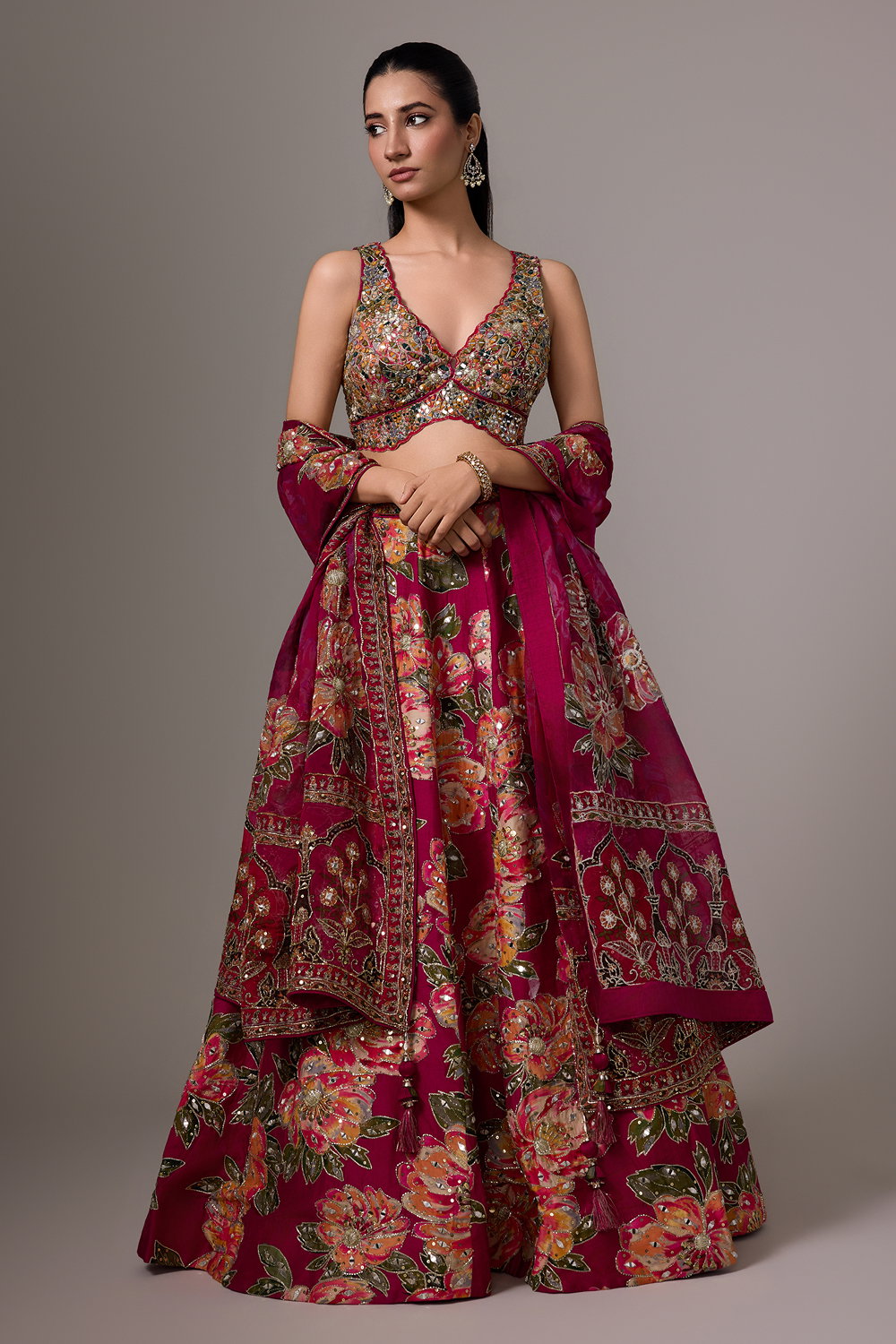
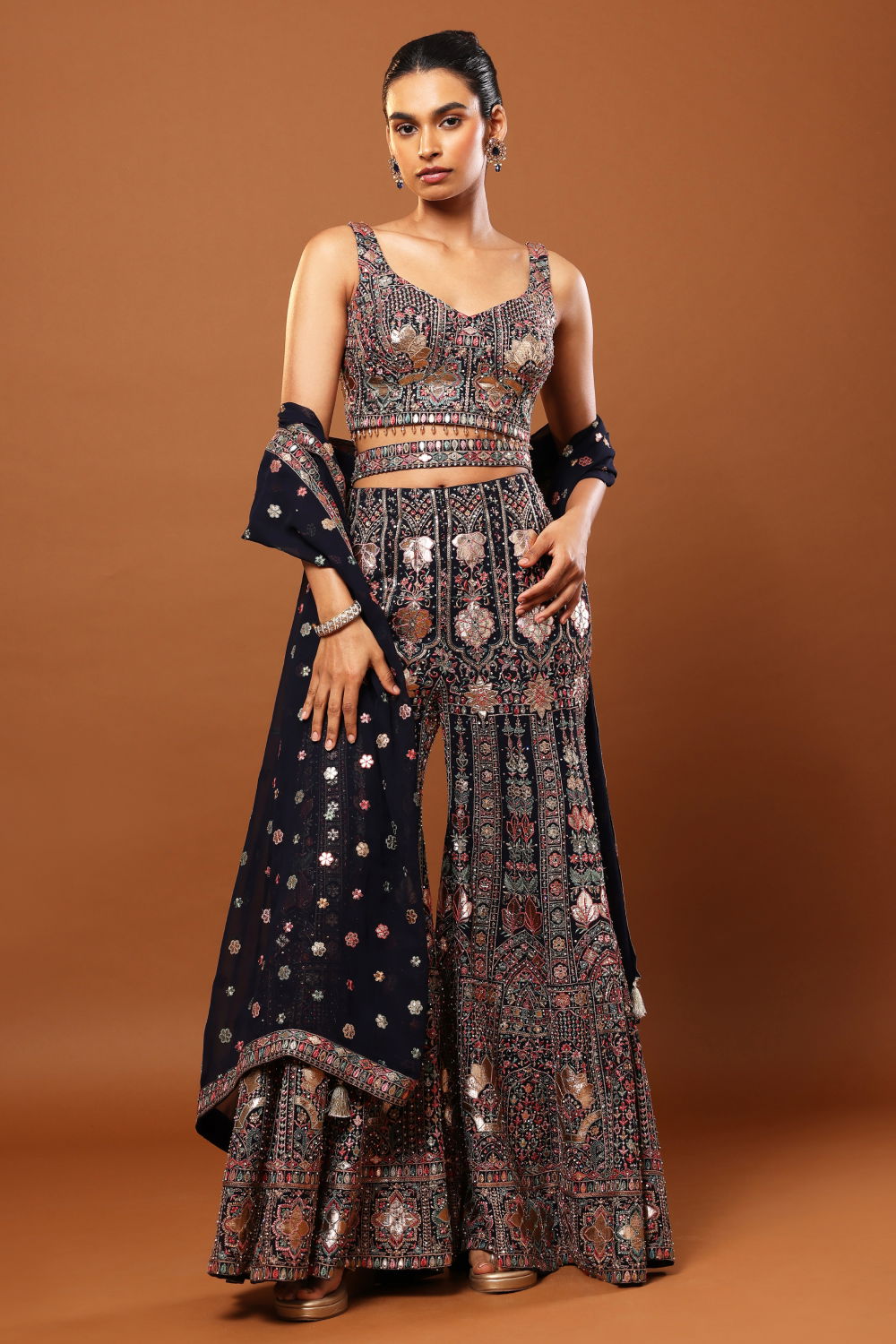
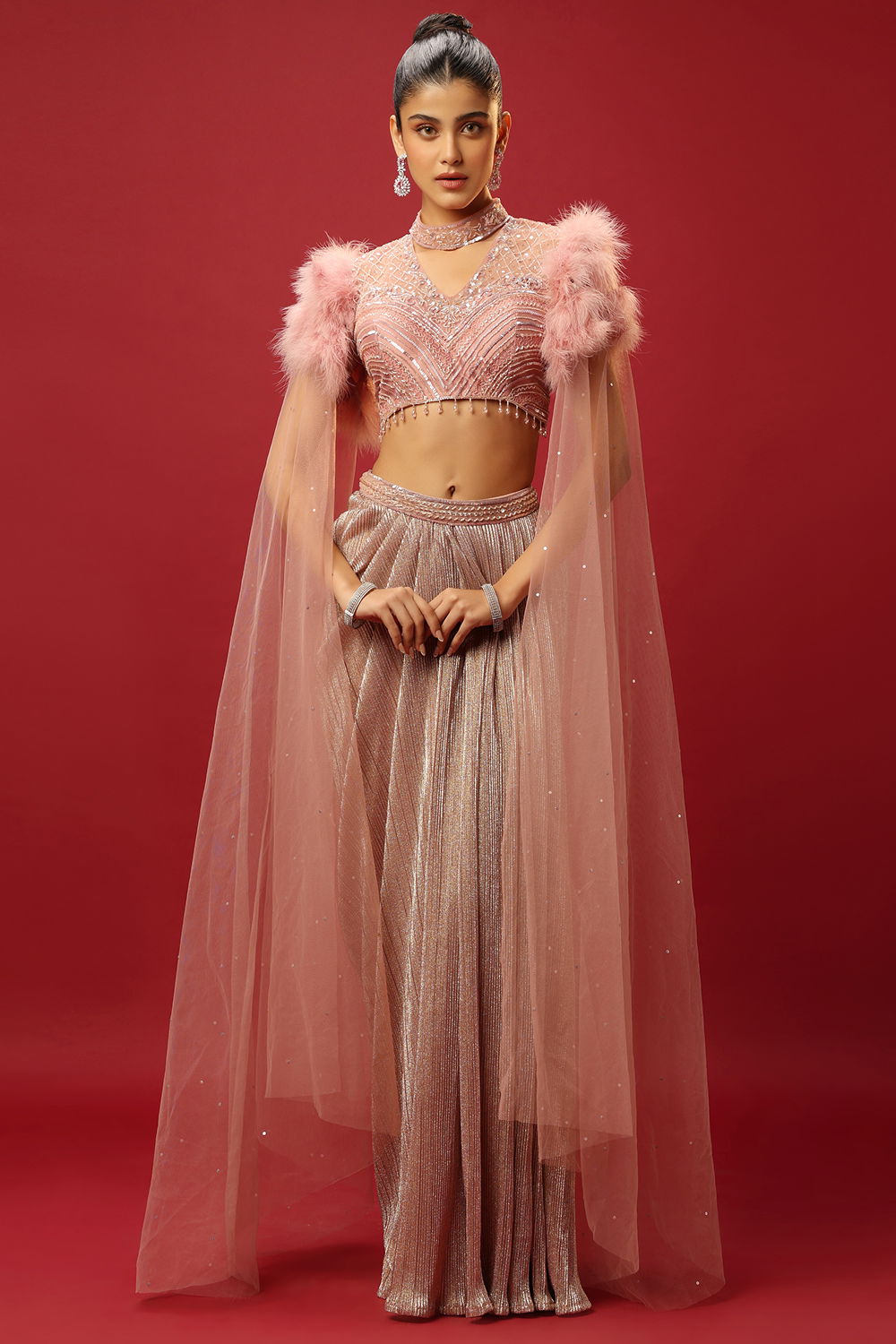
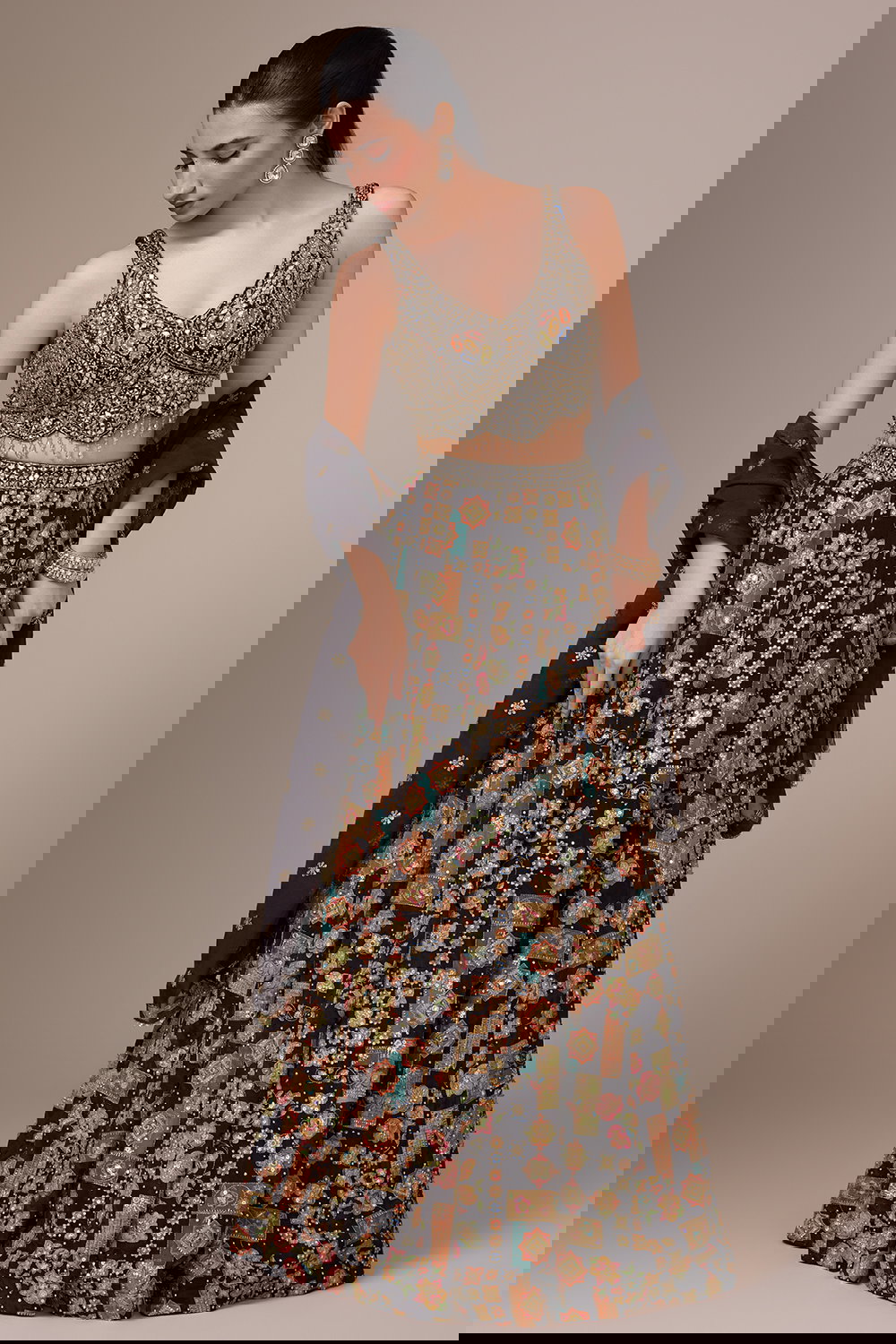
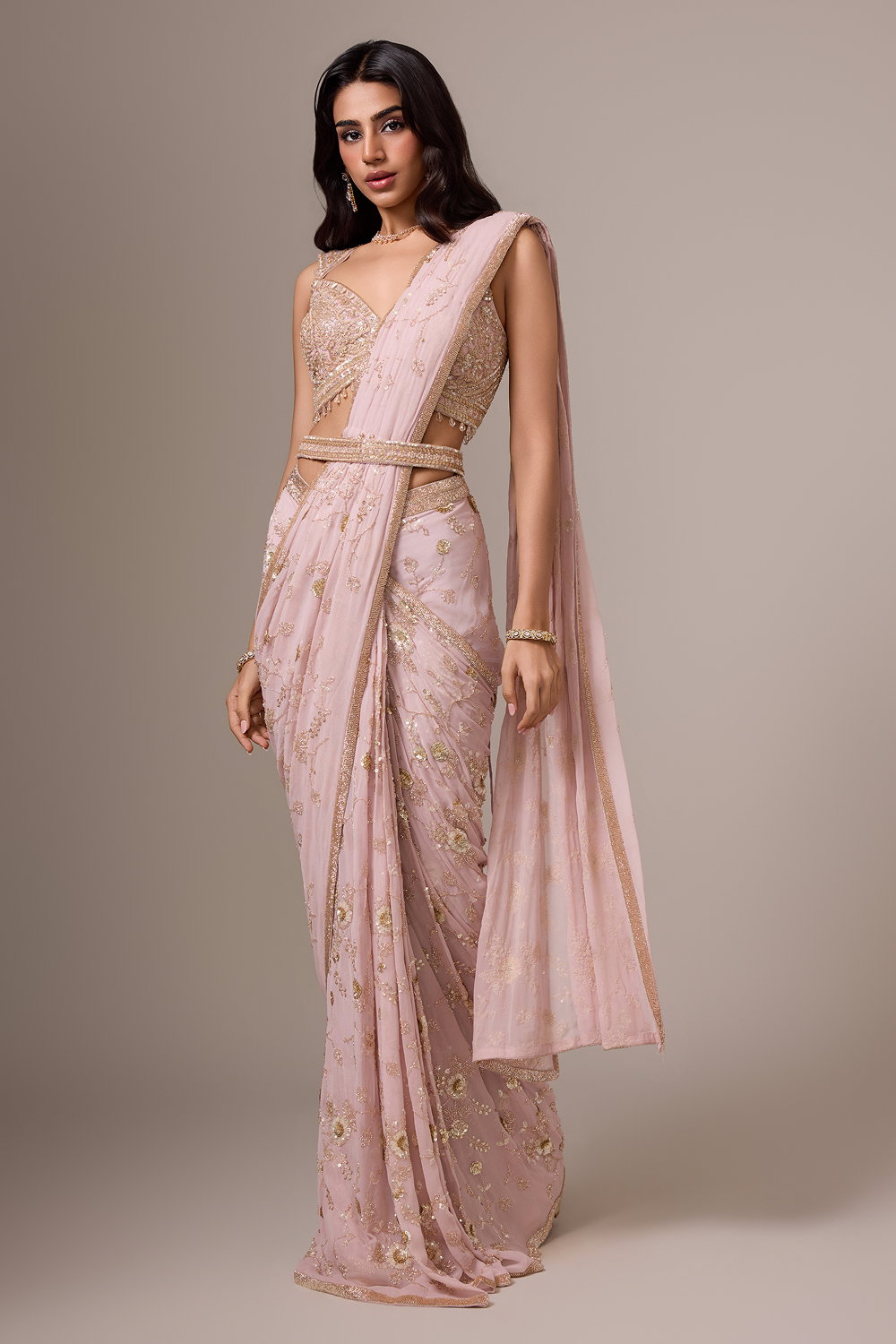
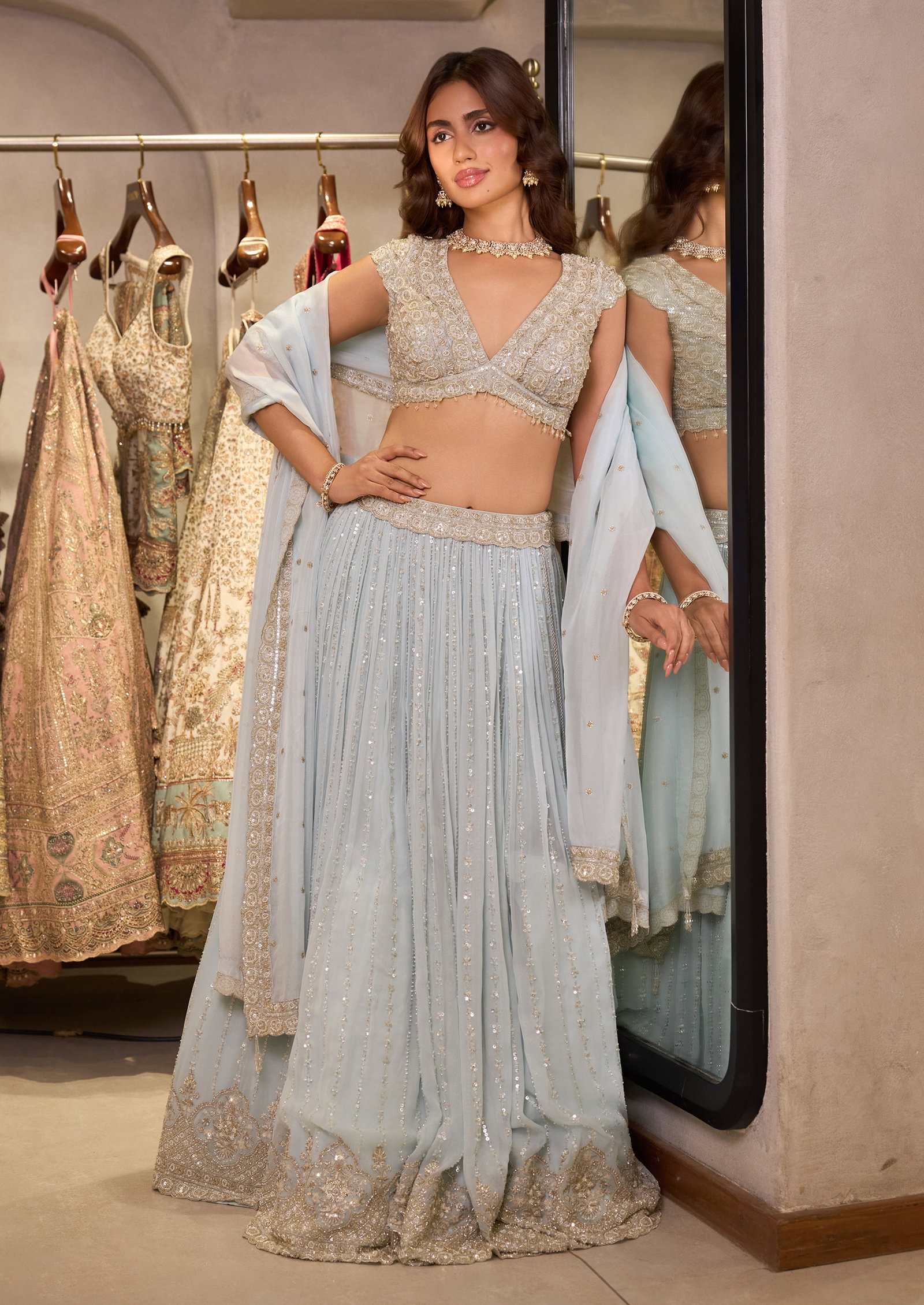
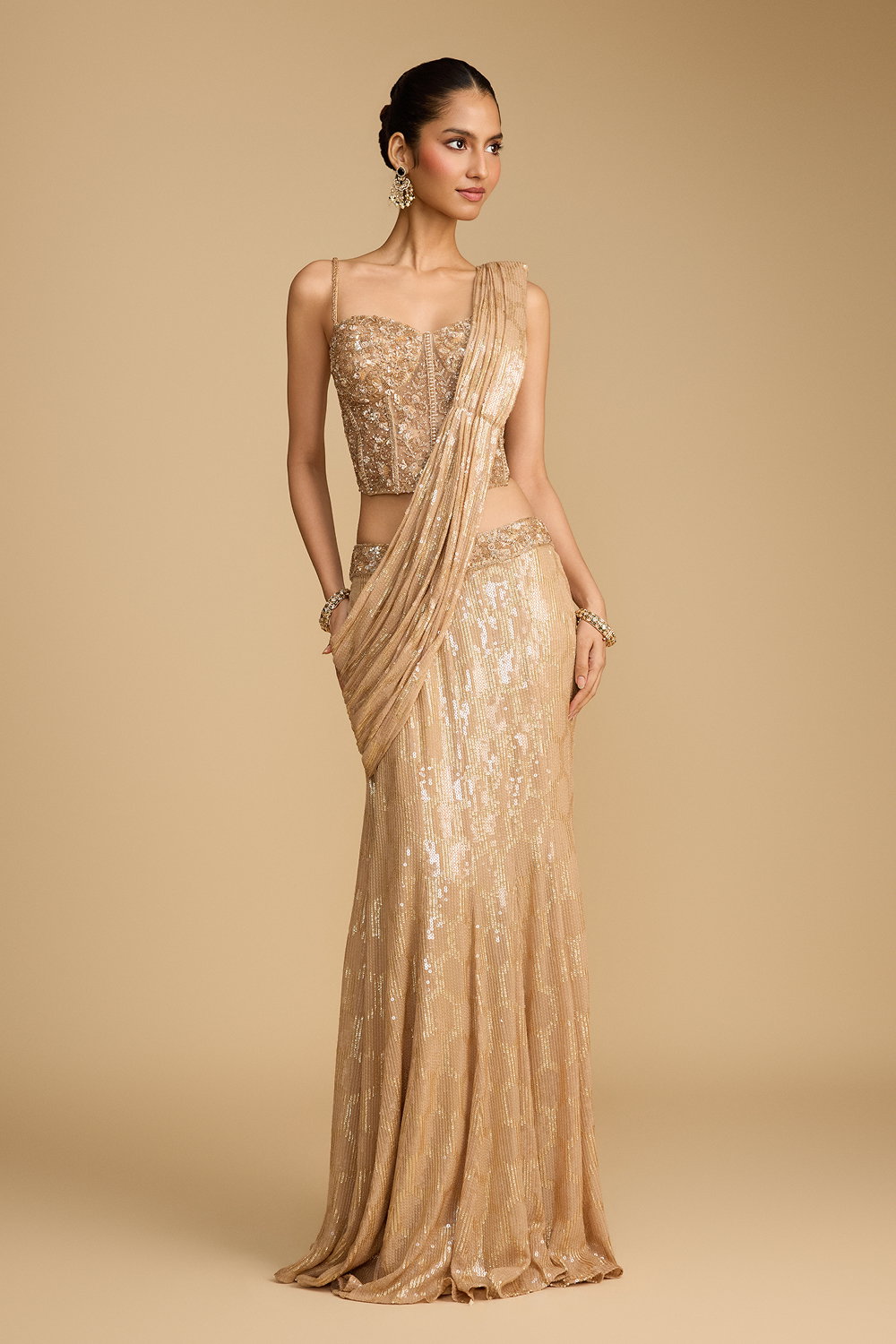
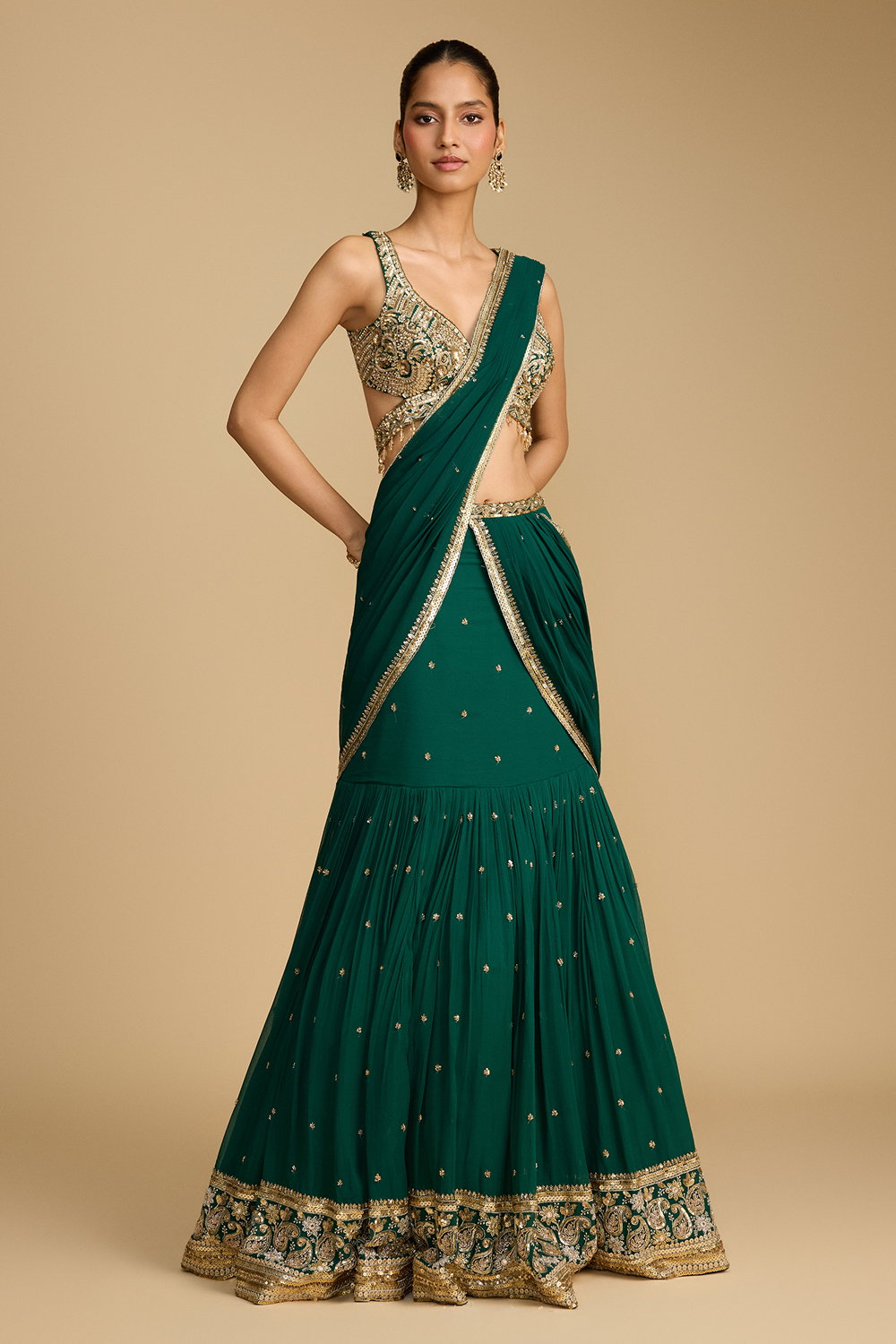
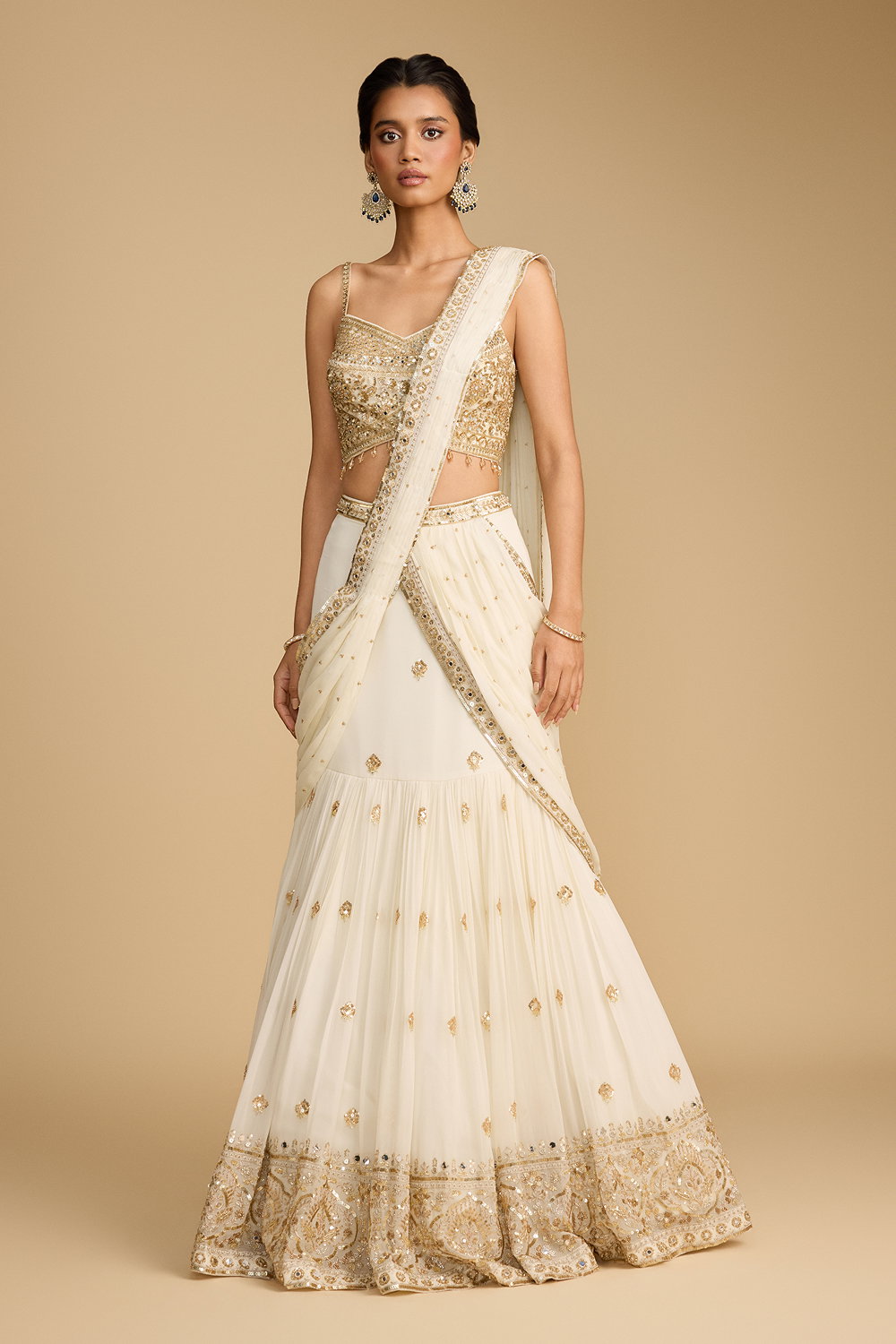
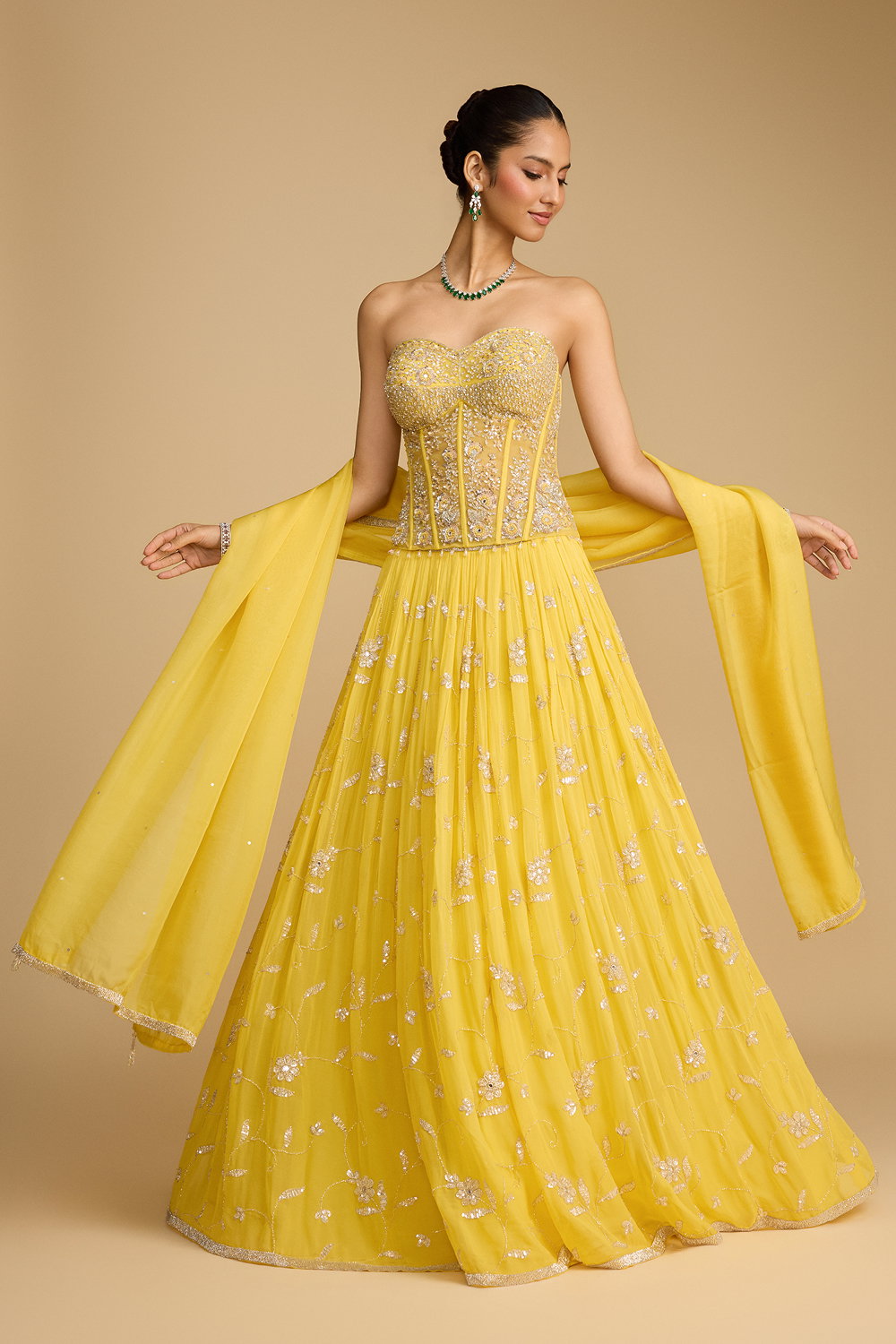
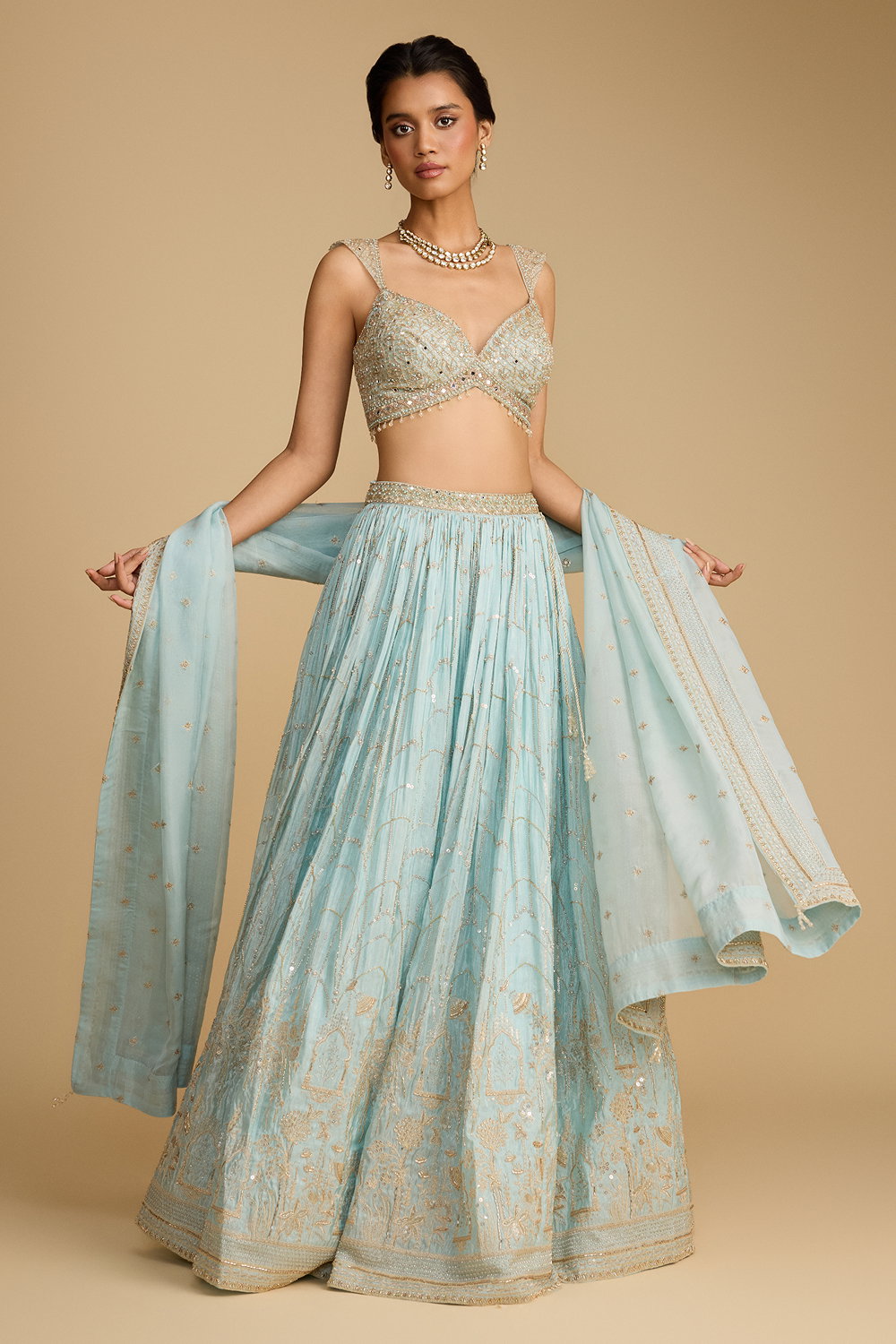
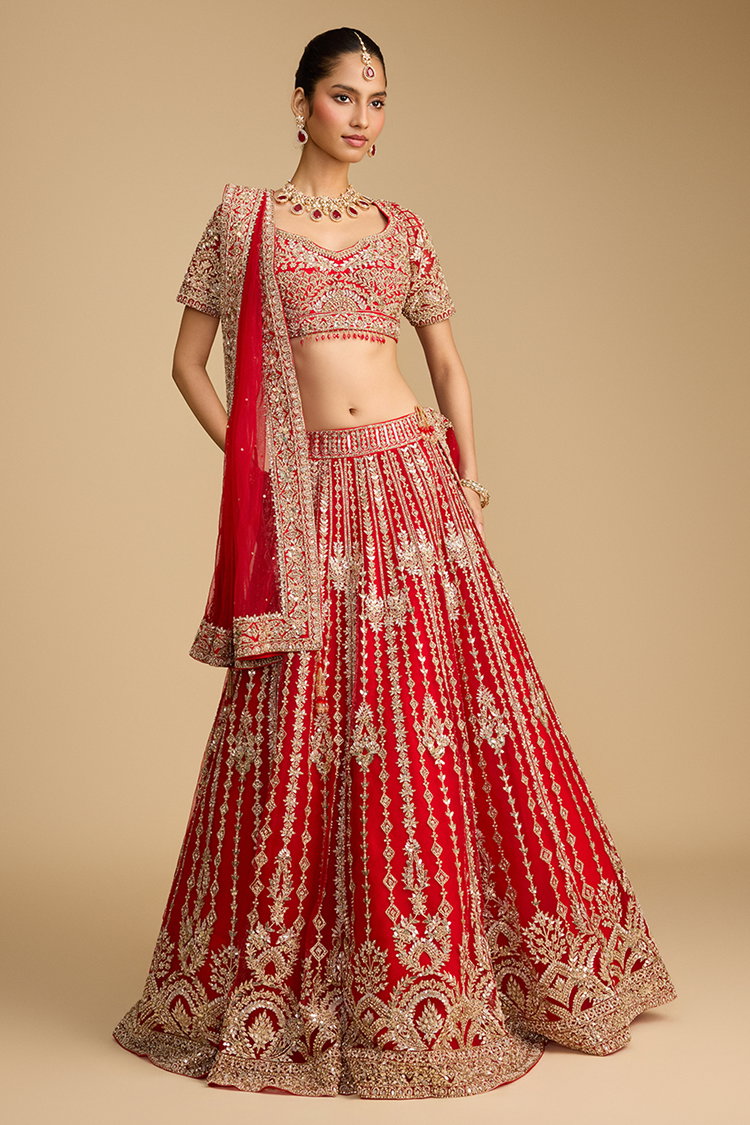
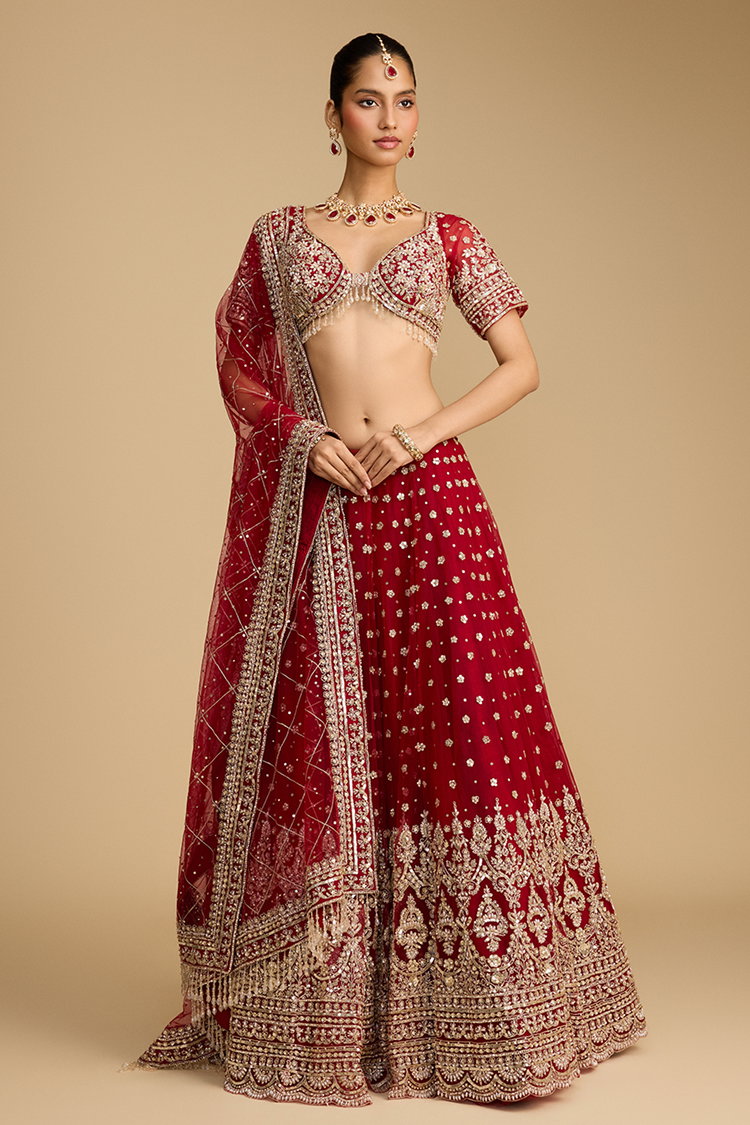
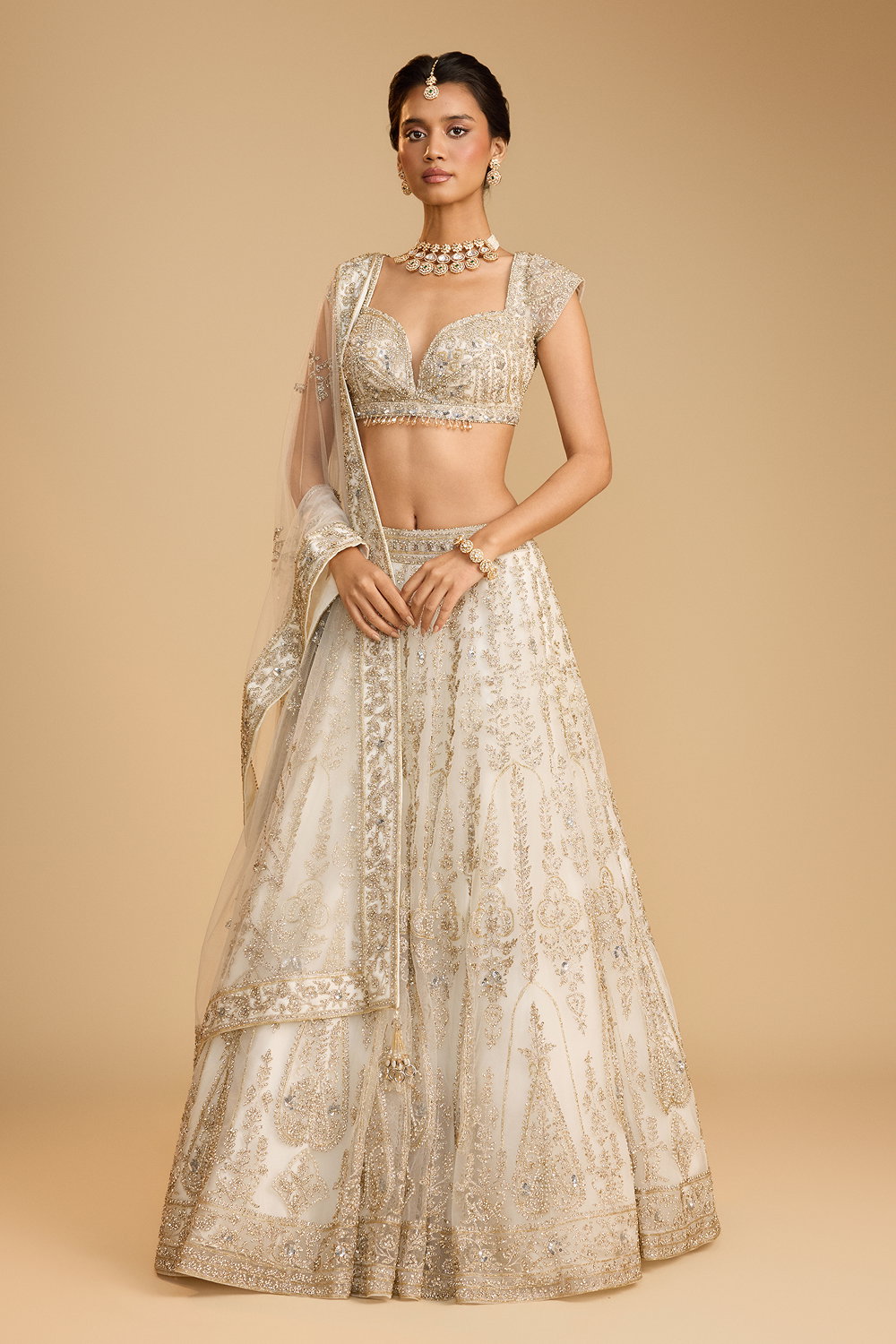
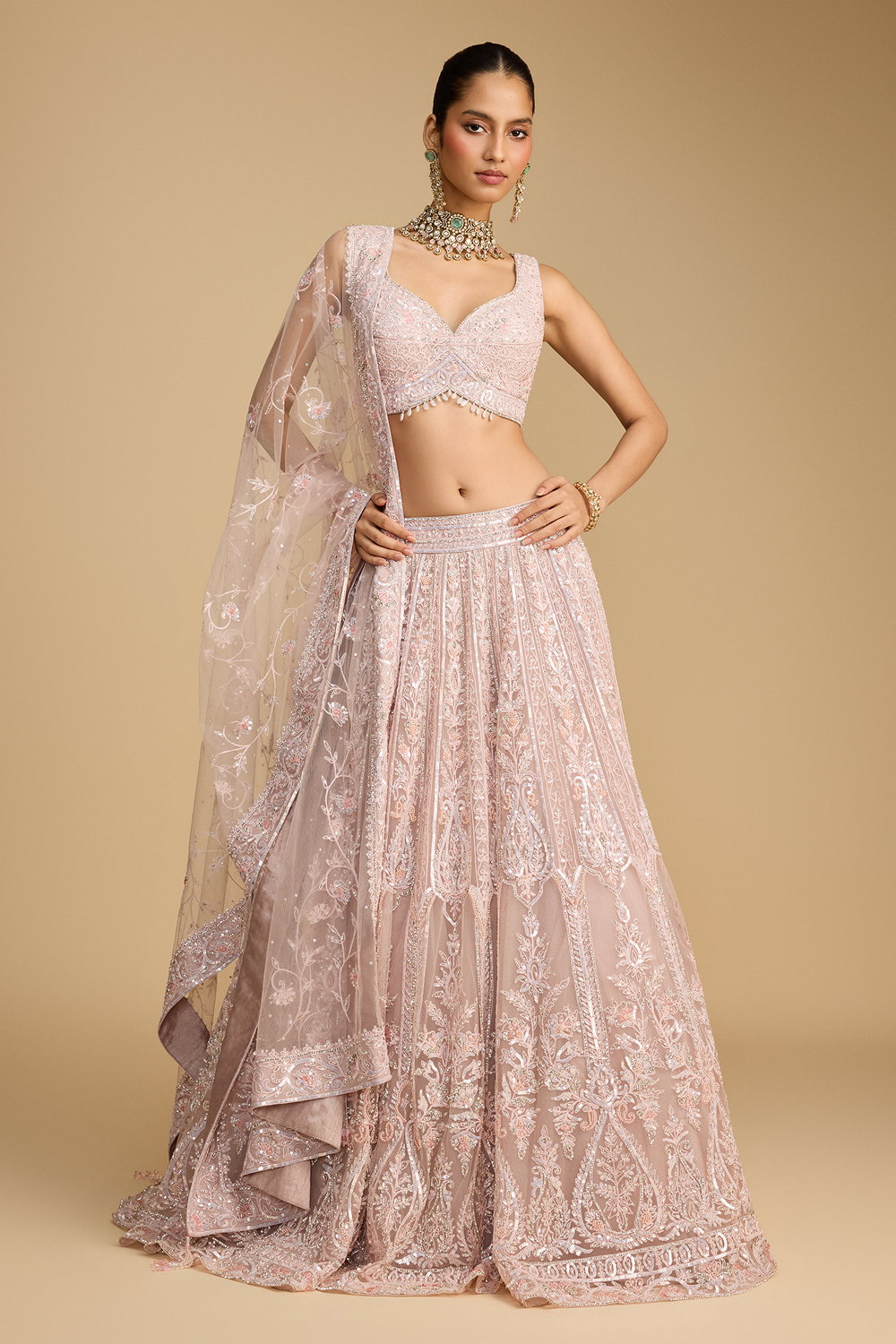
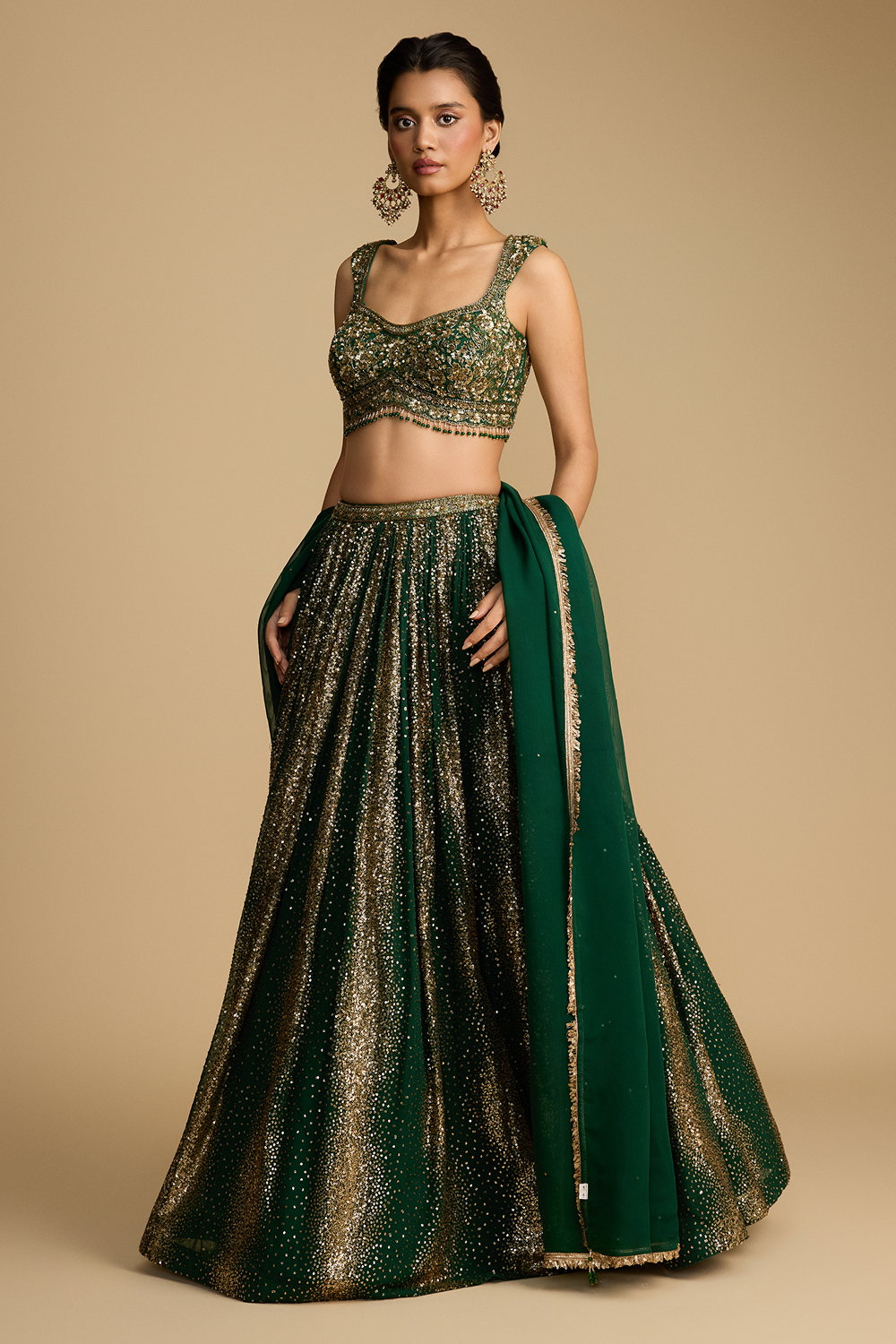
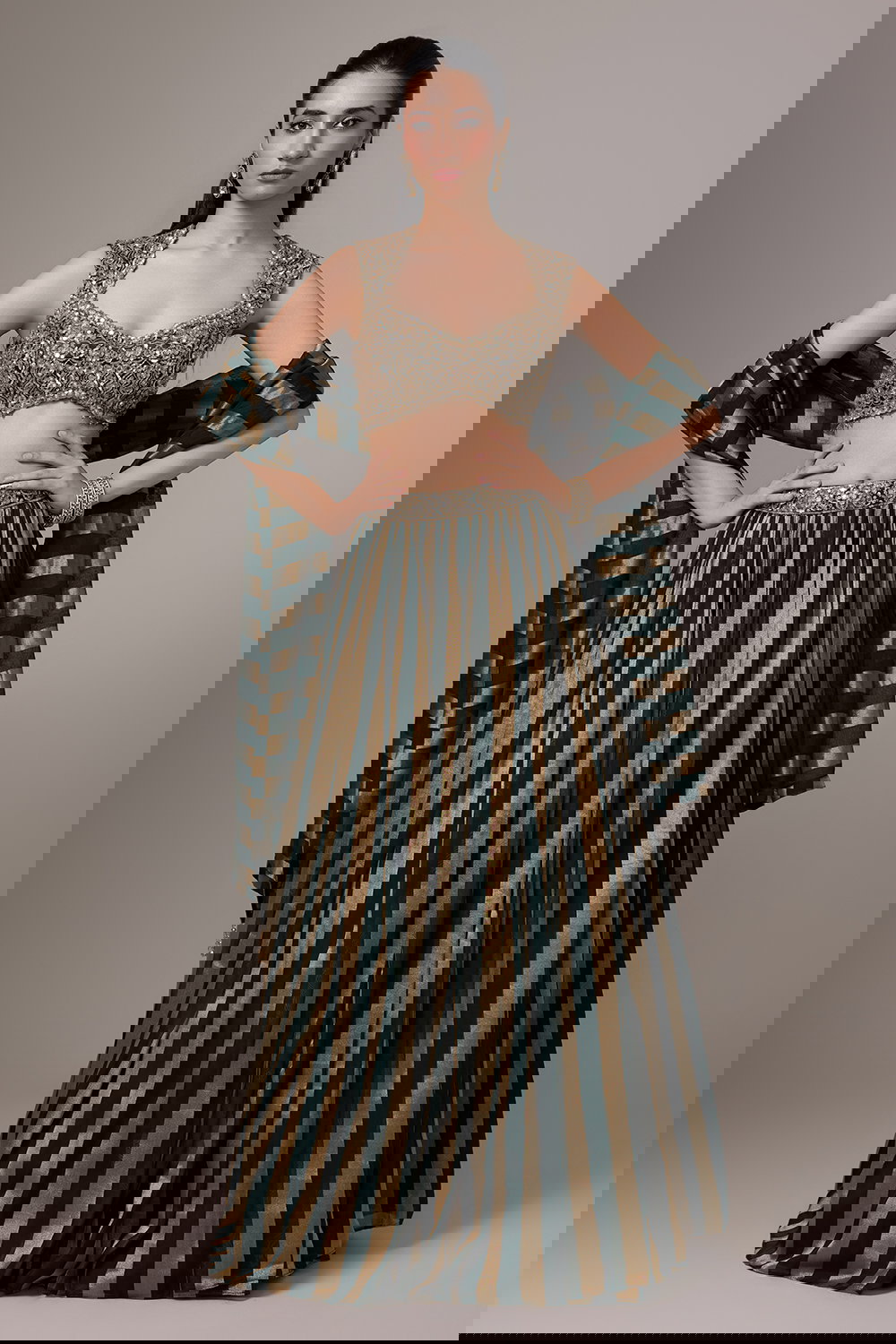
The bride usually dresses in a heavily embroidered "salwaar-kameez"
or "lehenga-chunni". The groom also gets dressed in
a brocade "achakan" (long coat) and "churidar pyjamas"
and usually wears a pink turban. The male members of
the family also wear pink turbans, in the presence of
their relatives. Now the groom is ready to go to the
marriage venue. The "barat" arrives at the bride's house
in a procession with music, singing, dancing, and sometimes
firing gunshots in the air as well and the male members
of the bride's family receive them.
The
Wedding Ceremony
A Sikh wedding always takes
place before noon. "Raagis" sing hymns prescribed for
morning worship and the "Diwar". When the morning hymns
are over, the couple is made to sit in front of the
"Granth Sahib". A priest first tells them the meaning
of marriage and the duties and responsibilities involved
in it. He reads the hymns of the marriage from the "Granth",
which are sung along. A slight variation from the Hindu
marriage ceremony is that in Sikh ceremony only four
pheras are taken by the groom and the bride round the
"Granth Sahib". At the end of the fourth round, people
shower flowers on them and they are declared husband
and wife. Then everybody present garlands and blesses
them.
Post
Wedding Ceremony
The bride leaves for her new
home after the marriage. She throws wheat grains over
her shoulders signifying that she is paying off her
debt of food to the parental home. This ritual is called
"doli". The doli is received by the groom's mother.
A vessel containing wheat grains is placed on the door.
Then the bride kicks the vessel full of wheat grain
and enters the house denoting that now her food is in
the new home and that her entry brings prosperity and
abundance. She then steps into the house and is welcomed
by the relatives, friends, and neighbors. Each one feeds
her ladoos and gives her Mukh Dekhai (money to behold
her). It is usual for the groom and his mother to gift
her some jewellery as the Mukh Dekhai. The day after
the wedding, the couple goes to the bride's parental
home and is given presents and a welcome feast.
|