|
Pre
Marriage Ceremony
Adan Pradan
"Adan pradan" symbolises the
Bengali system of a wedding alliance. After the bride
and groom approve each other, parents, grandparents
and elderly uncles or aunts of both families sit together,
and fix up a date for engagement after consulting pundits.
Engagement
Engagement ceremony takes
place a day or two before the actual wedding and can
be conducted in the presence of a purohit, at the house
of either the groom or the bride. The bride is given
a sari, a ring and some other ornaments and presents.
The -groom is presented with a ring, gold buttons, a
watch and other presents. The bride/ groom take blessings
of the elders.
Vridhi
Ceremony
In the vridhi ceremony, "puja"
is offered to the ancestors. This ceremony is performed
in the bride's and groom's houses separately, usually
in the morning, by a purohit, a day before marriage.
Usually a paternal uncle performs the vridhi.
Dodhi Mangal
This ceremony is also held
in both the houses on the wedding day. It is performed
at the crack of dawn, before sunrise. Eight to ten married
women accompany the couple to a nearby pond. There's
they invite the Goddess Ganga to the wedding and bring
back a pitcher of water from the pond to bathe the bride/groom.
Next, the bride/groom is offered some food. The bride
and groom have to observe fast the whole day till the
marriage ceremony comes to an end.
The
Marriage Ceremony
On the day of the marriage
the bride/groom are bathed by applying a paste of turmeric,
oil and water. During "snan", both the bride and the
groom wear new clothes (sent by each other's family
which are later handed over to the barber or napit).
The bride is wears "Sankha" (Conch shell bangles). Usually,
snan takes place in the evening or late afternoon, depending
on the time of the lagna or wedding. After snan, the
bride/groom gets ready for the marriage ceremony. The
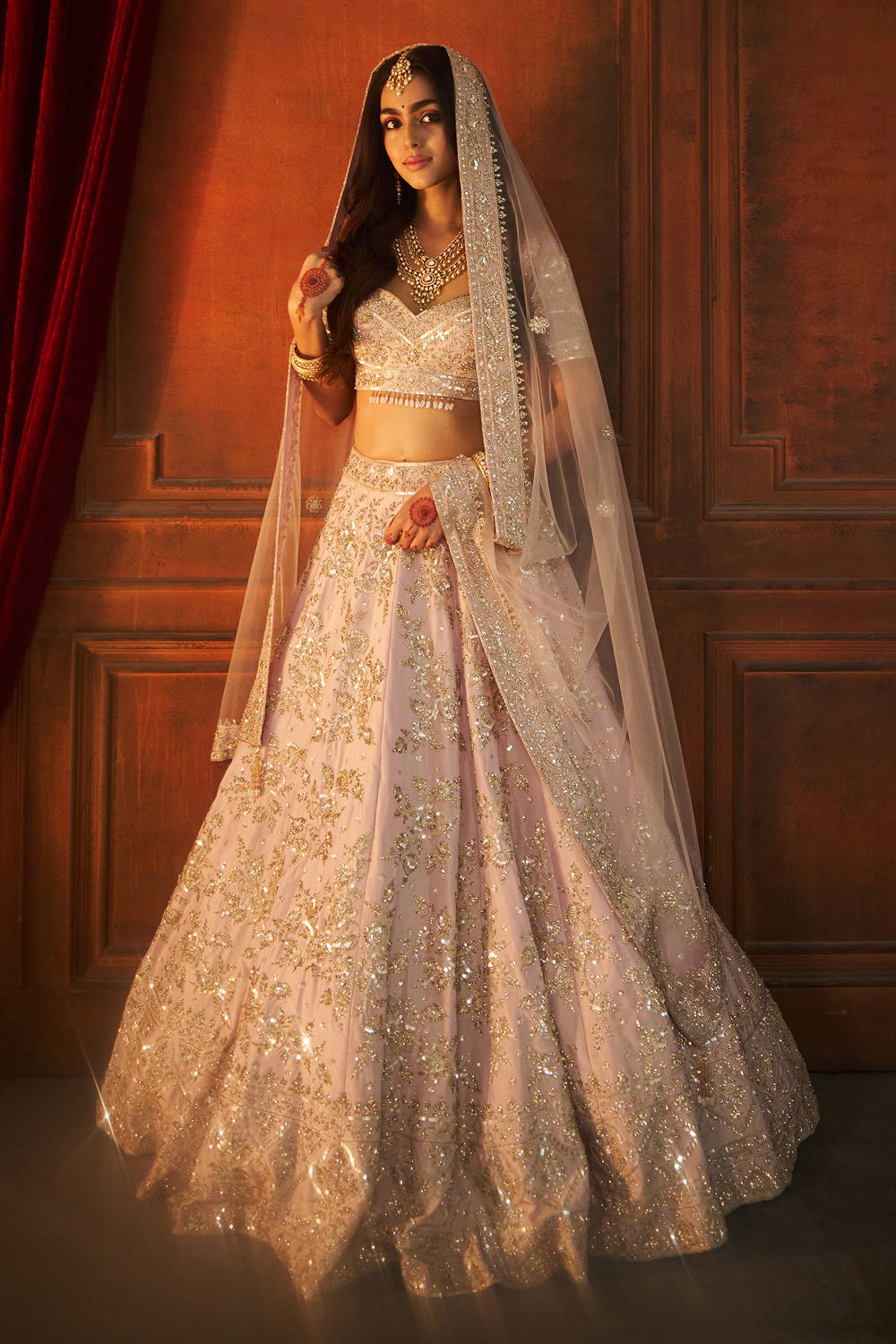
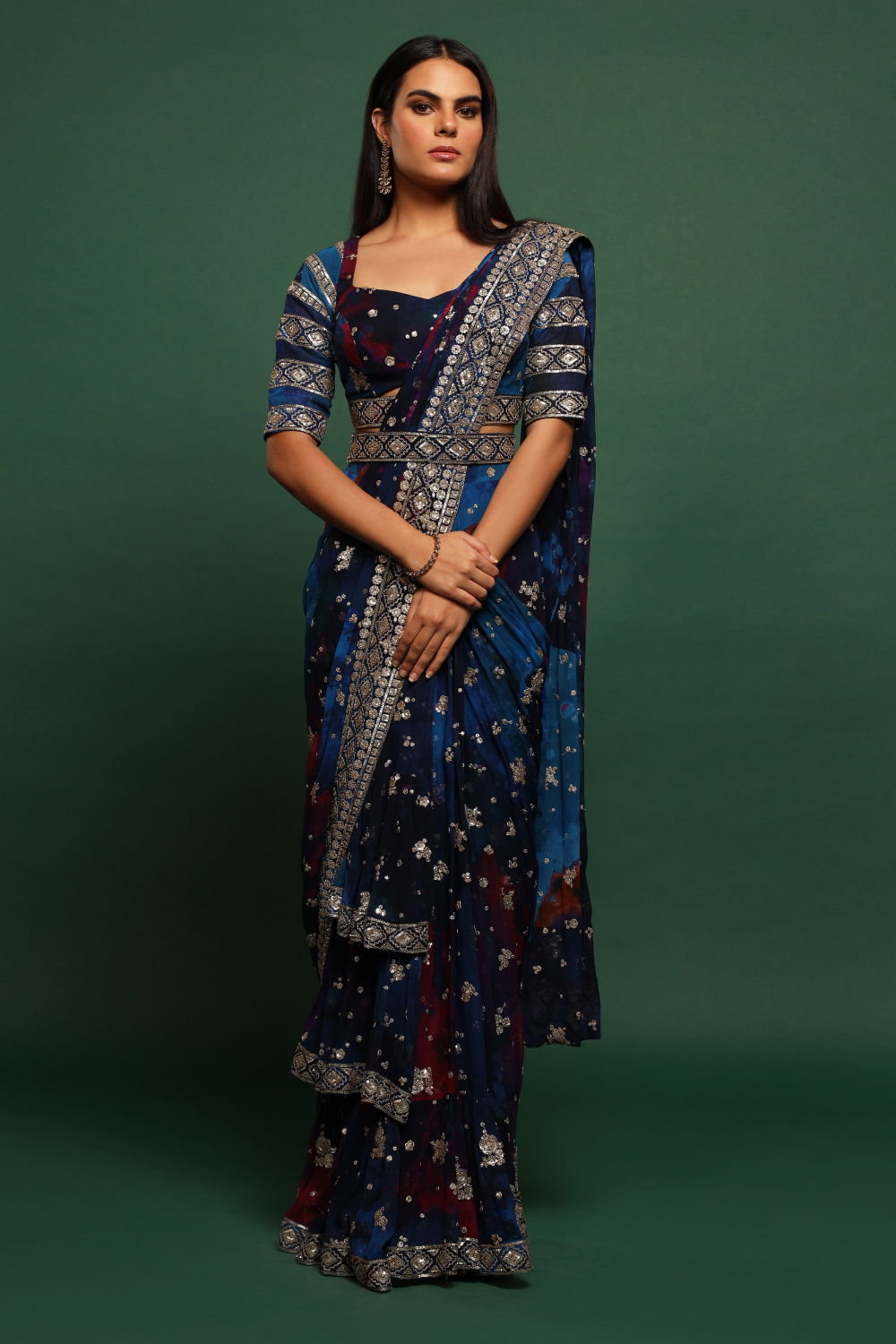
bride is traditionally dressed up in banarasi sari with
gold ornaments, a red veil, a mukut, which is pinned
to the veil and chandan is artistically applied on the
face, in a design of the mukut. The groom is also traditionally
dressed in dhoti and kurta. dhoti and kurta.
In Bengali marriage ceremony both he mothers of either
side do not attend the marriage. When the groom and
his party arrive at the bride's house, they are welcomed
by blowing conch shells, ringing bells and ululation.
Then, the mistress of the house takes the "baran dala"
and touches the plate to the groom's forehead, the ground,
and up to the groom again. After repeating this procedure
three times, the groom is offered sweets and sharbet.
Water is poured on the doorstep as the groom steps into
the house. Rituals like "shubho drishti" (this is the
time when the bride and the groom see each other) and
mala badal (exchange of garlands) take place. Saat paak
is a ritual where the bride, usually sits on a low wooden
stool called pidi is lifted by her brothers and is taken
round the groom in seven complete circles this signifys
that they are united. The bride's paternal or maternal
uncle gives her away in "Sampradhan". This is followed
by "saptapadi", agni sakhi and other rituals. Even while
the ceremonies going on, dinner can be served.
Post
Marriage Ceremony
After the marriage ceremony
is over, the newly weds are brought inside the house,
where women round them and several games are played.
The next morning, while sitting on the nuptial bed,
the groom applies sindoor on the bride's forehead, with
a darpan. Then they proceed to the mandap for bashi
biye ceremony. Within the mandap, in the presence of
the purohit, the Sun God is worshipped and some games
are played. Then the bride is given "Bidaai". The groom's
mother and sister-in-law welcome the bride. She is given
gifts and presents. Till the bou bhat ceremony is over,
the bride does not eat any food in her in-laws' house.
Her meals usually come from a neighbour's house. In
the "bou bhat" ceremony, in the morning after the wedding
ceremony, the bride is served food on a new plate. After
reception the following evening, the newly wed couple's
room, is tastefully decorated with flowers. The bride
wears a new sari and the groom wears a dhoti and kurta.
The flowers and clothes for this ceremony come from
the bride's house with the sweets. After the phool sajja,
the wedding ceremonies come to an end.
|