|
Malini
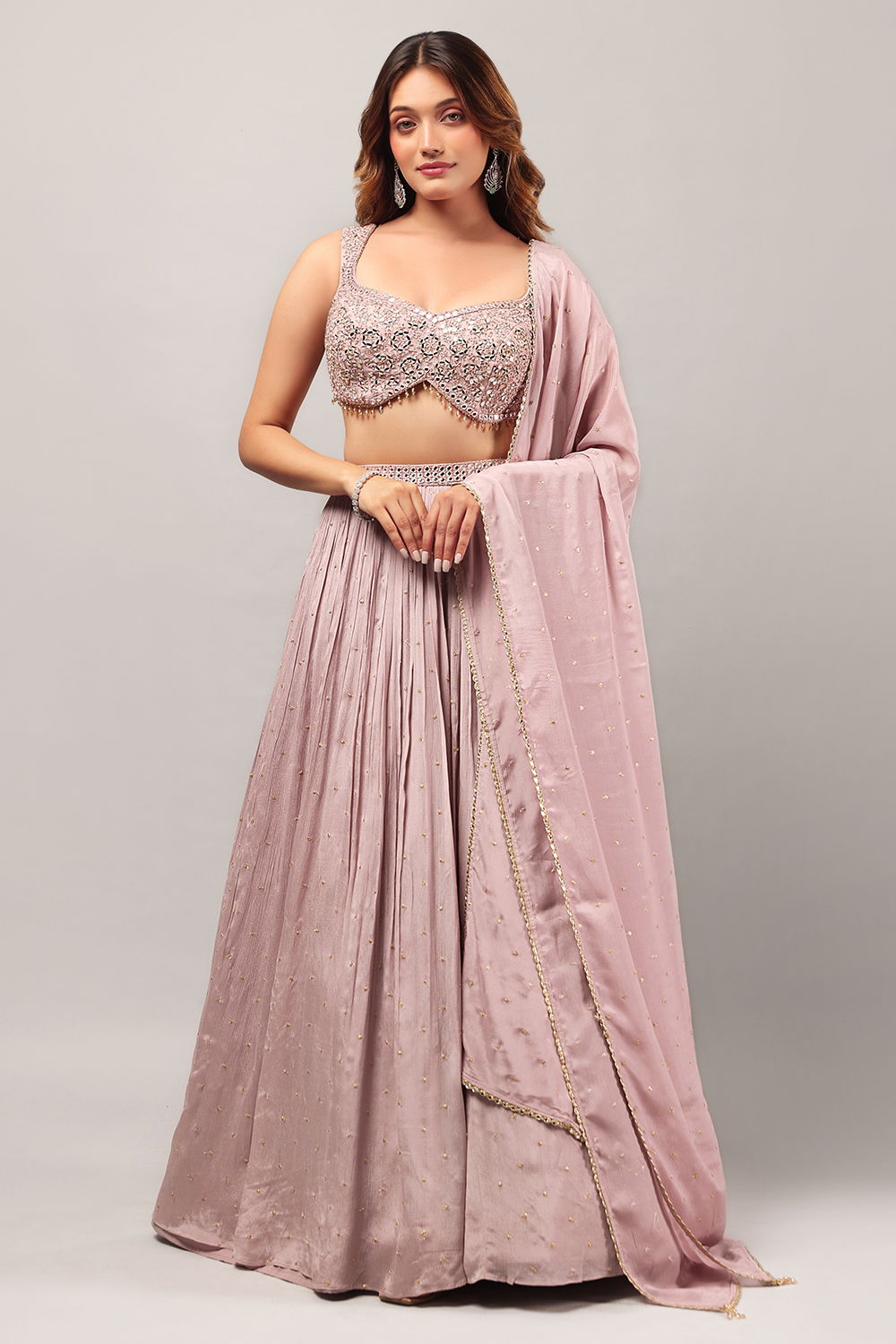
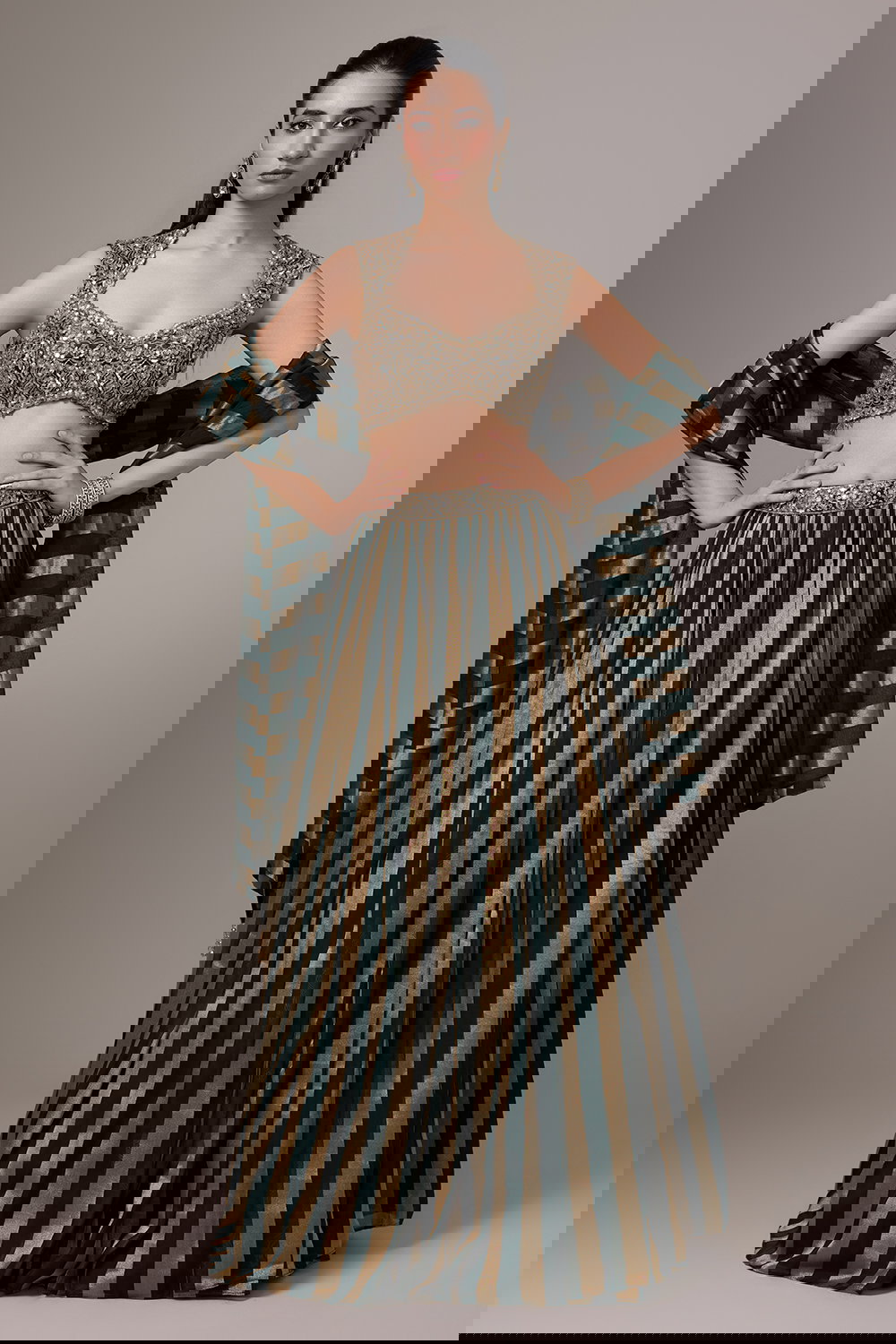
Ramini / Falguni & Shane Peacock
Malini
Ramani’s collection was very sexy, naughty, spoilt
and feminine in its expression. Ankle length tunic dresses
with long slits running up the legs, angrakha styled
fitted knee length dresses, flirty handkerchief hem
dresses with ample movement, teensy mini skirts, rushed
tee-shirts and fitted pants, sheer vertically paneled
gypsy skirts and sarees with sexy blouses were the mainstay
of her collection. The dresses with fully embroidered
florals warm colours, and the line of ensembles appliquéd
with bold gold and primary coloured patches were also
very eye catching. The highlights were the rib knit
cholis in single colours or vibrant stripes, embellished
with a million golden ghungroos; pompom encrusted bags;
and the crystal and mirror work spangled ornamentation.
Colours of red, fuschsia, coral, yellow, and orange
were set against the neutrals of white, black and nude.
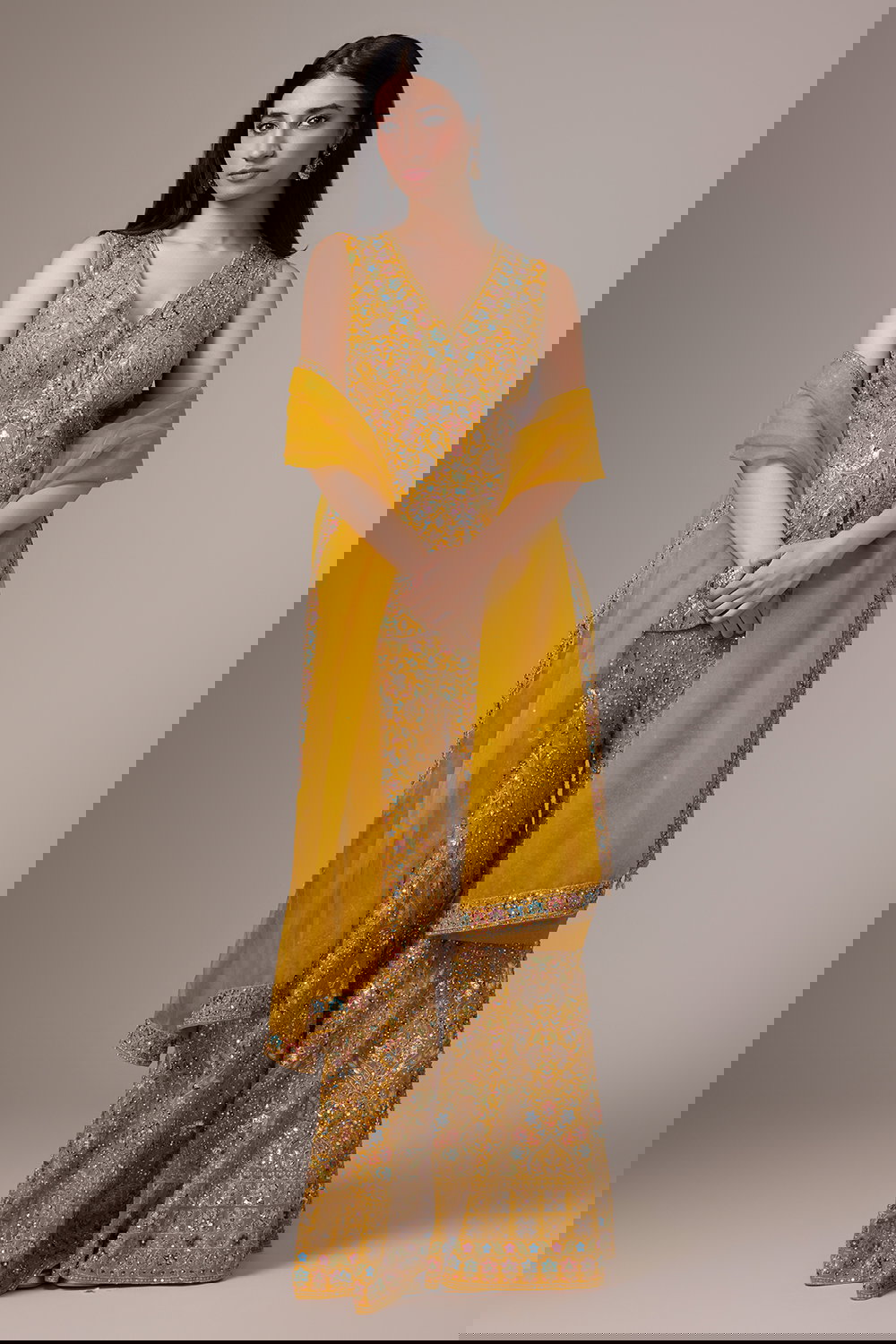
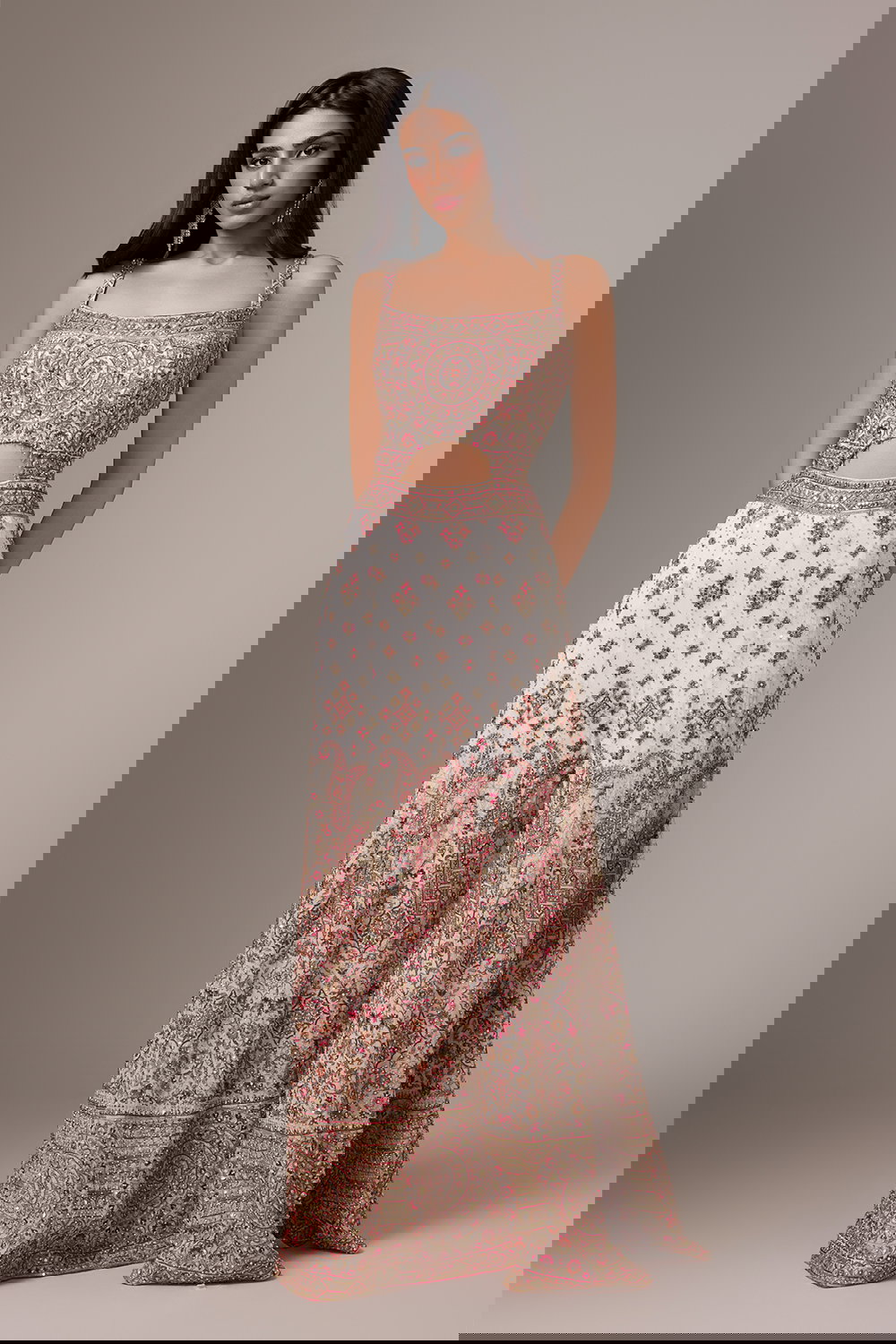
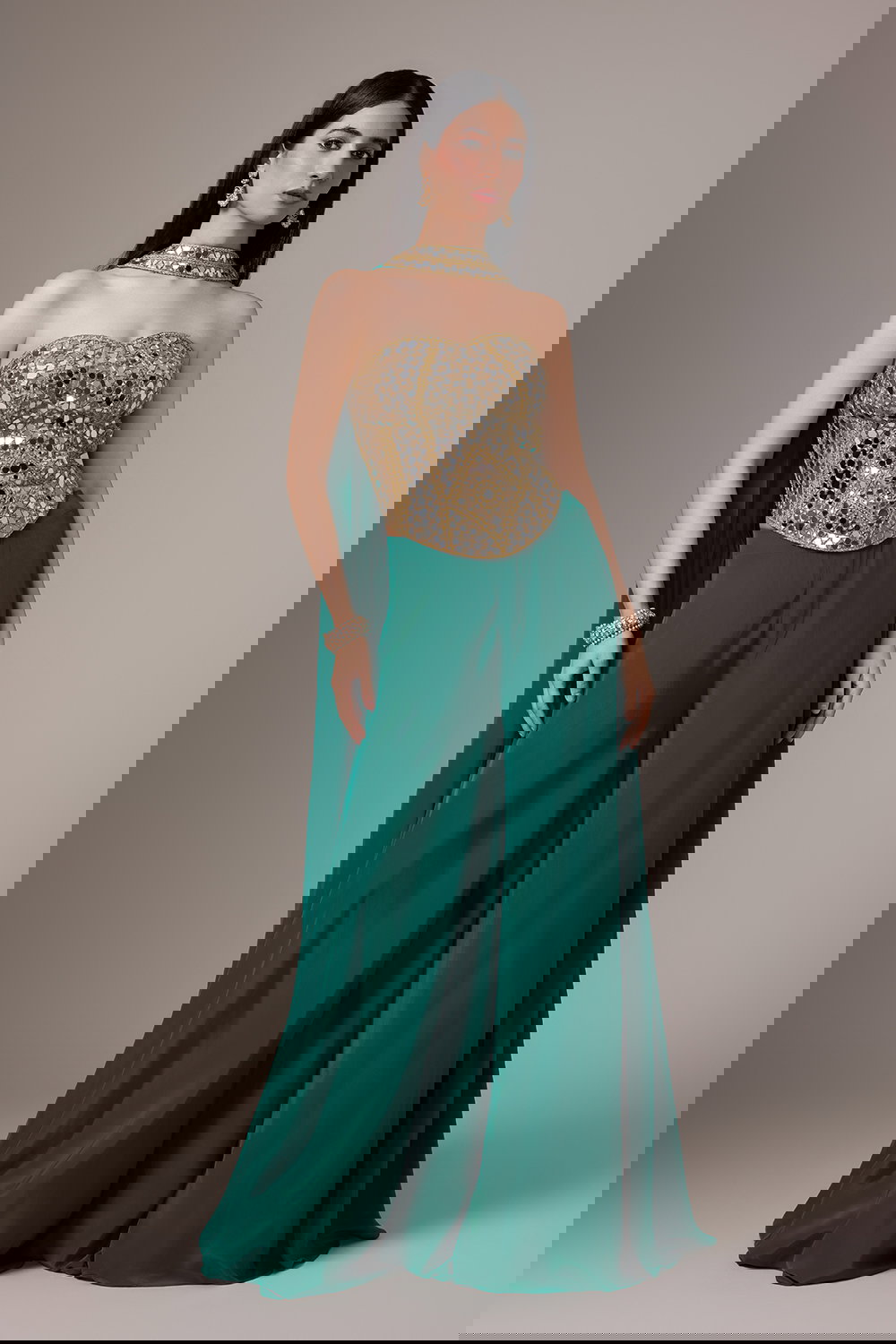
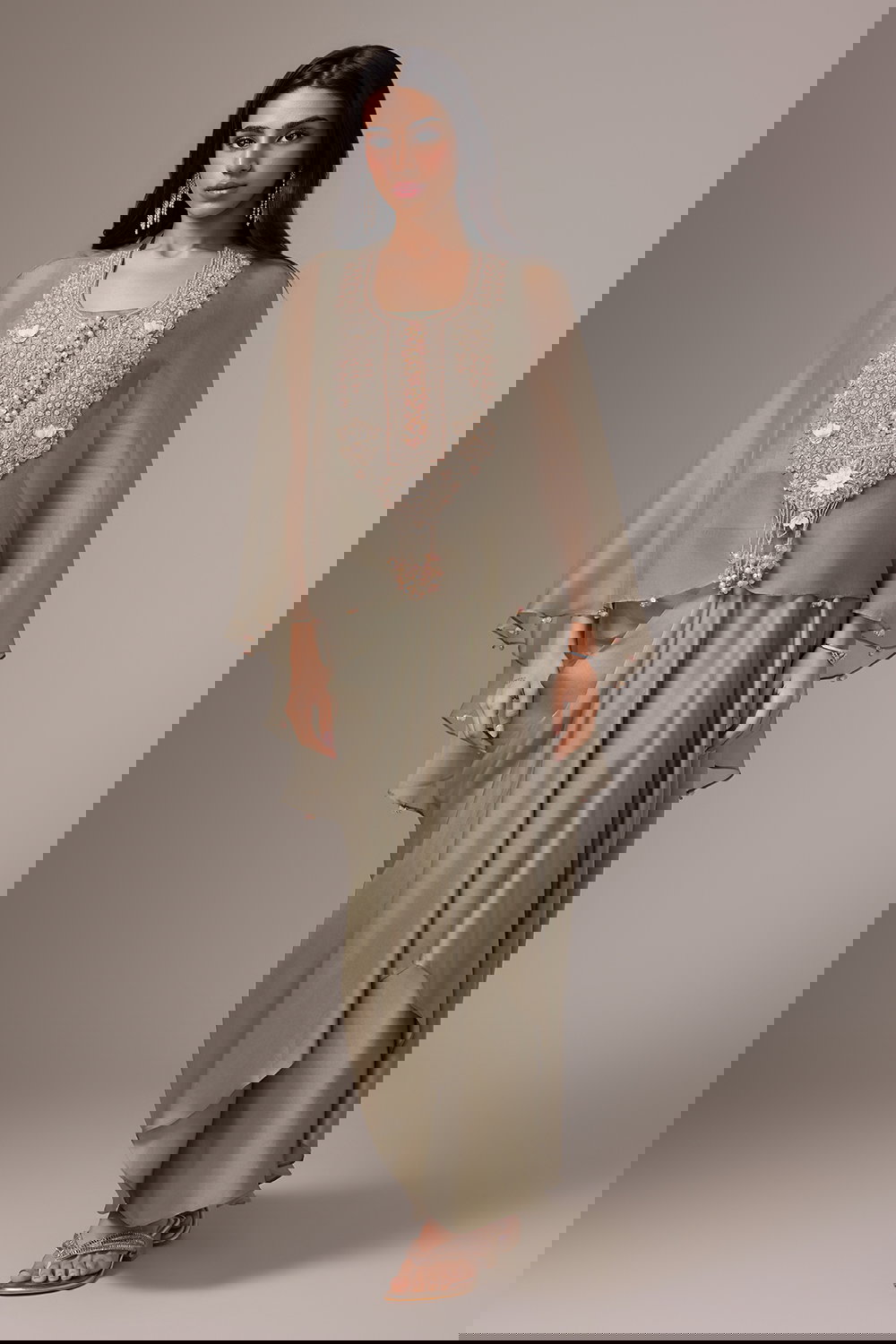
Falguni
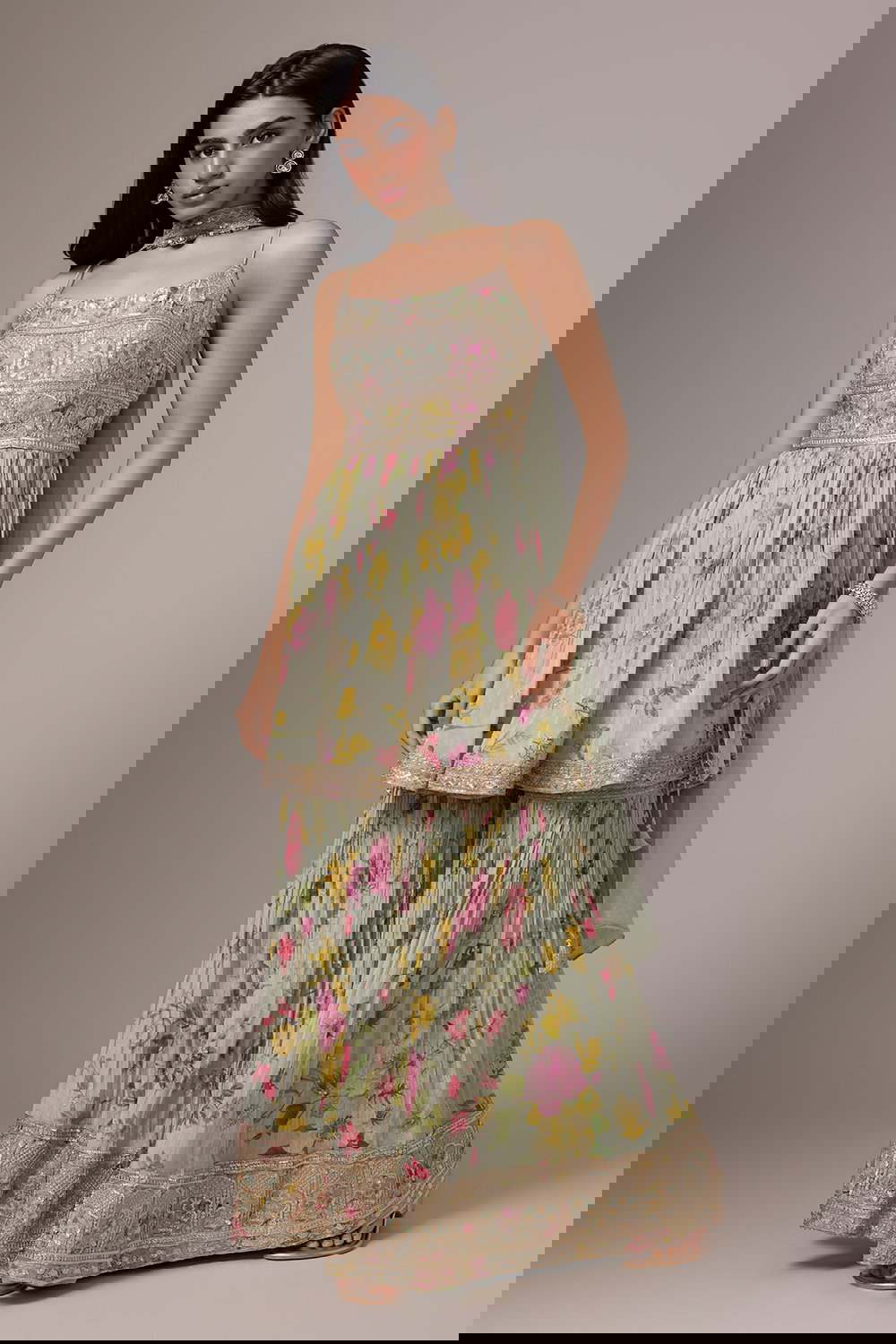
and Shane Peacock’s collection was meant for the
woman who knows her mind. It was bold and in your face
hot fashion showcased in saturated tones of blue, pink,
orange, blue, black and nude. Fabrics used are sheer
nets, crepes, satin, chiffons, georgettes and lots of
silk plaids. All of them are embroidered extremely intricately
with bunches of flowers, encrusted with crystals and
sequins, and enhanced further with giant beads of semi-precious
stones. Trousers are the mainstay of the collection,
with plenty of options in blouses- cowl necks, asymmetric
tanks, shirts, corsets and jackets. Tunic dresses in
floral prints, ponchos with massive bunches of leather
fringes, ruffled skirts were also seen in the collection.
Occasionally fur and feather boa trims also appeared
on the necklines, enhancing the glamour.
Dabiri
by Vandana Sawhney and Divya Bindra/ Swapan & Seema
Classic
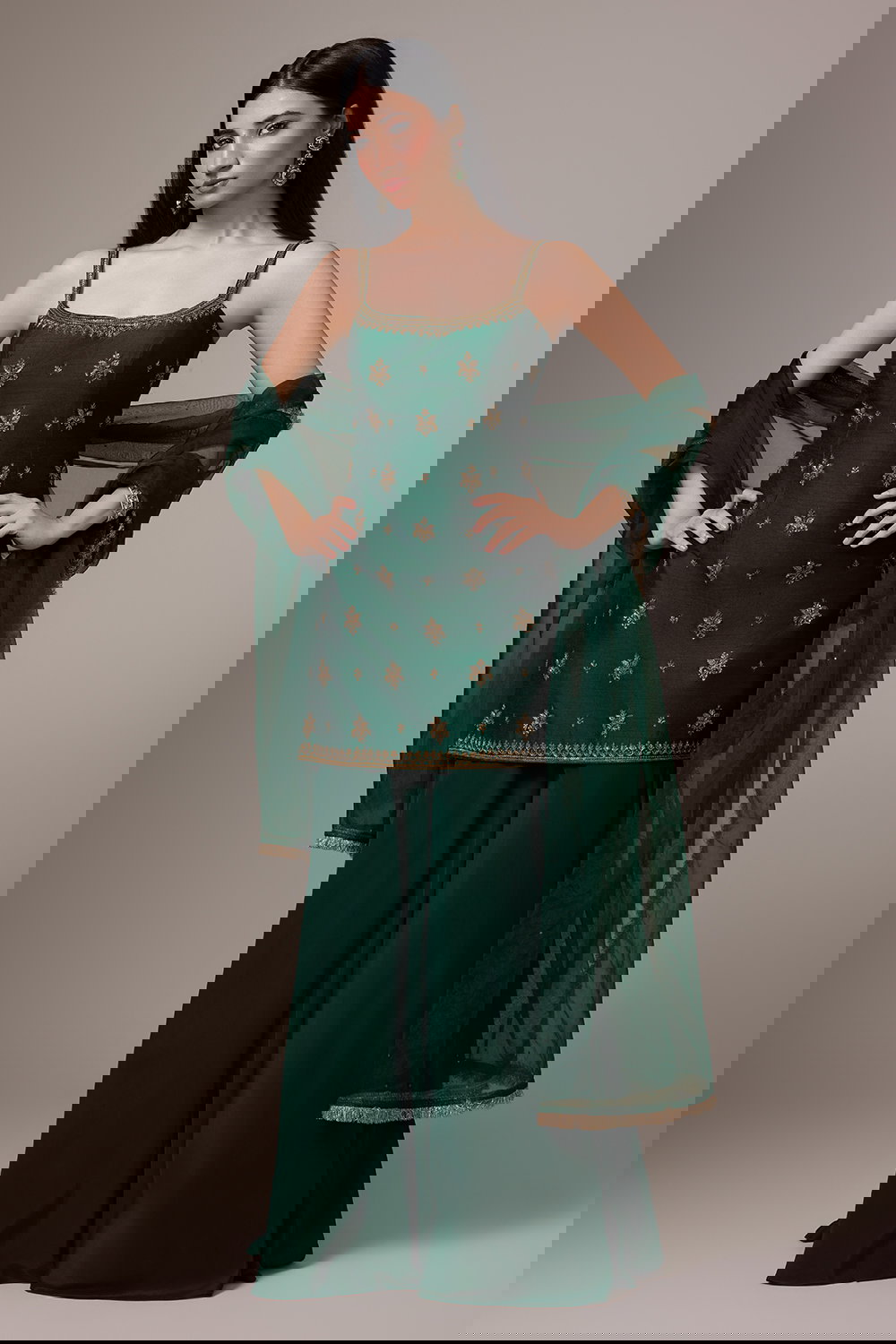
elegance at its best, this sophisticated collection
by Vandana Sawhney and Divya Bindra was beautifully
cut, gracefully embellished, and exquisitely finished.
Fitted knee length kurtis, sarees, and jackets were
seen alongside soft, floaty, tiered skirts, dresses
with asymmetric hemlines, and cowl necked blouses. The
treatment of the supple flesh toned chiffons, georgettes
and tulles were done so as to create clean straight
lines, and the
silhouettes skimmed lovingly over the body. The embellishment
incorporated the finest traditions of Indian handwork-
chikankari and resham work embroideries, sequins, mirrors,
tassels of beads, crystals and pearls. Their colour
scheme was limited to whites, bronze and clear transparent,
which ensured that the elaborate ornamentation never
got imperious or shrill. Seductive gold sequined blouses
with deep necks and shirt collar blouses added the glam-power
to the sarees and plain silk skirts.
Swapan
and Seema showcased options for daywear and special
wear. The collection was clearly divided into two categories
- the young trendy line for younger women and a second
range of traditional bridal wear. The first line was
done in red and white canvas, crepes and cottons that
consisted on knife pleated mini skirts, flap fronts,
and baby-ruffle skirts, blouses with cut-outs, cigarette
pants, off-shoulder dresses and capris. They were embellished
with embroideries, which were whimsically placed on
the bodices in off center positions, on pockets, and
pleats. Appliqué was also used to enhance the
thread embroideries. The second range consisted of traditional
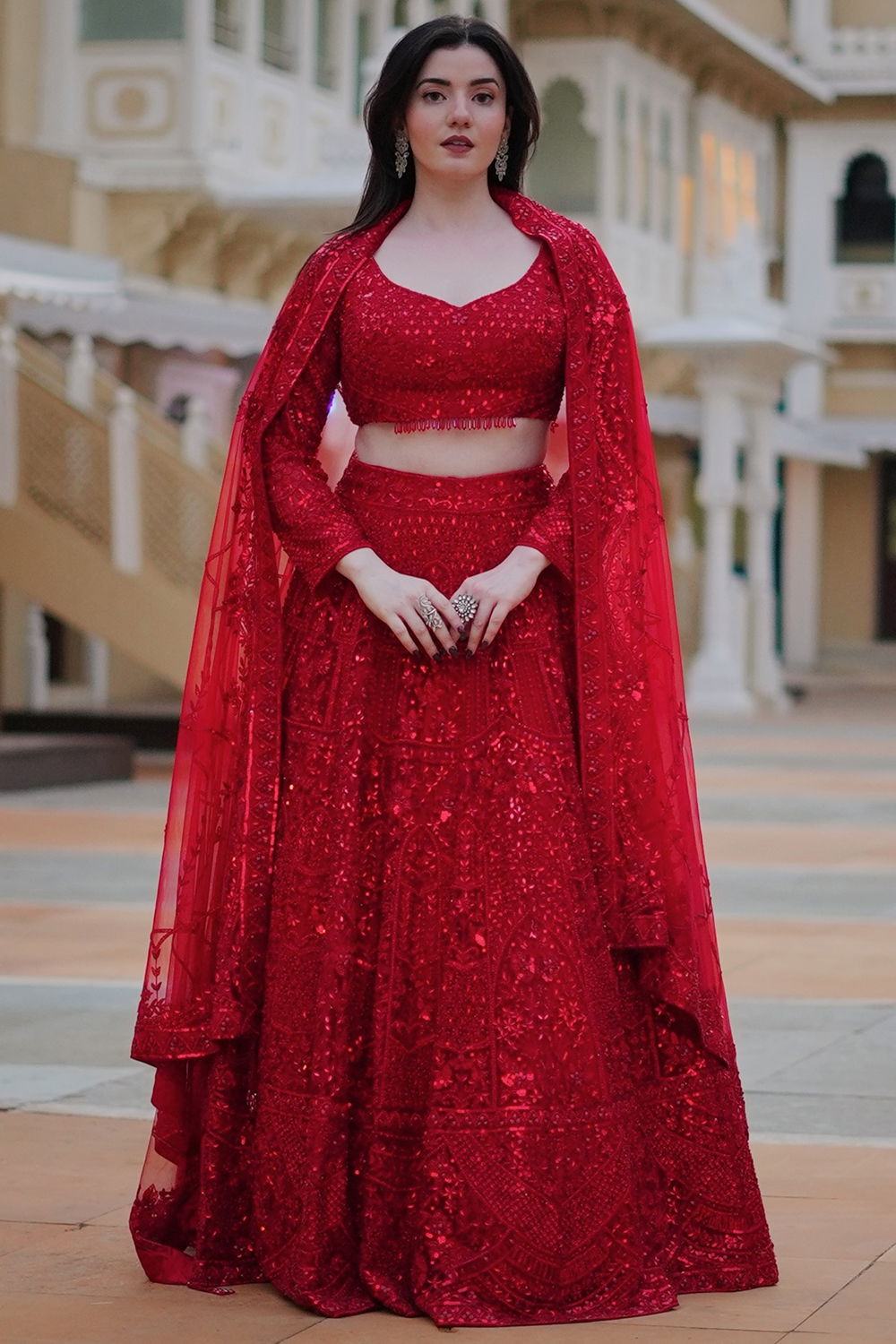
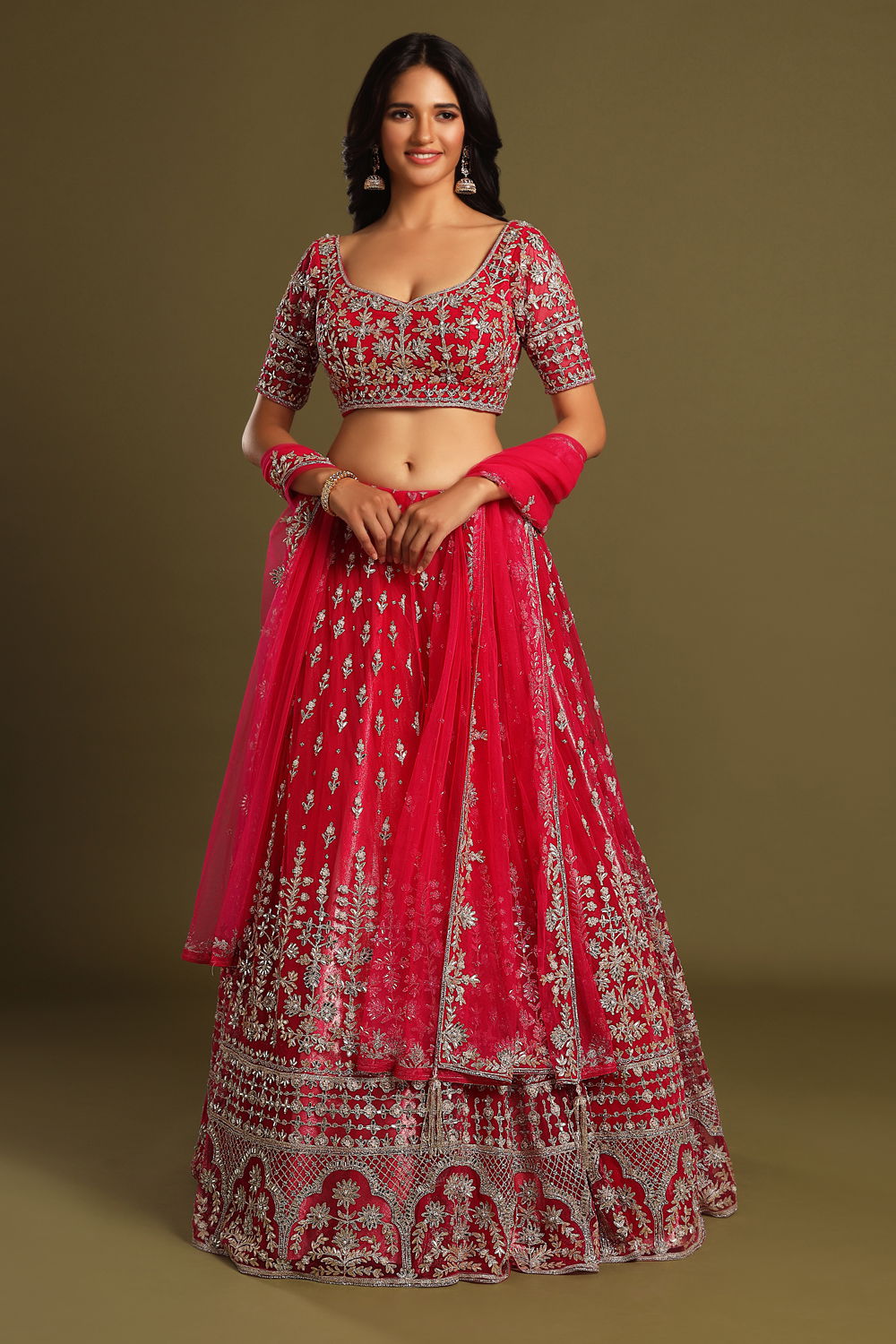
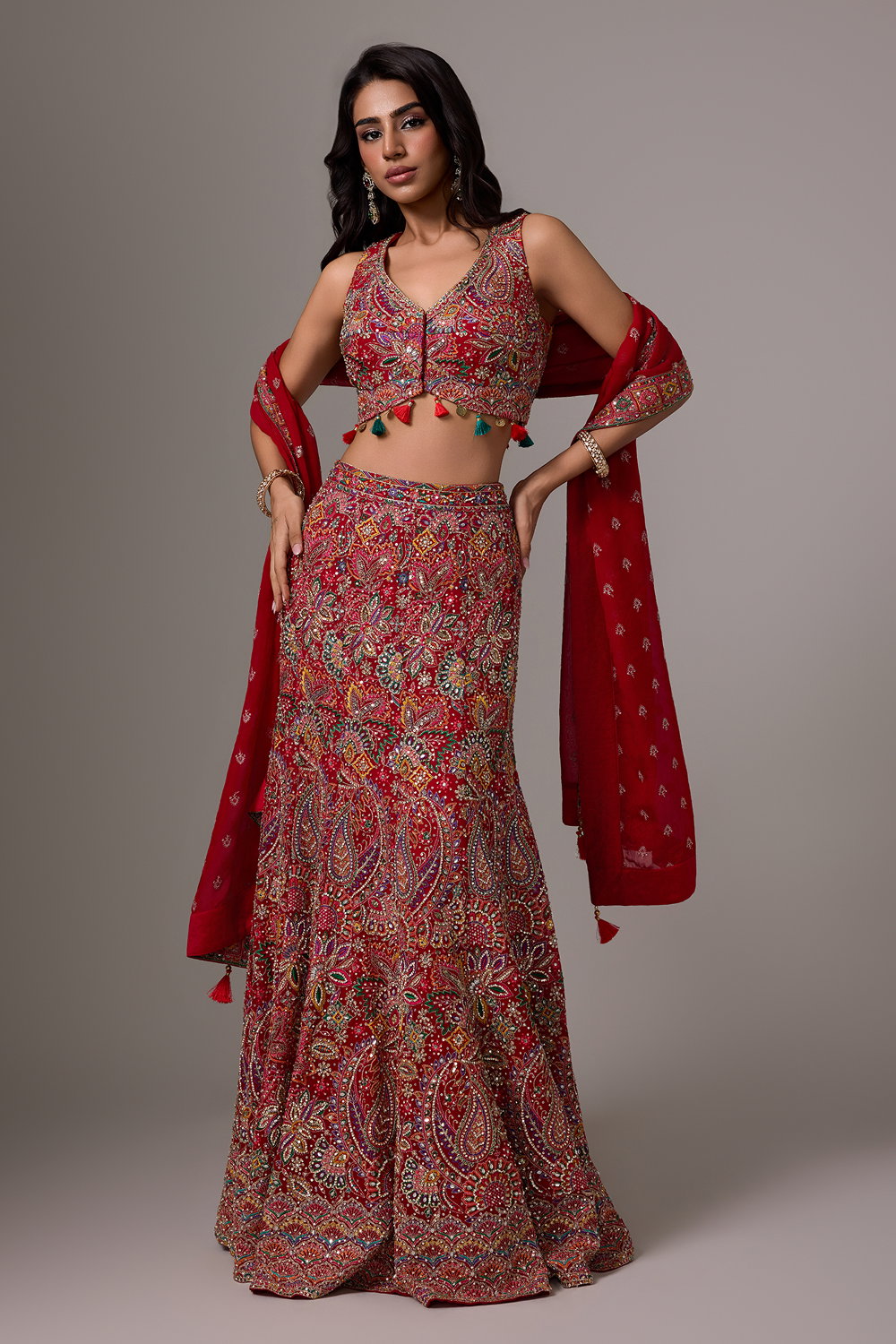
lehenga-choli-odhni ensembles, in deep reds and gold,
embellished with old-gold zardozi embroidery. Several
options of this classic favourite were presented with
various embroidery patterns. The silhouettes were conservation,
as required of such ceremonial wear.
Kotwara by Meera and Muzaffar Ali
Kotwara
by Meera and Muzaffar Ali is a collection showcased
crinkled lehenga-skirts, loose sheer pajamas, straight
kurtas and long draped odhnis in pristine white cottons
and silver tissues. The white on white hand embroideries
and appliqué borders were used effectively along
with silver 'mokesh' work, which dotted the ensembles.
An element of colour was brought in with the next line
in a pastel palette of mint, powder pink, orange, peach
and leaf green. Delicate murri embroidery of the chikankari
family was used to create flowers, also enhanced with
silver 'mokesh'. Dressy but equally subtle were the
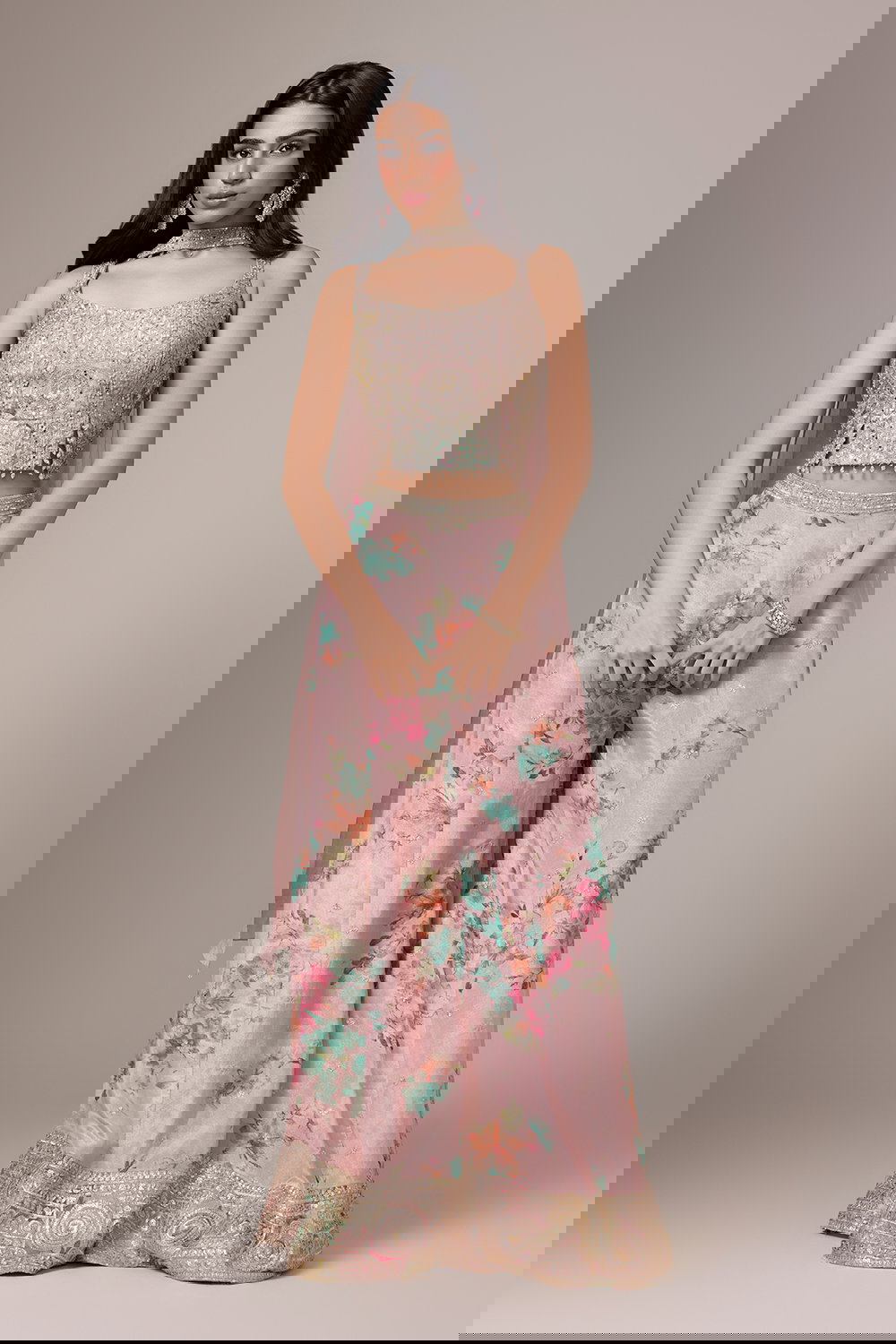
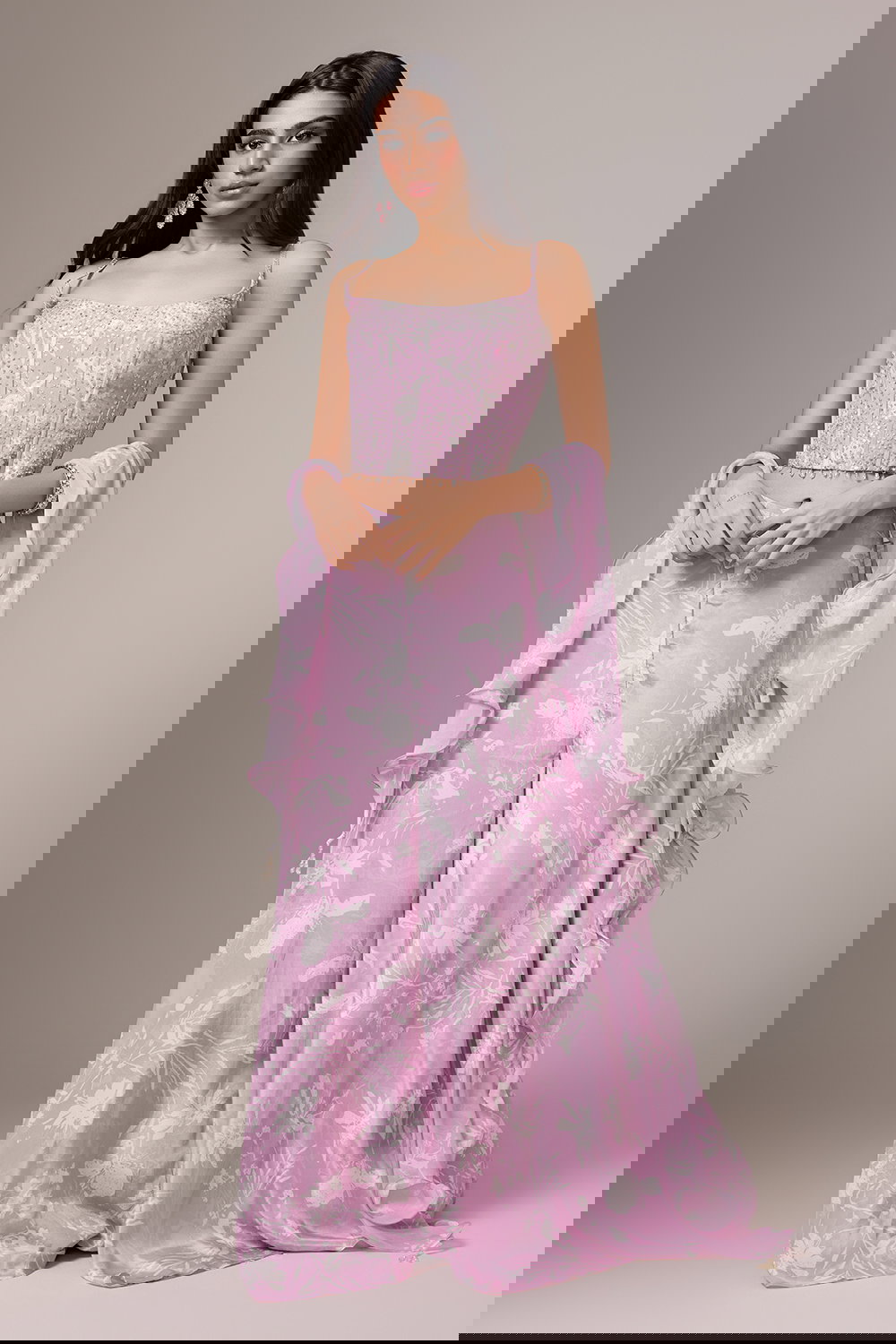
chiffon lehengas and cholis in colours of rose, peach,
pink, mauve, red, and green, as also the silk kurtas
with boxy straight loose Aligarhi pajamas in brocade.
The finale consisted of rich South Indian silk sarees
with gold temple borders and pallas, enhanced with mythological
bird motifs. The colours were as ornamental- jewel shades
of green, blue, maroon, and orange. They also launched
a new range called Khak, made of cottons and linens.
Coloured in natural hues of indigo, army greens, and
browns, it consisted of jodhpur pants, waistcoats, jackets,
short sleeved shirts and textured skirts.
Ritu
Kumar
Ritu
Kumar's collections this year featured an exhaustive
range of crinkled skirts teamed with an assortment of
tops. The controlled volumes of the crinkled georgette
and chiffon skirts were seen in colours of red, pink,
maroon, black, turquoise, fuchsia and cobalt blue.
The design elements consisted of solid jewel colours,
typical Ritu prints, and embroideries. An interesting
variation was brought in by combining elements from
the costumes of Rajasthani and Gujrati gypsies with
those of Spanish origin. The skirts were embellished
with zardozi embroidery, and some were even teamed with
sueded silk-thread embroidered jackets. Another interesting
line was the western wear range in faded denims and
worked on with floral patterned vintage appliqués
and embroideries. The fitted skirts, capris, jackets
and pants were pretty and feminine. The lines of white
and pastel kurtas teamed with skirts and churidars,
and gota work odhni's were equally elegant.
Raghavendra
Rathore
Rathod’s
range of men's and women's wear was stylish and yet
simple. Slim long skirts and slender pants with long
side slits were teamed with long shirts-coats, Nehru
collared shirts, and backless blouses held together
at the front with fine ties. Also seen were exuberant
organza skirts tucked in at places to created volume.
The colour palette had jewel tones of orange and pink
shots, impressive blacks, maroon and stone. Some of
the skirts for eveningwear were richly embroidered in
old gold, while others were paneled with fabrics and
prints of different colours; appliquéd on with
gold flowers; and decorated with patched pin-tuck detailing.
A multitude of pockets were used as design details.
The men's wear range was very impressive, especially
the shirts. Their stand-up collars, slim fits and square
shoulders created an understated masculine look, which
was extremely becoming. Subtle detailing was added in
form of interestingly placed seams, and pin tucks. Bandhgala
jackets and Jodhpuri riding breeches were also part
of Rathore's collection.
|
|