|
As
we step in the new millenium,let's indulge in little bit of
retrospection,the key moments in fashion, triggered by various
socioeconomic movements during the twentieth century. For what
we know of the history of fashion until the end of the 19th
century,it was mostly a fascinating footnote to the history
of art. Much has changed and evolved in the history of fashion
in the 1900's. It's a stirring,exotic trip with detours aplenty-from
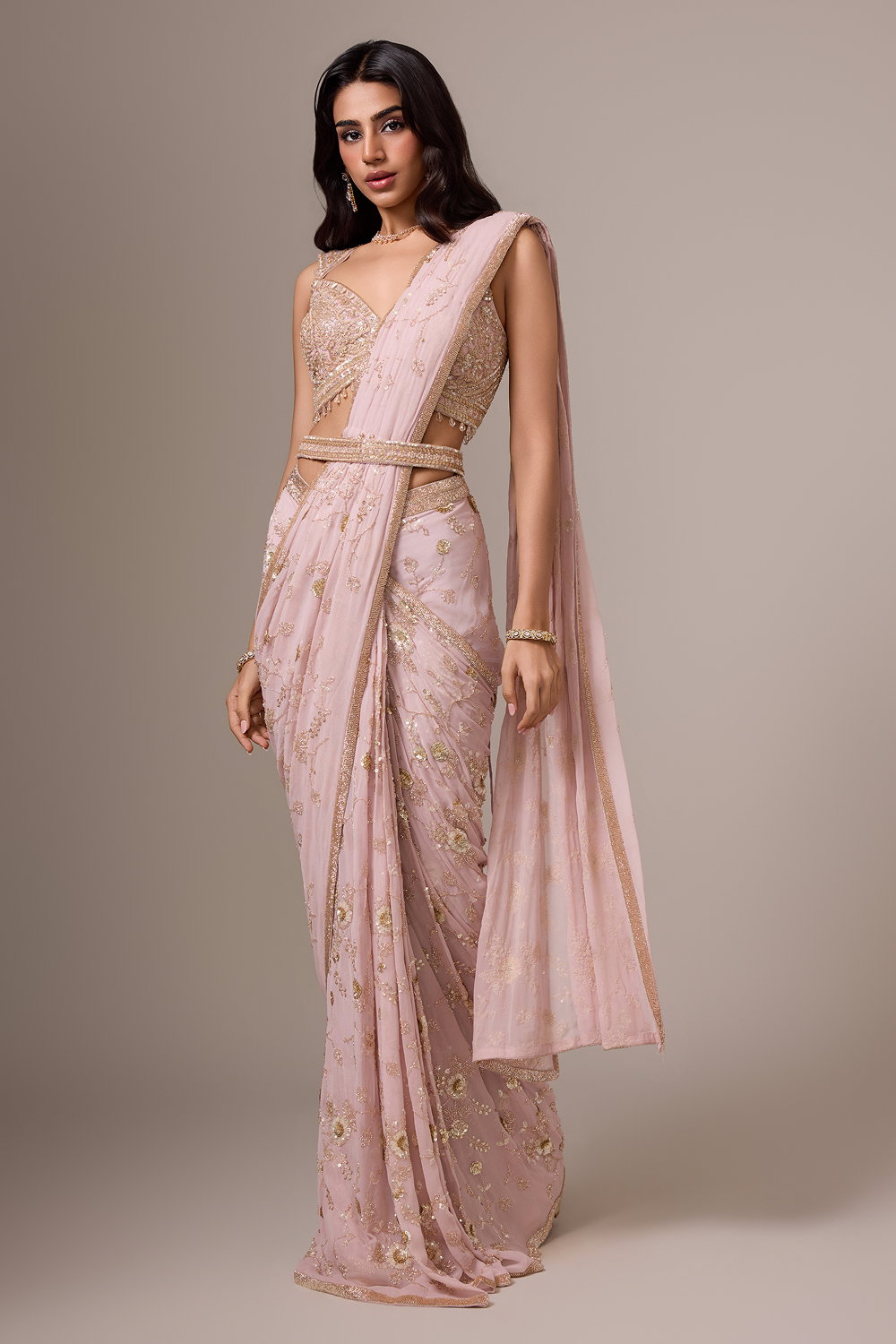
the Fallper girls of the '20s in their Channel dresses to
the sheer elegance of Maharani Gayatri Devi's pastel chiffon
sarees, to the innocent candy coloured can can dresses of the
'50s Americana to the dark, stylish paired down dressing of
the '90.
When
the century dawned, fashion was an exclusive enterprise,the
pursuit of the wealth. The lower tiers of the society settled
for garments that were more often than not entirely family
hand-made-downs or stitched at home.With time, however,networks
of neighbourhood tailors began to evolve into a retail history
and the boom followed by boutique selling. Today, garments are
laser cut by computers and sourced from all over the world
and can easily be bought sitting in the comfort of one's home
via the internet.
Each decade of this century ushered greater progress. "During
the '20s, one of the greatest influences on dress code was
the movement towards equal status for women. Hence, a new breed
of business-like women emerged and made corresponding demands
on their dress, says A.K.G Nair, Director, Pearl Academy of Fashion. "The
obvious choice for silhouette veered towards dropwaist or
box and the choice of colour was black and grey and the fabrics
preferred were silk and georgettes. "he says.
"In
India, the fashion scenario was in confusion as it was a turbulent
period of conflicting ideologies, when the consciousness of
an Indian national identity was beginning to find political
expression and the struggle for Indian independence was getting
momentum, "says fashion diya Ritu Kumar. Thus the fashion trends
within high society, read the loyalty, was strongly influenced
by the British with the result that western clothes became
a status symbol.
The '30s heralded the idea of socialism,communism and fascism
and women's fashion became more and more feminine in keeeping
with conservative ideas. "However this period also saw the
emergence of the vamp and the culture of cabaret, "says Nair, noting
that hence the dresses became more body hugging and the colours
deep and dark in tune with such themes.
The
establishment of the Indian cinema also proved to be the strongest
influence on the fashion in the decade.Due to the western
influence, the use of angarkhas, choghas and jamas diminished
considerably by this time,although the ceremonial pagri,safa
and topi were widespread as ever. "They had been replaced by
the chapkan, achkan and sherwani, which are still standard items
of formal dress for Indian men today, "says Kumar.
"The
women even though were accepting change,continued to wear
their peshwaz, kurtas,ghaghras and odhnis at religious and
ceremonial festivities,sometimes using imported fabrics but
using mostly traditional handwoven fabrice, "says Asha Baxi,Director,Fashion
Design. National Institute of Fashion Technology(NIFT).
In the '40s,it was Christian Dior who turned fashion upside
down with a new shape, with the bosom pushed up and out, a pinched
waist and hips emphasised with short fluted jackets. "It was
also a decade marked by the second World War and the ensuing
independence ofr India with the result that women's clothing
was simple and functional, "says Nair.
The
'50s saw the dawn of art colleges and schools, which became
places of rebel, and hence in silhouette,narrow waist and balloon
skirts with bouncing patterns were in vogue.Also due to the
freedom struggle and the espousal of khadi by Gandhiji,khadi
garments became a rage giving a boost to the sagging handloom
industry,according to Asha Baxi.
The '60s one of the most shock-filled decades of the century, saw
sweeping fashion and lifestyle changes that reflected the
mercurial passions of the times. "This decade was full of defiance
and celebration in arts and music and cinema,marked by a liberation
from constraints and new types of materials such as plastic
film and coated polyester fabric got popular, "says Nair.Besides,adds
Bax" Tight kurtas and churidars and high coiffers competed
with the mini-skirts abroad and at the same time,designers
understood the need of the moment to launch cheaper, ready-to-wear
lines.
"One of the most "revisited" and "retro" periods in the fashion, the
'70s is often called the 'me decade'. "It saw the beginning
of "anything goes" culture with the result that fashion became
another form of self-expression and bold colours with flower
prints were adapted in tunics,with shirts and bell-bottoms, "says
designer Manav Gangwani. As drug culture became a mass phenomenon,psychedelic
colours were garish,the shoes were tall and hazardous and
silhouettes were extreme and the dressing of the '50s was
definitely out.
"The 70s also saw the export of traditional material with
the result that export surplus was sold within the country
itself and hence, international fashion came to India much
before the MTV culture," says Baxi. Synthetics became popular
and the disco culture had a profound influence on fashion
and the clothes became as flashy as the mirrored ball that
spins over the dancers.
In
the '80s the big money ruled.It was the era of self consciousness
and American designers like Calvin Klein became household
names. In India too,silhouettes became more masculine and the
salwar kameez was made with shoulder pads.Says Baxi, "Power
dressing and corporate look became dominant dress code. "The
influence of cable TV became more prominent and the teenage
market boomed with youngsters going in for the trendy look, which
in turn influenced the elders.
The '90s the last decade of the millenium, was one of the extremes. The
excess of the early decade gave way to the drastic pairing
down and stripping away in the hands of German designers like
Helmut Lang and Jil Sander. "Perhaps the biggest fashion news
of the '90s has been the ascendancy of the younger generation
of designers into the mainstream. The decade also looked for
independent women with comforts, poise and comnfidence as key
features," says Nair.
But
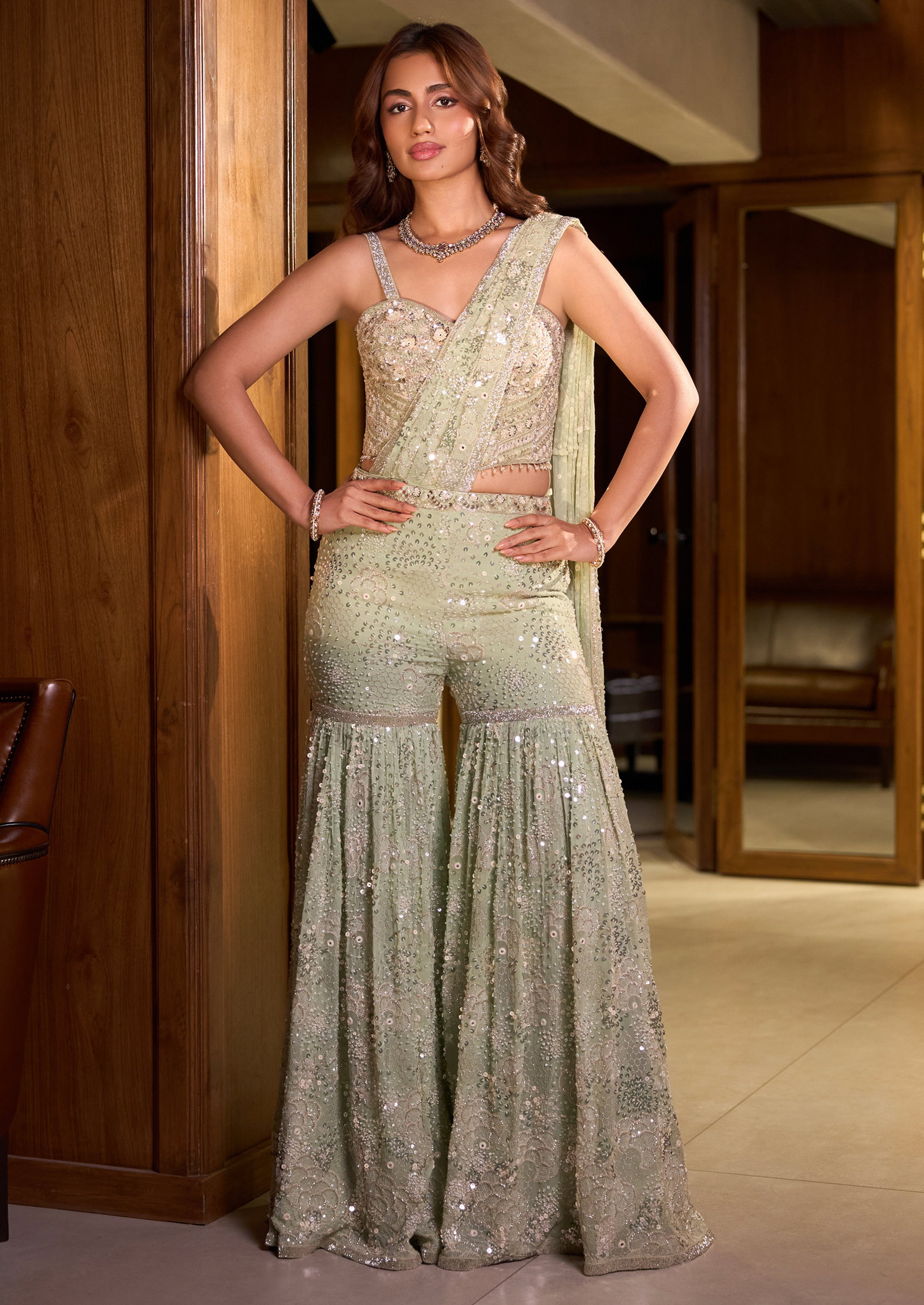
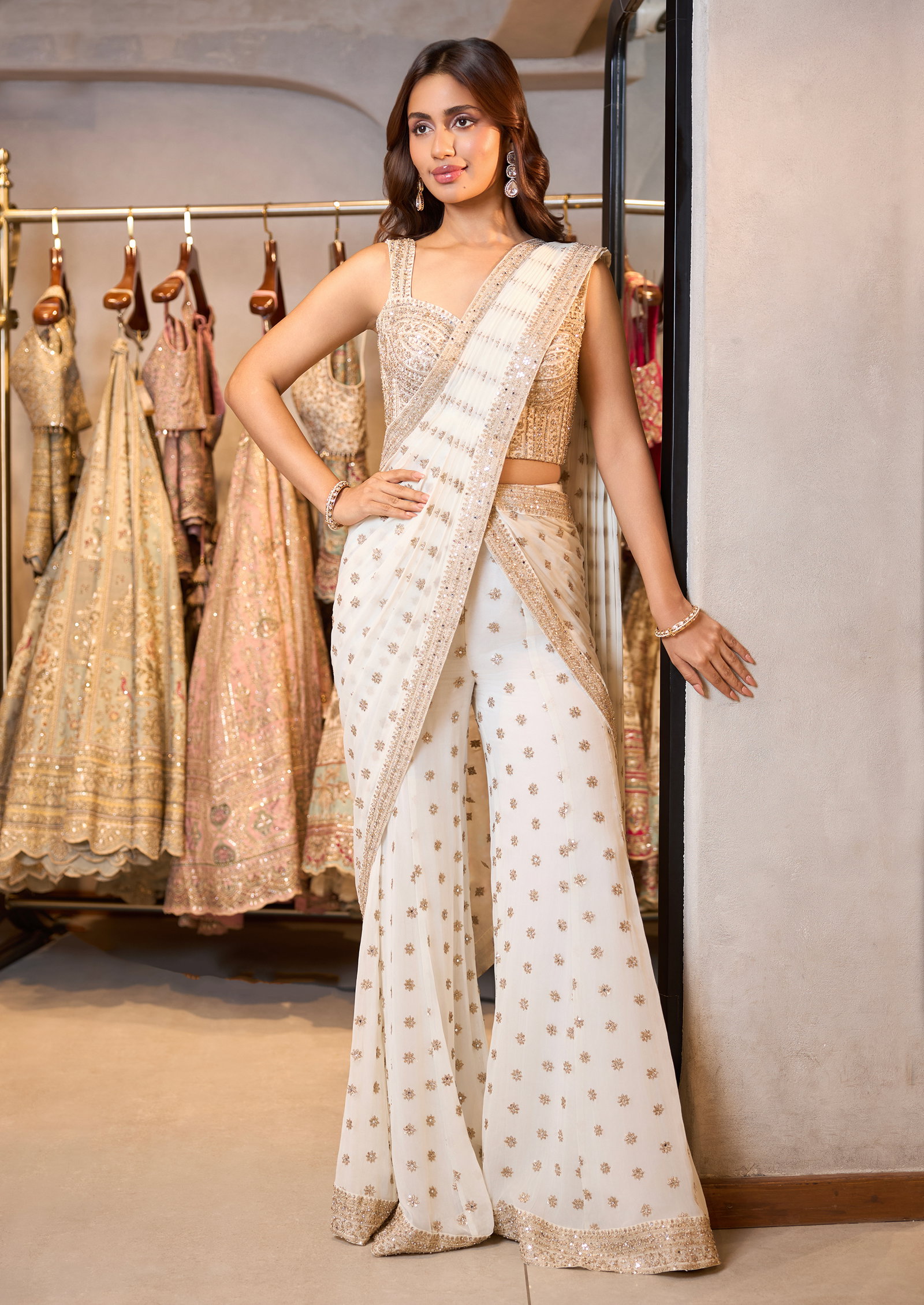
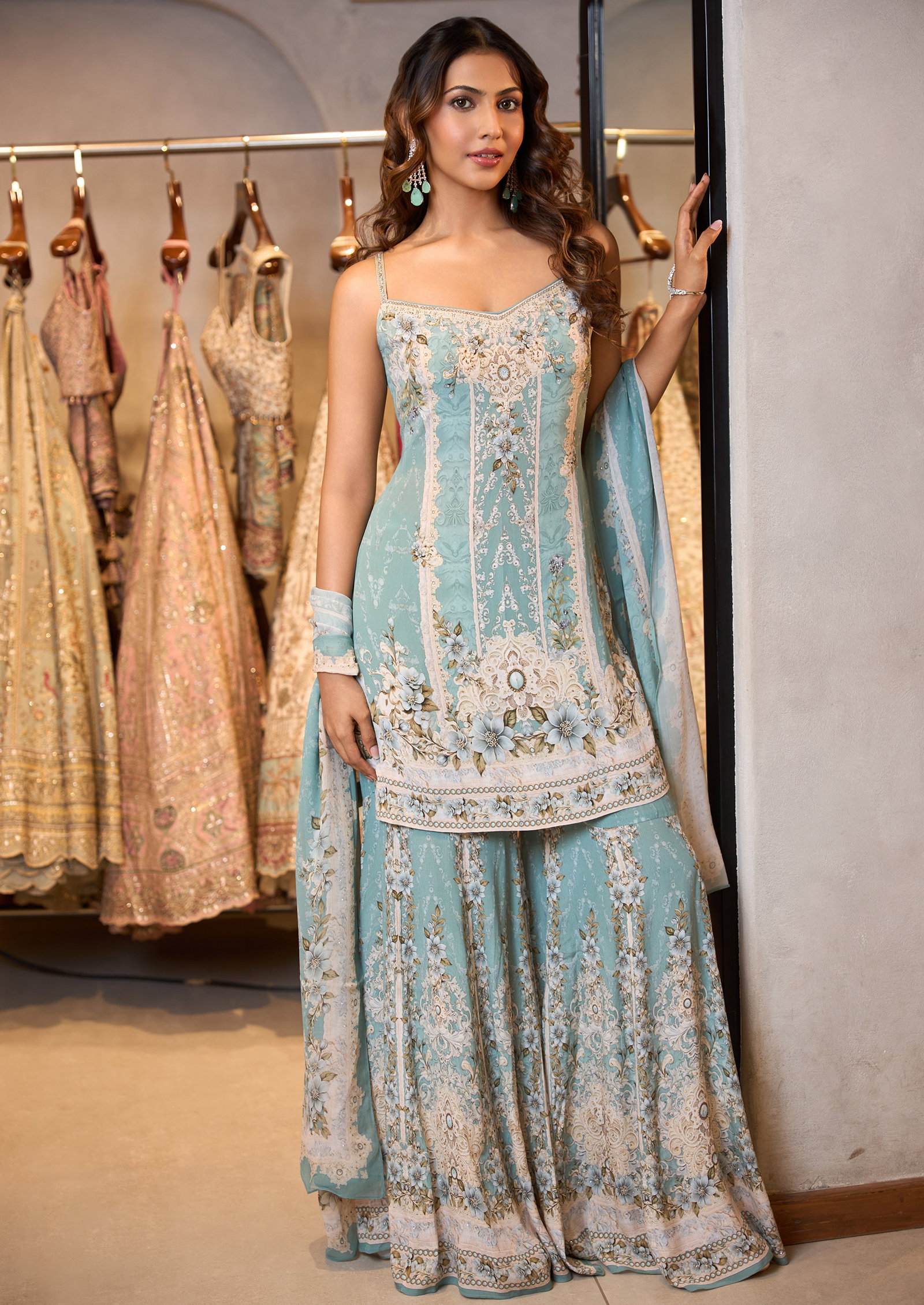
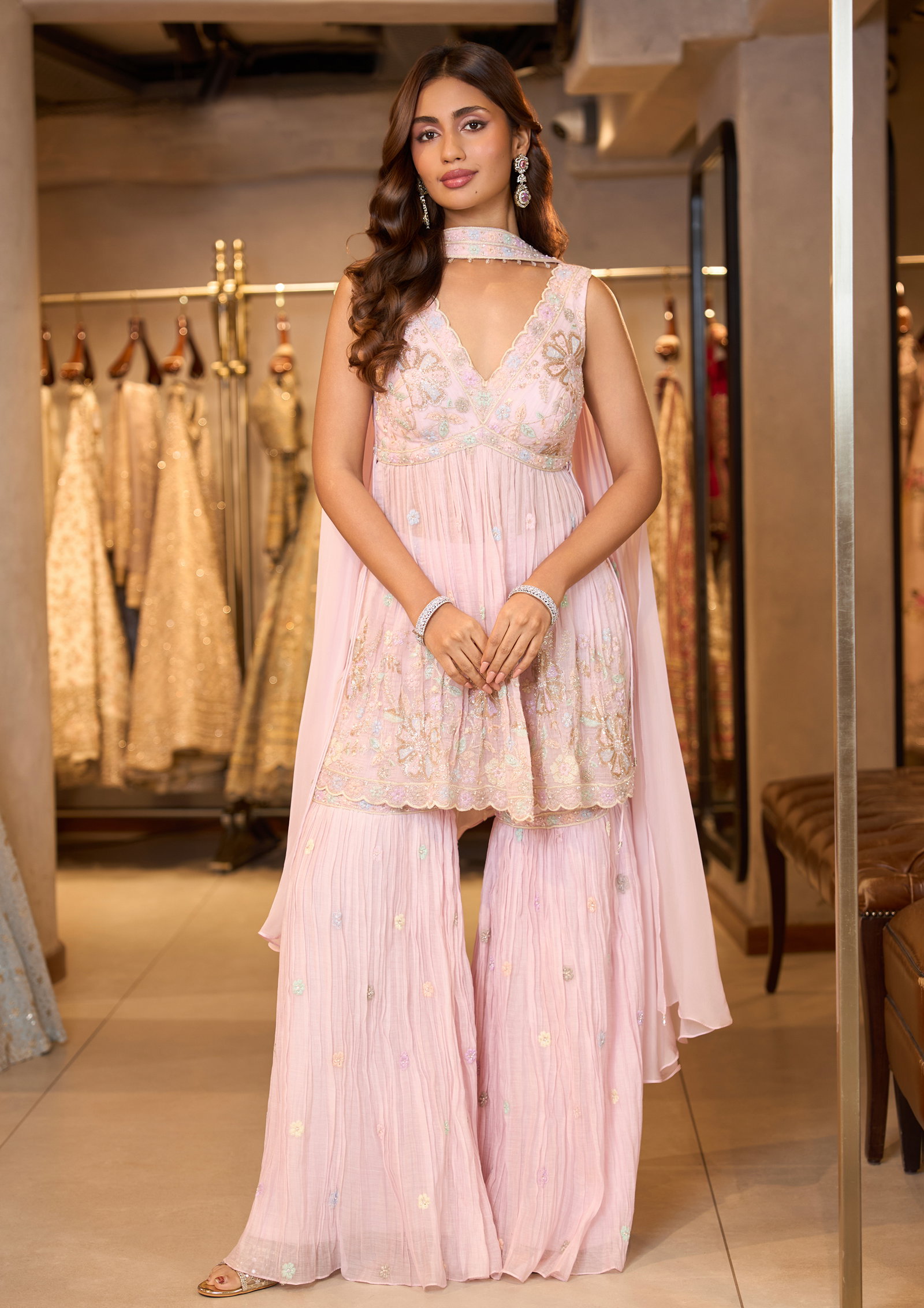
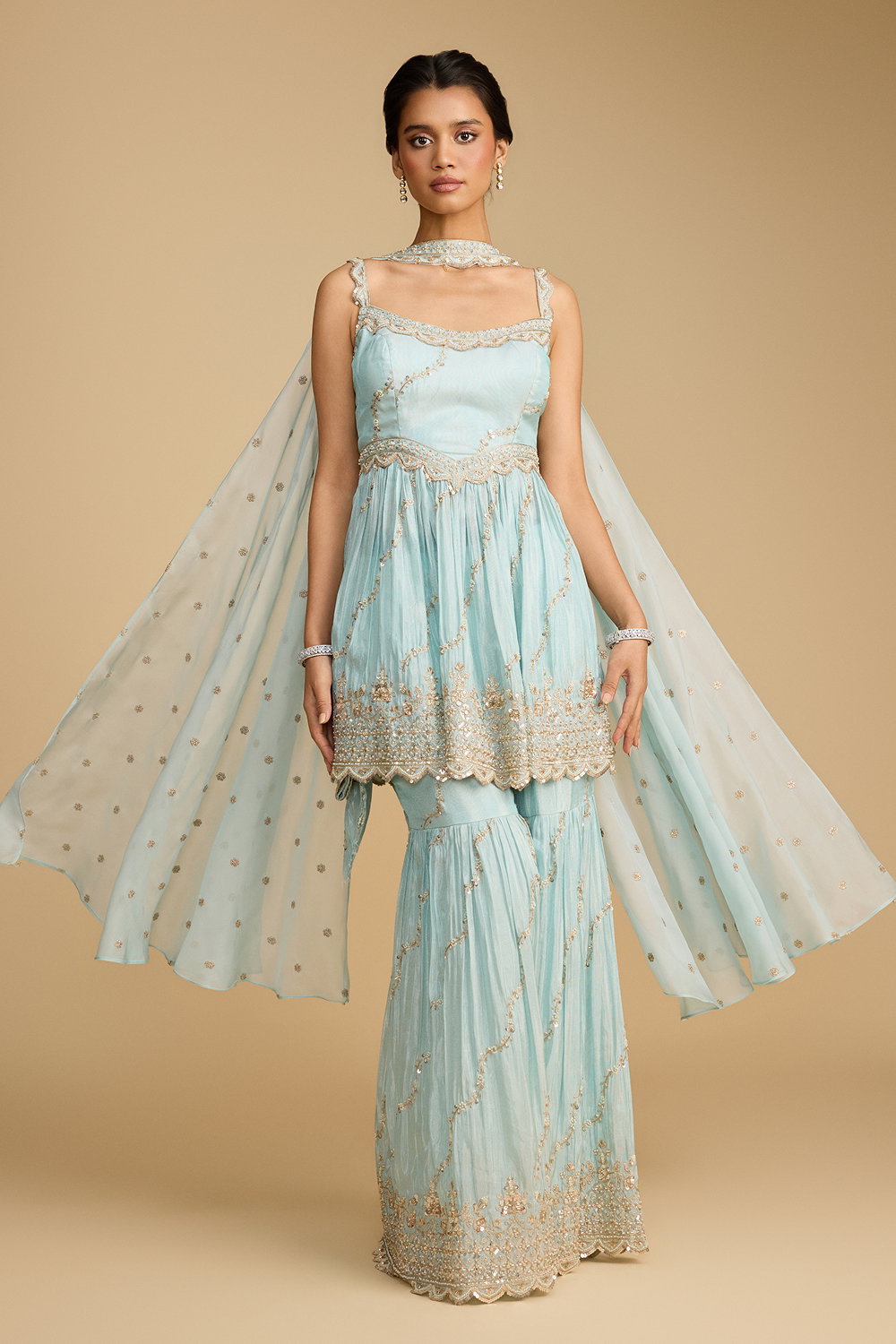
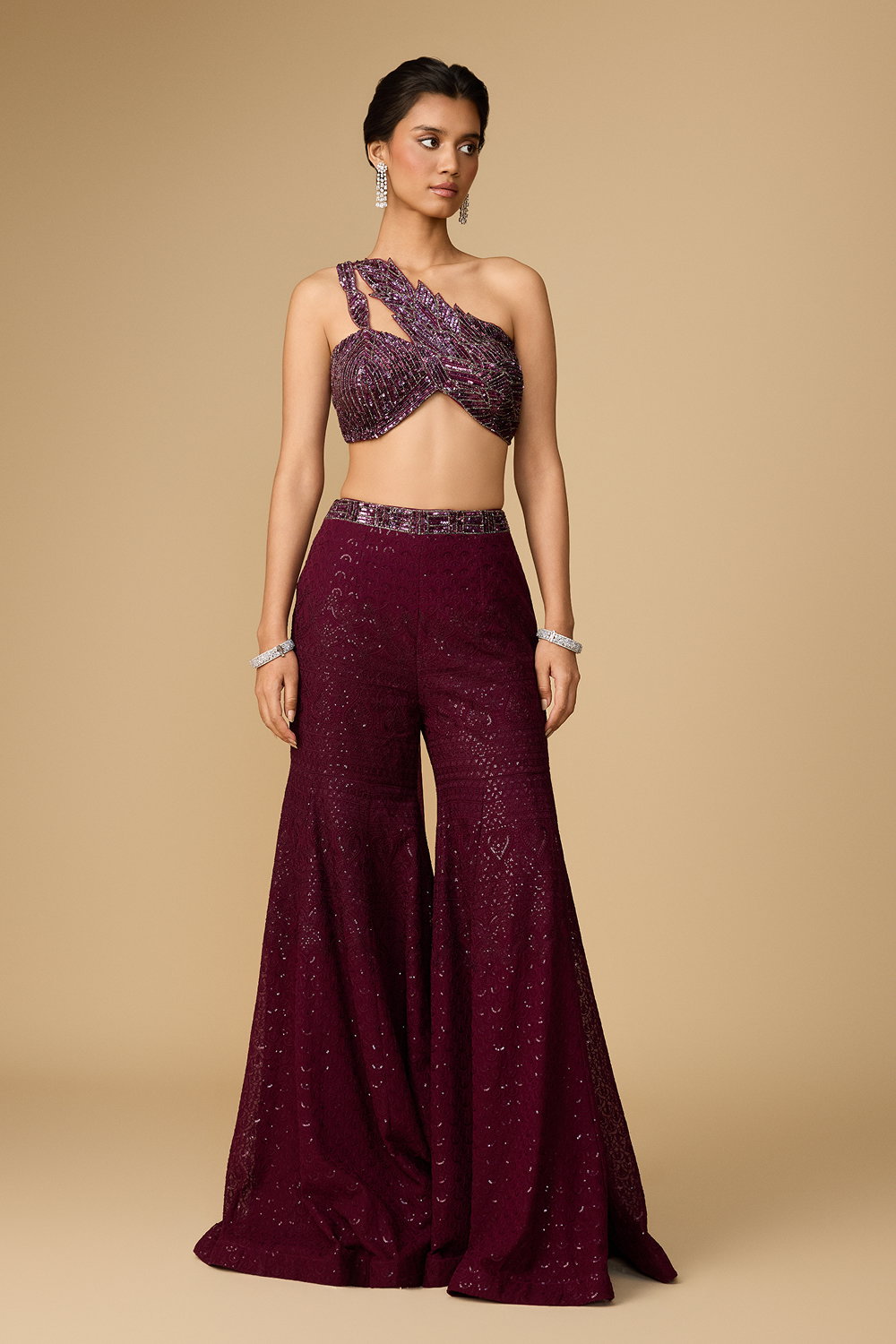
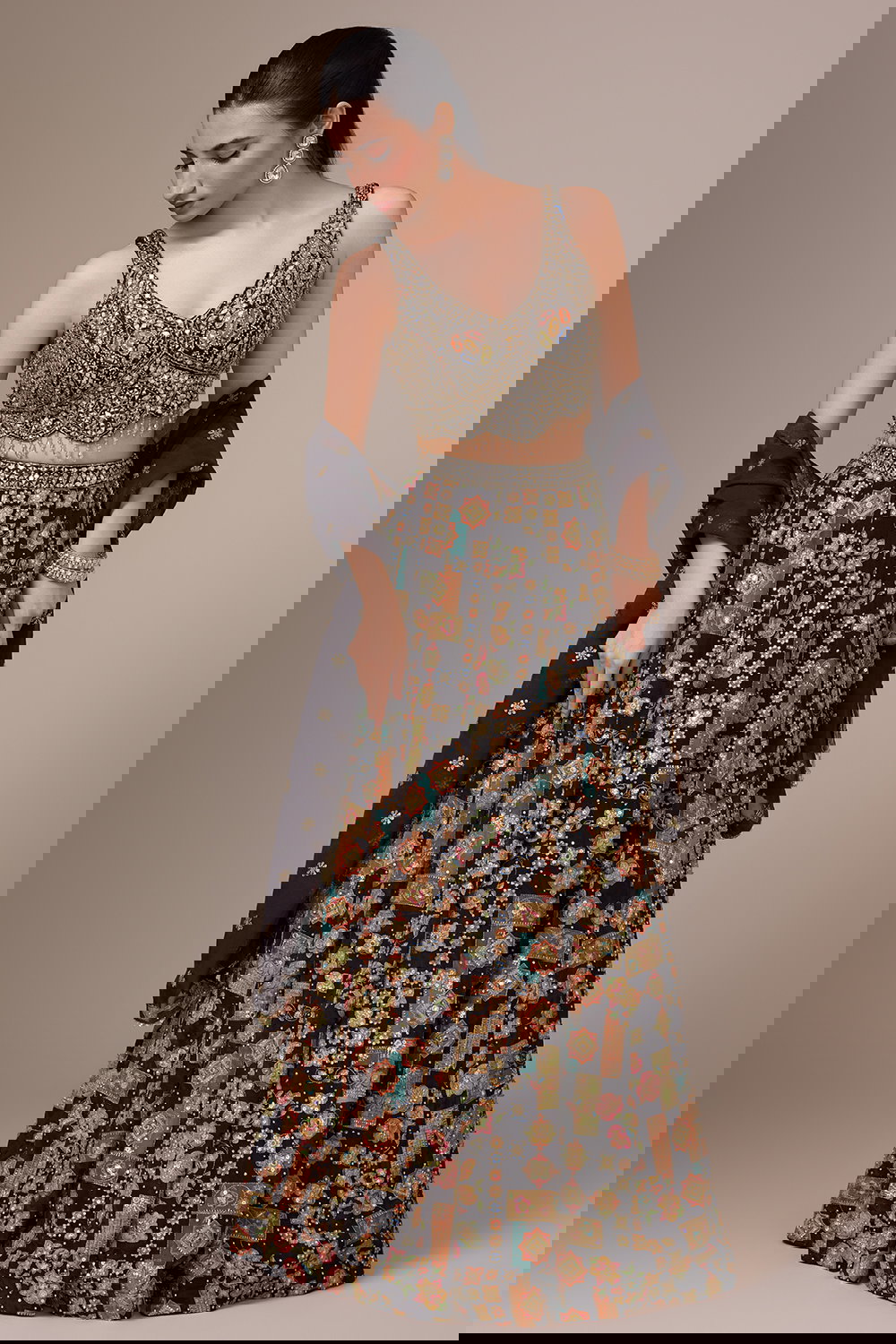
the decade also saw the revival of ethnicity with films too
becoming more discreet and launching a "back to ethnic" look.While
on the one hand the new drive for information technology popularised
the corporate look,an ethno-cultural revival made people again
go back to the traditional forms of art and crafts.States
Baxi, "As it is Indian fashion is extremely alive and whatever
the decade or the century,it is here to stay. For not only
it is comfortable, practical and aesthetically beautiful but
has changed with time with the result that it has, in the past
century,and will in the coming one, remain contemporary,"she
sums up.
Which is why the start of the new century tempts us to dream
and remember the past.
|