|
DEEPAWALI OR DIWALI - HINDU FESTIVAL
Deepawali
or Diwali, the most pan-Indian of all Hindu festivals,
is a festival of lights symbolising the victory of righteousness
and the lifting of spiritual darkness. The word `Deepawali' or 'Diwali'
literally means rows of diyas (clay lamps). A family
festival, it is celebrated 20 days after Dussehra, on
the 13th day of the dark fortnight of the month of Asvin
(October-November)
Continuing the story of Rama, this festival commemorates
Lord Rama's return to his kingdom Ayodhya after completing
his 14-year exile. Twinkling oil lamps or diyas light
up every home and firework displays are common all across
the country. The goddess Lakshmi (consort of Vishnu),
who is the symbol of wealth and prosperity, is also
worshipped on this day.
This festive occasion also marks the beginning of the
Hindu new year and Lord Ganesha, the elephant-headed
god, the symbol of auspiciousness and wisdom, is also
worshipped in most Hindu homes on this day.
Another view is that Deepawali or Diwali is meant to celebrate
the destruction of the arrogant tyrant Bali at the hands
of Vishnu when the latter appeared in his Vamana (dwarf)
avatar.
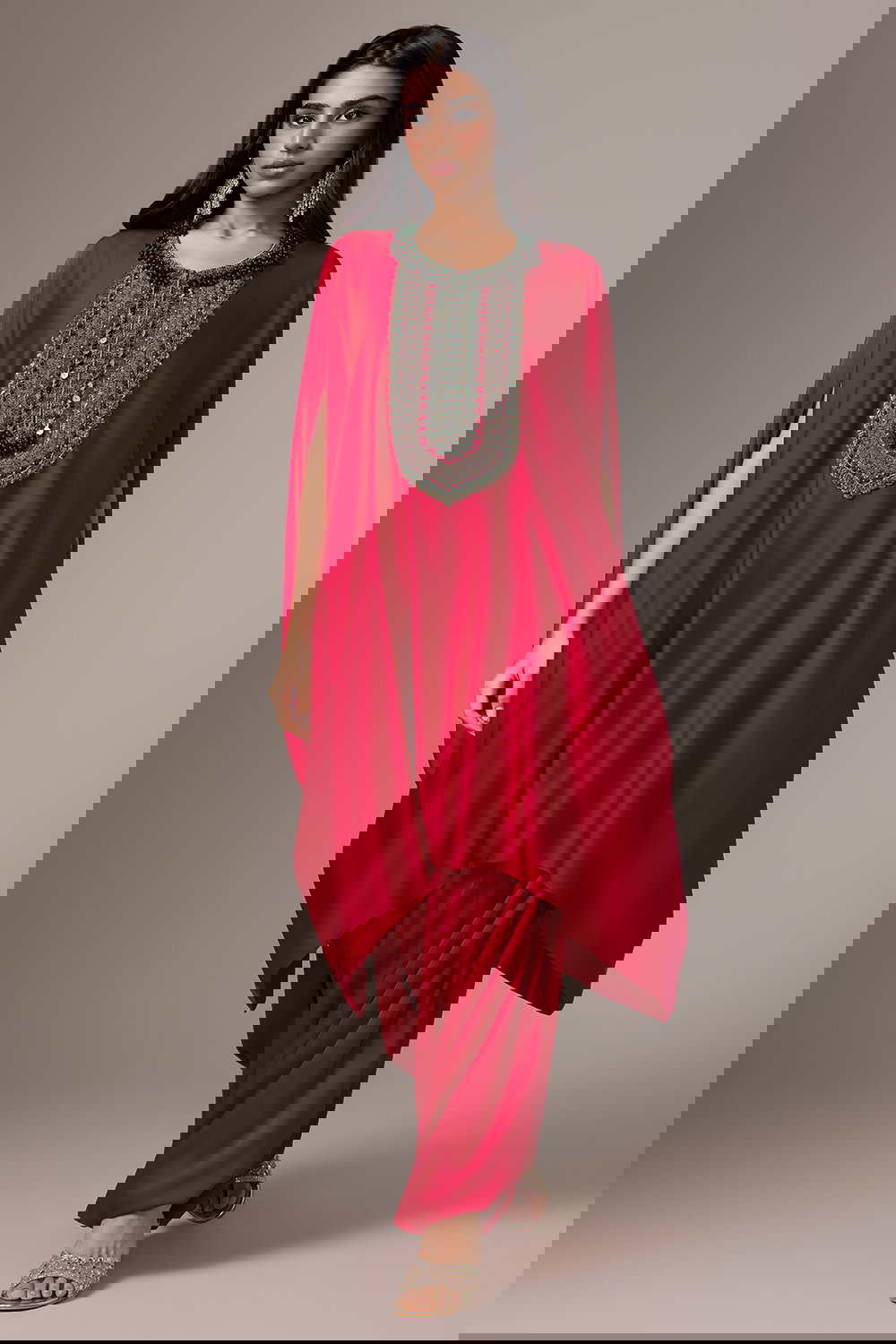
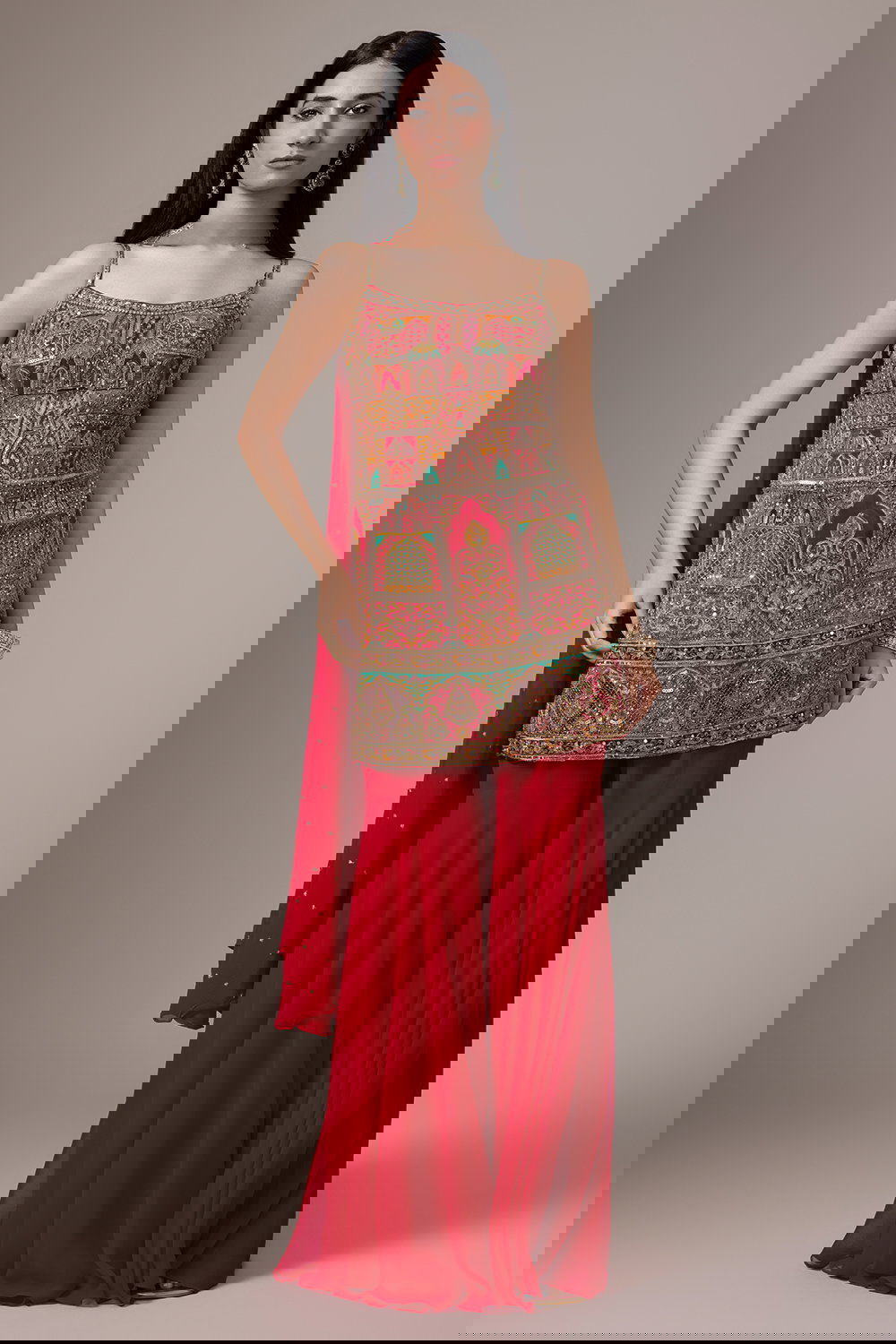
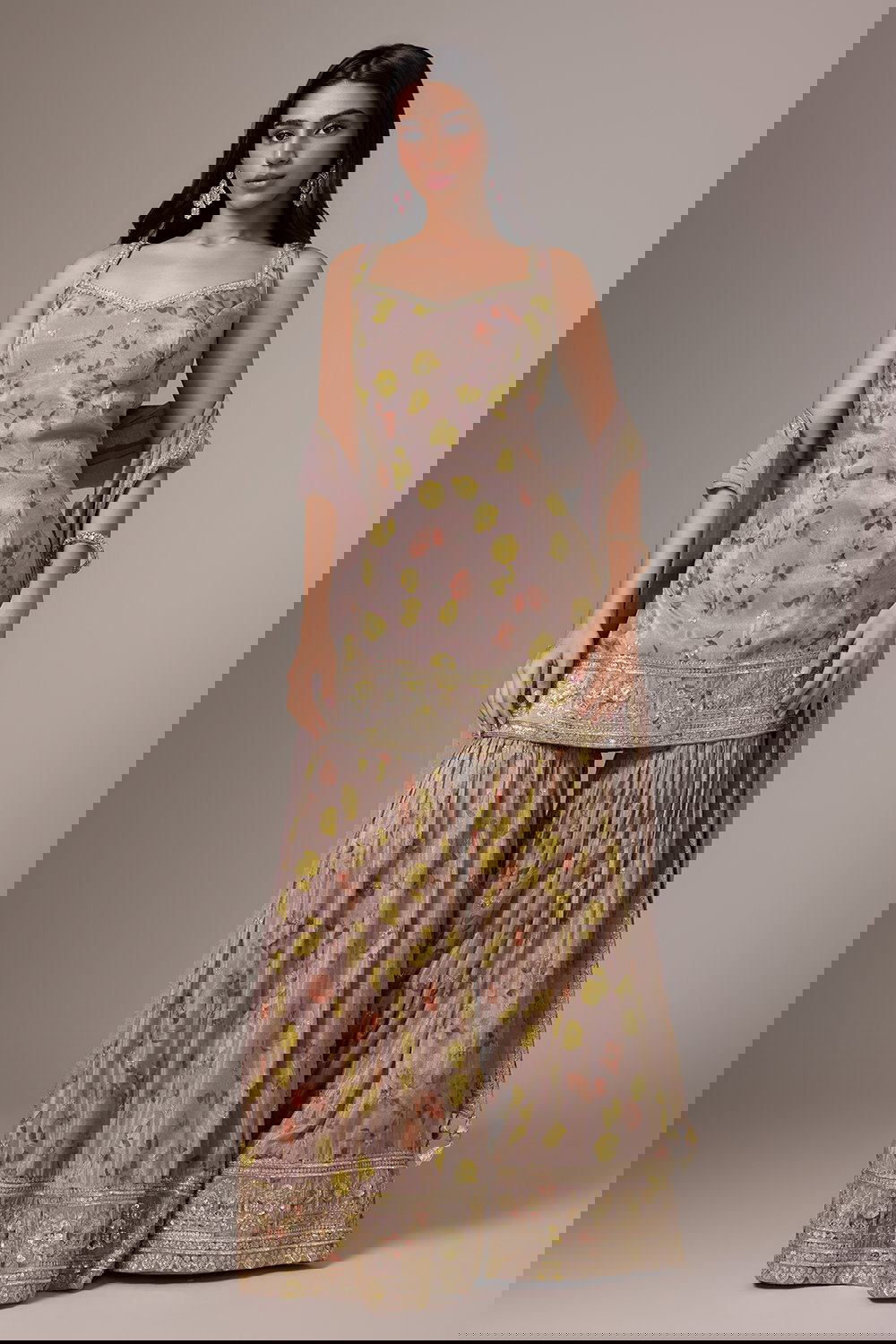
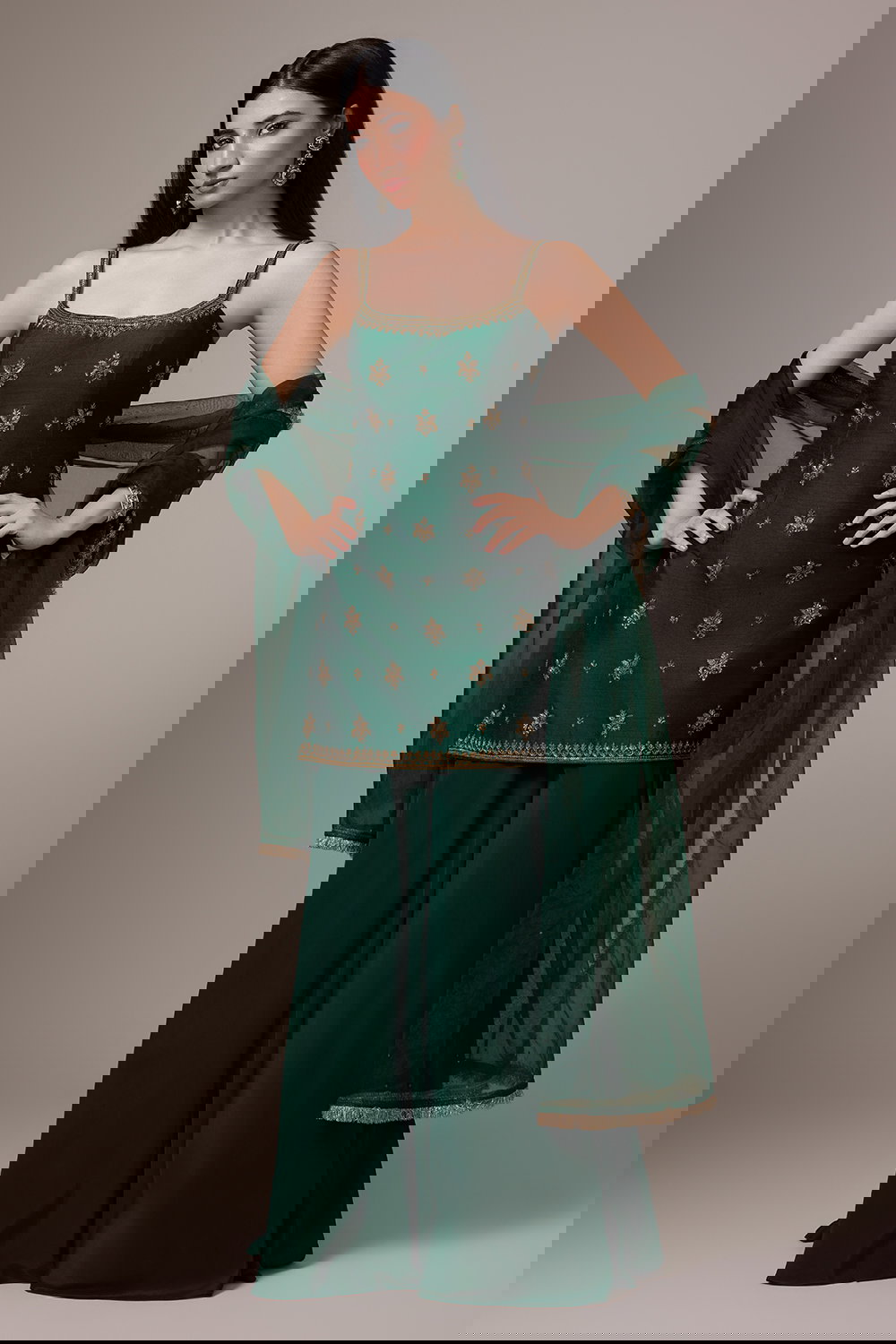
The occasion of Deepawali or Diwali sees the spring-cleaning and
white-washing of houses; decorative designs or rangolis
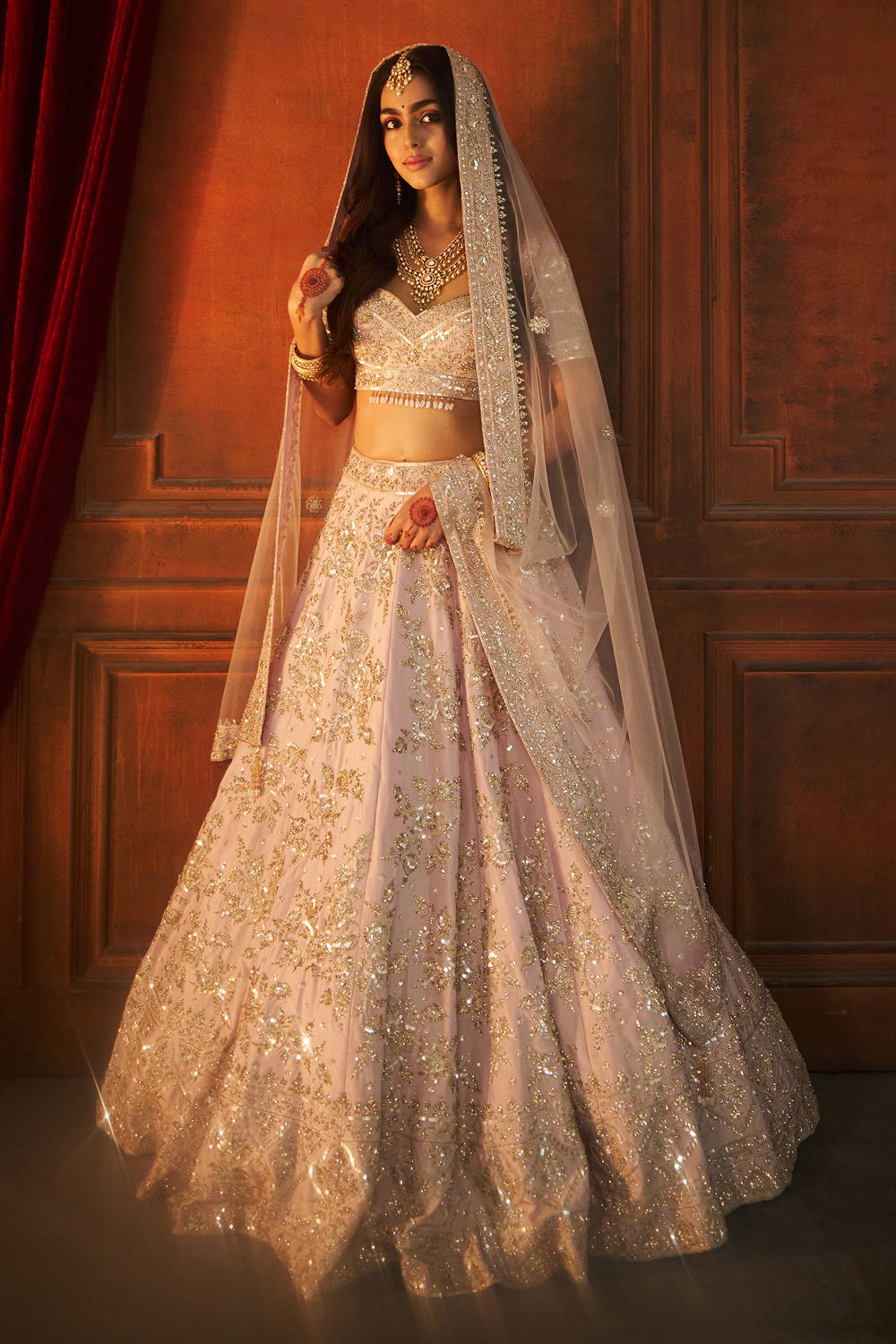
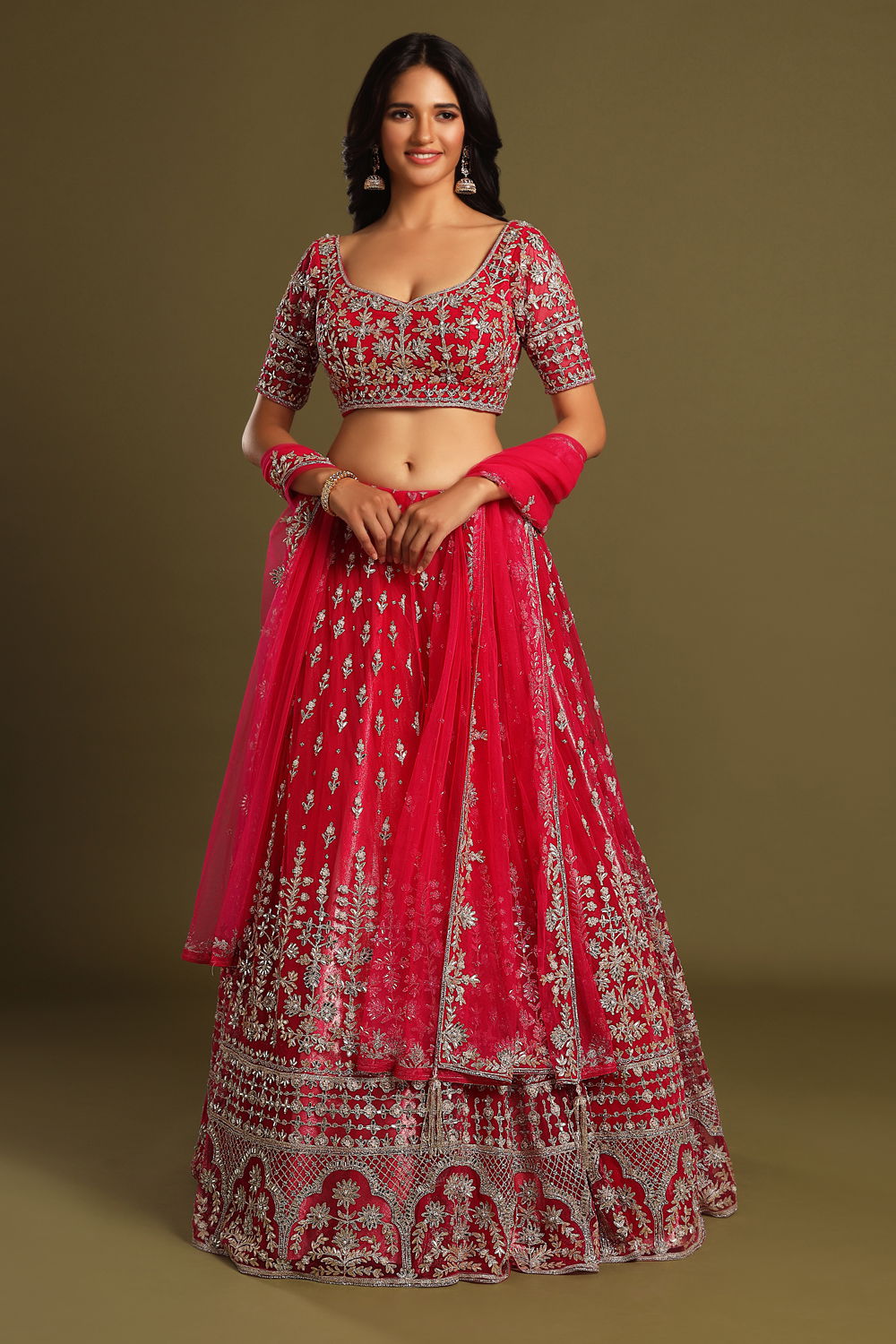
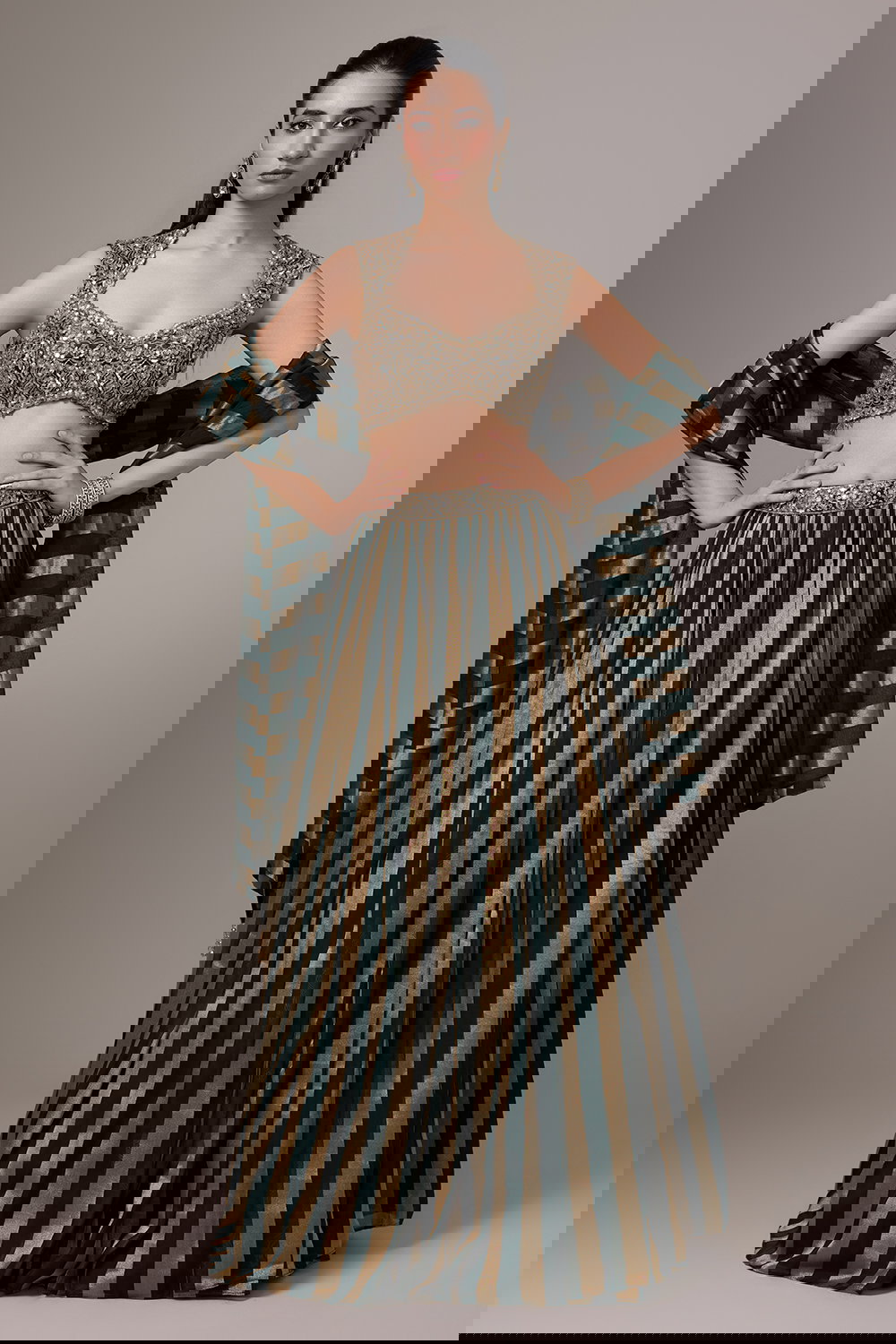
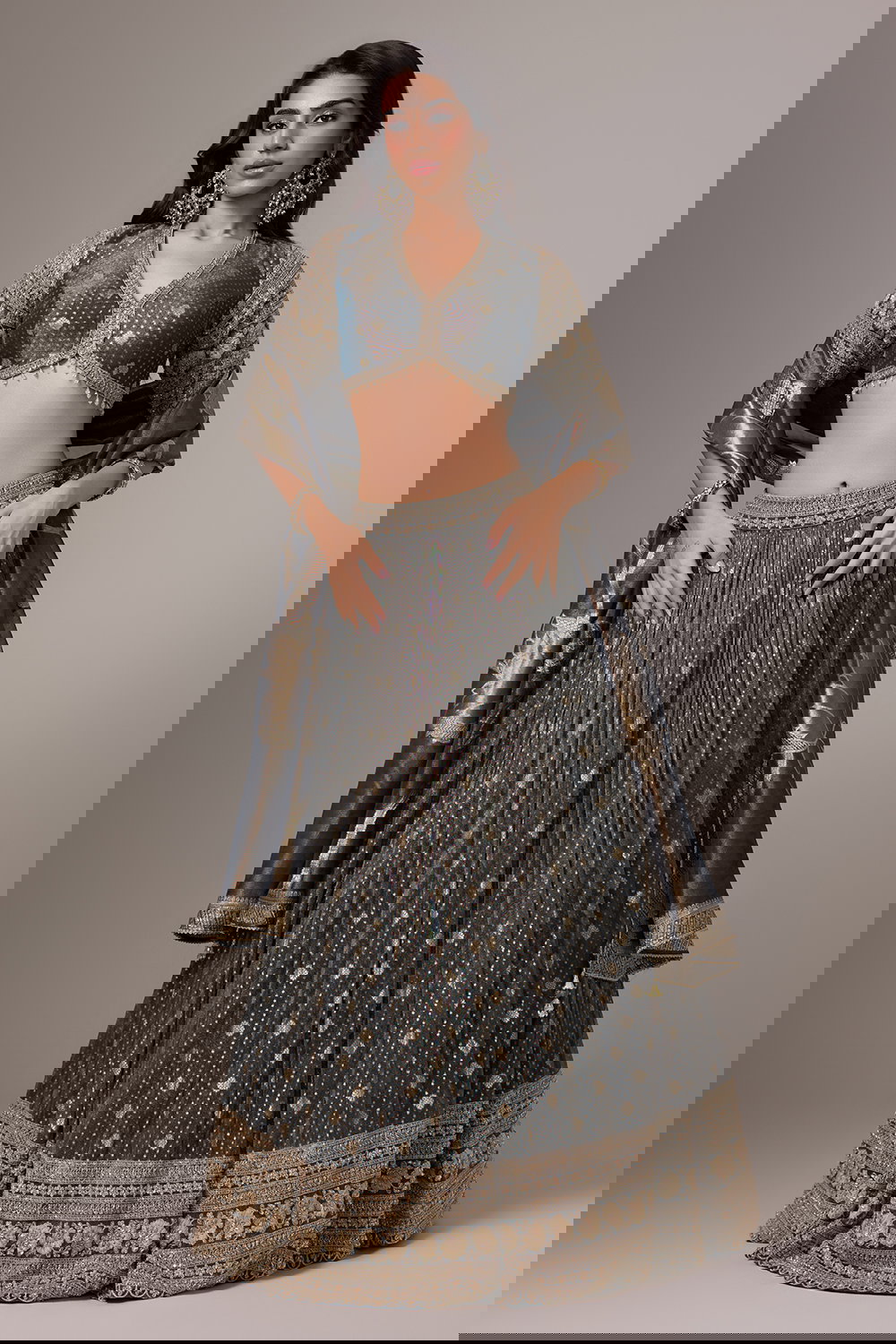
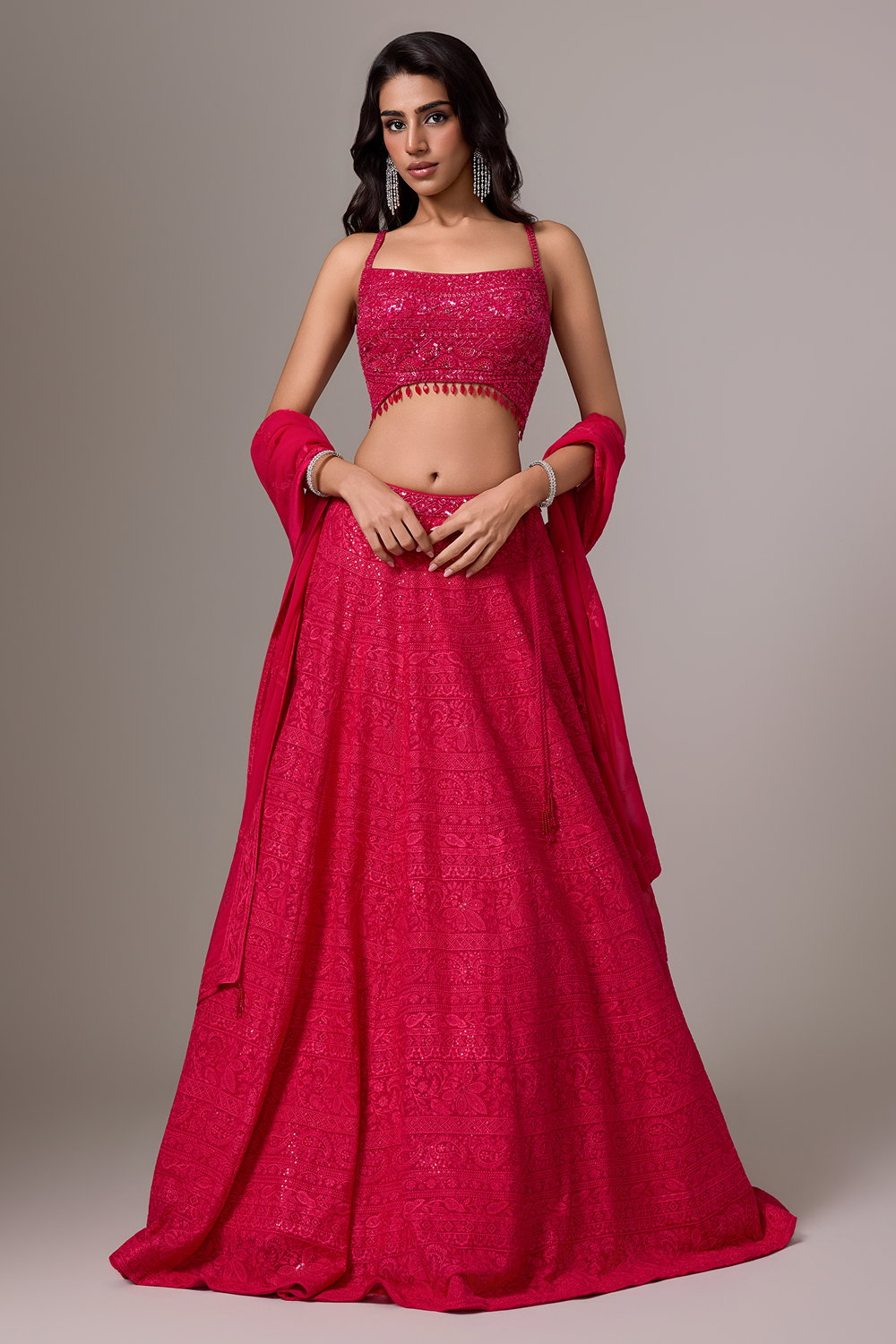
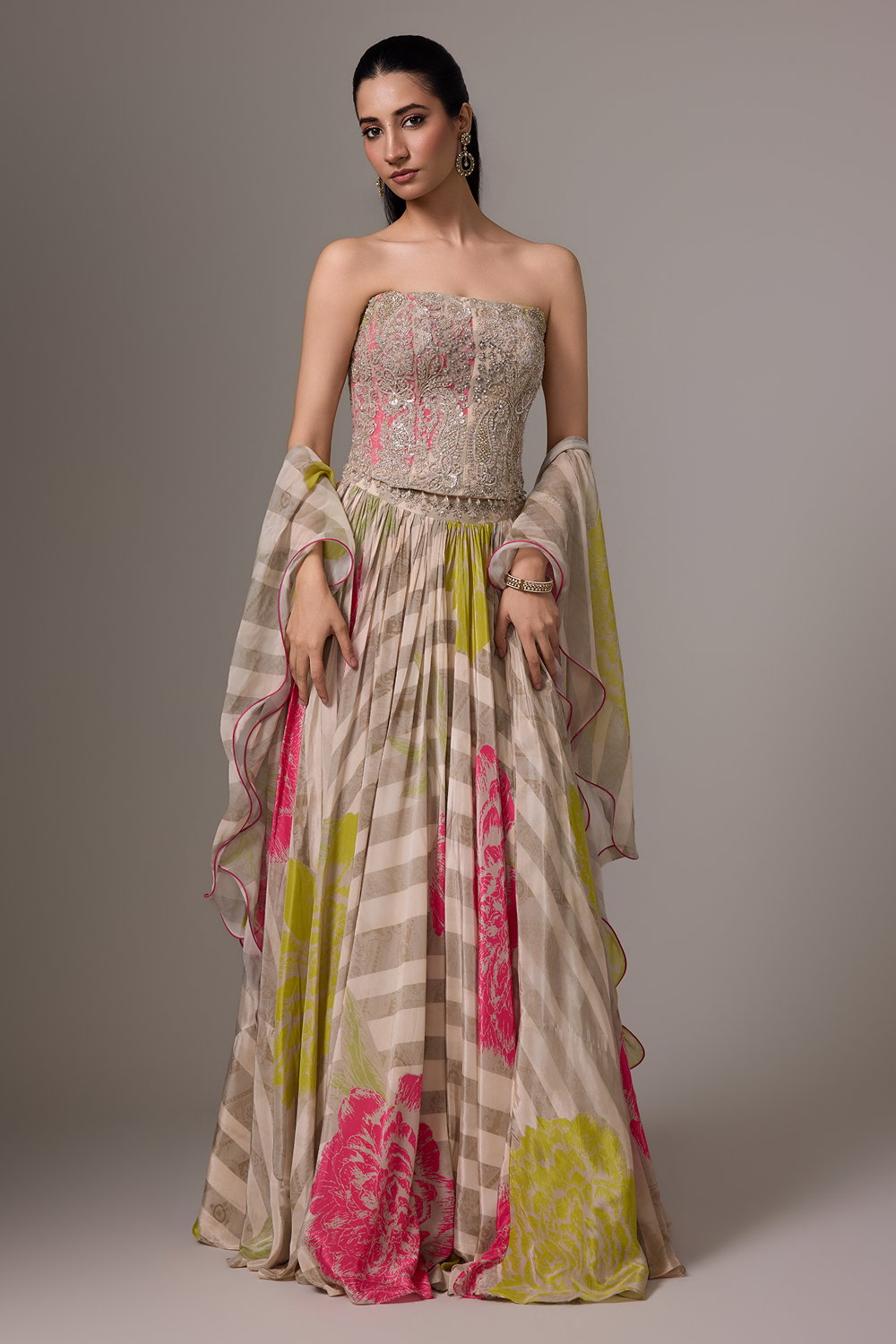
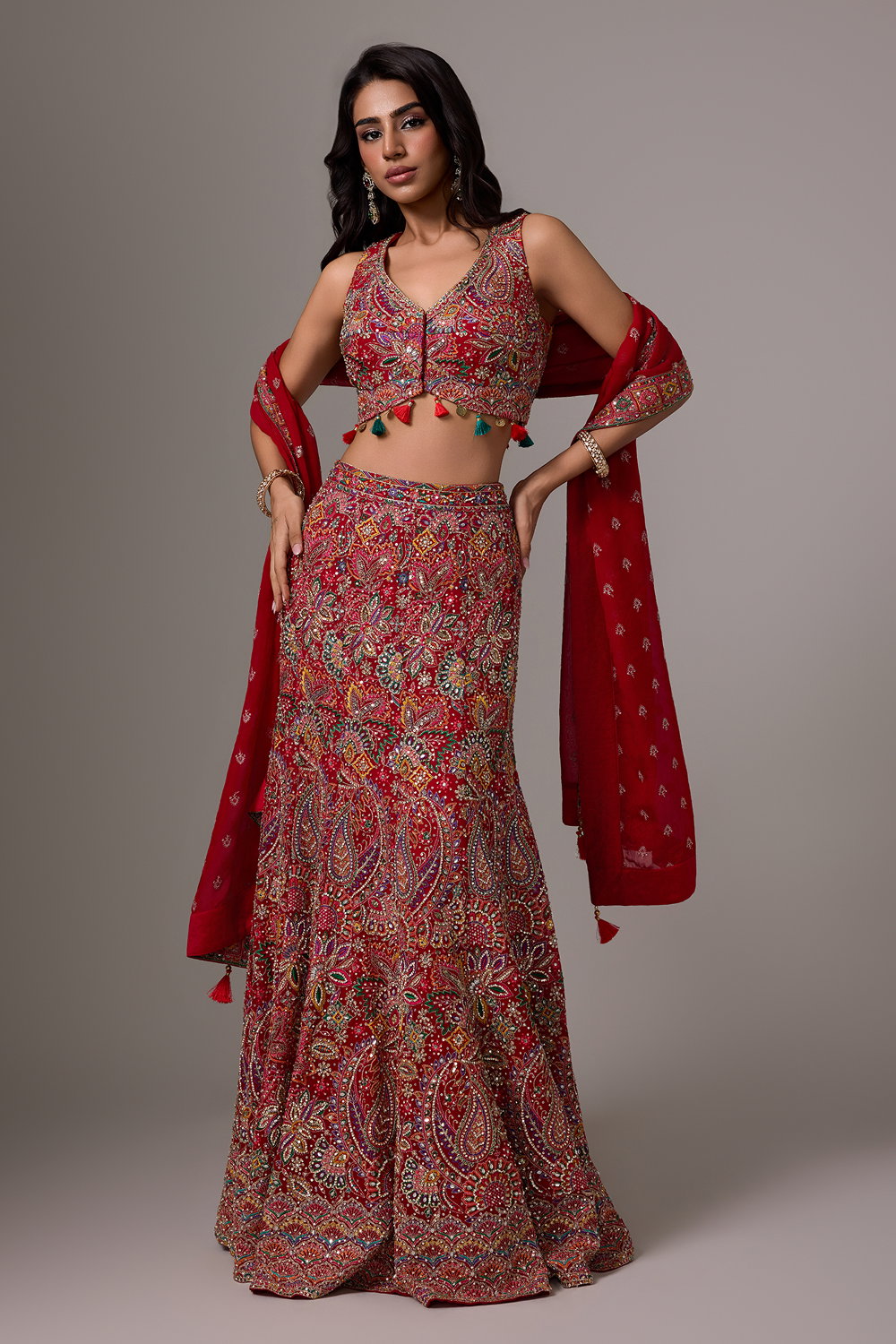
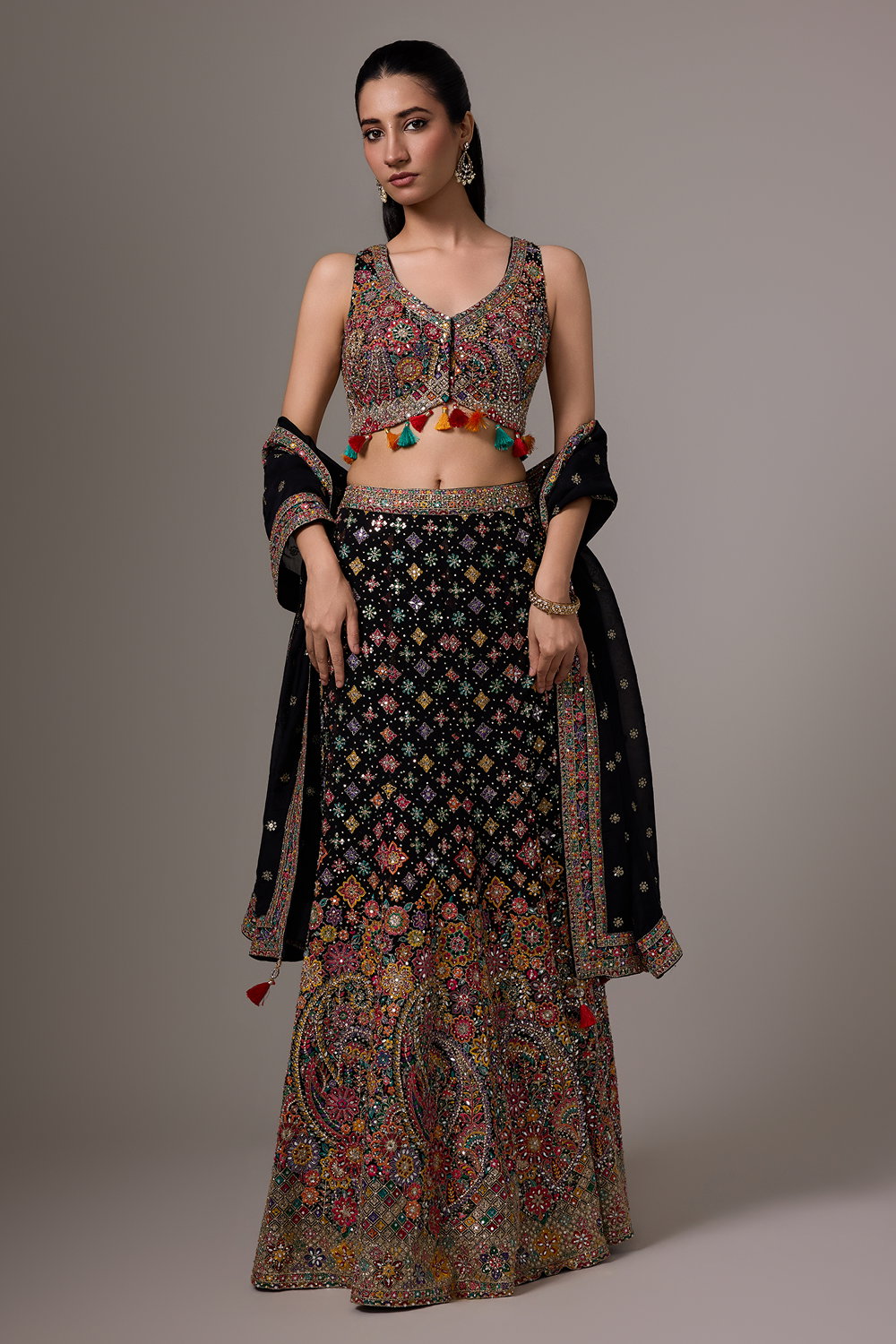
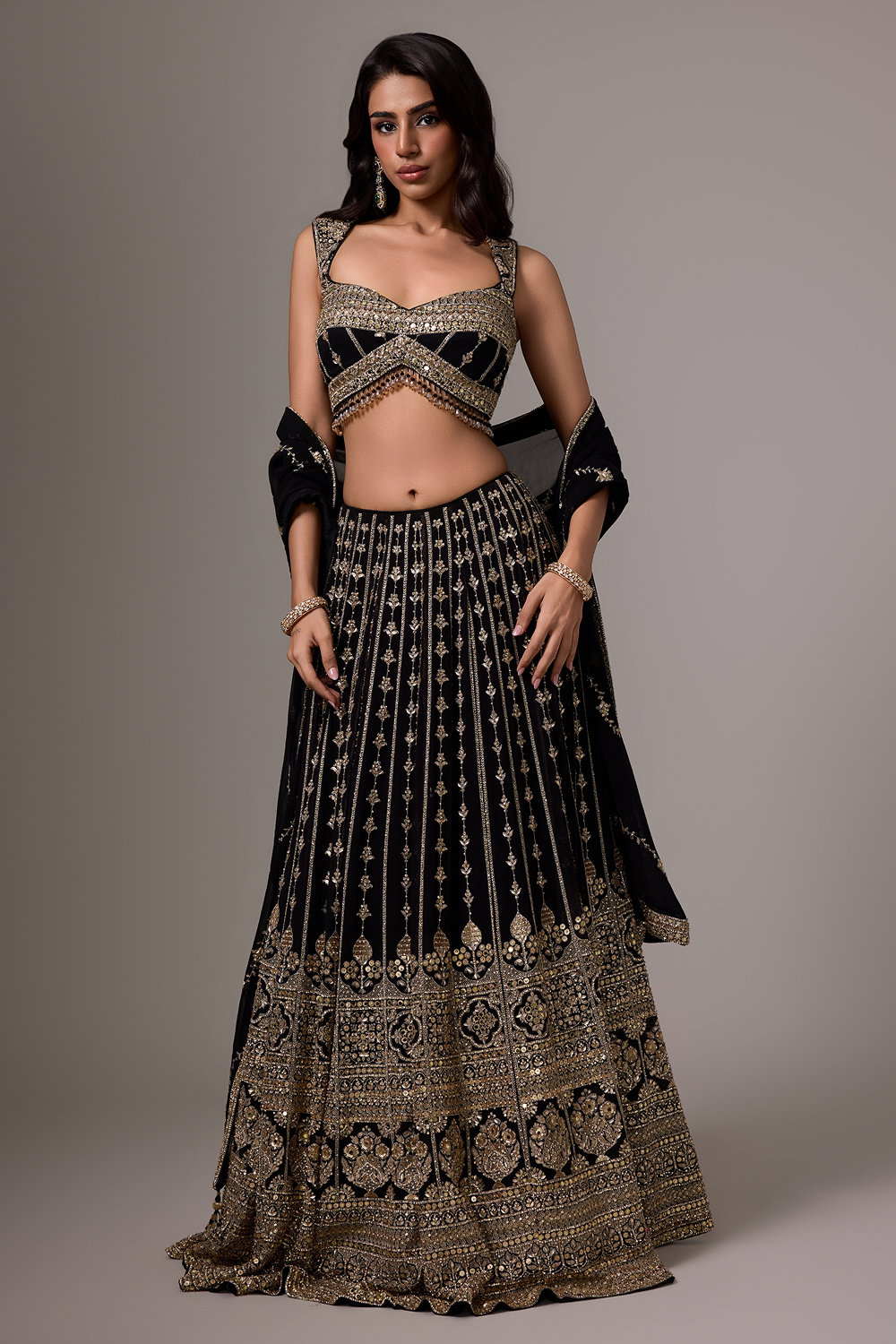
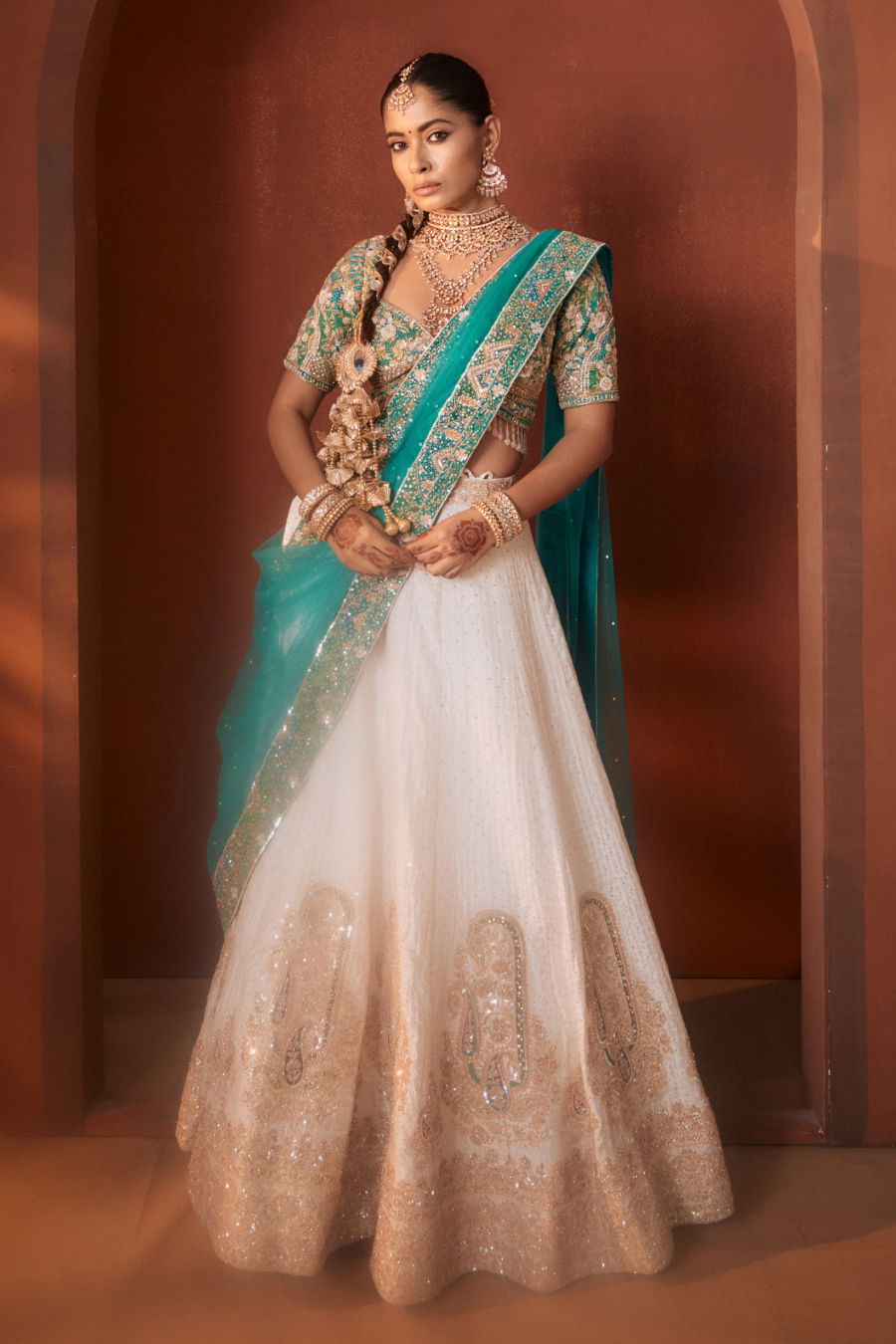
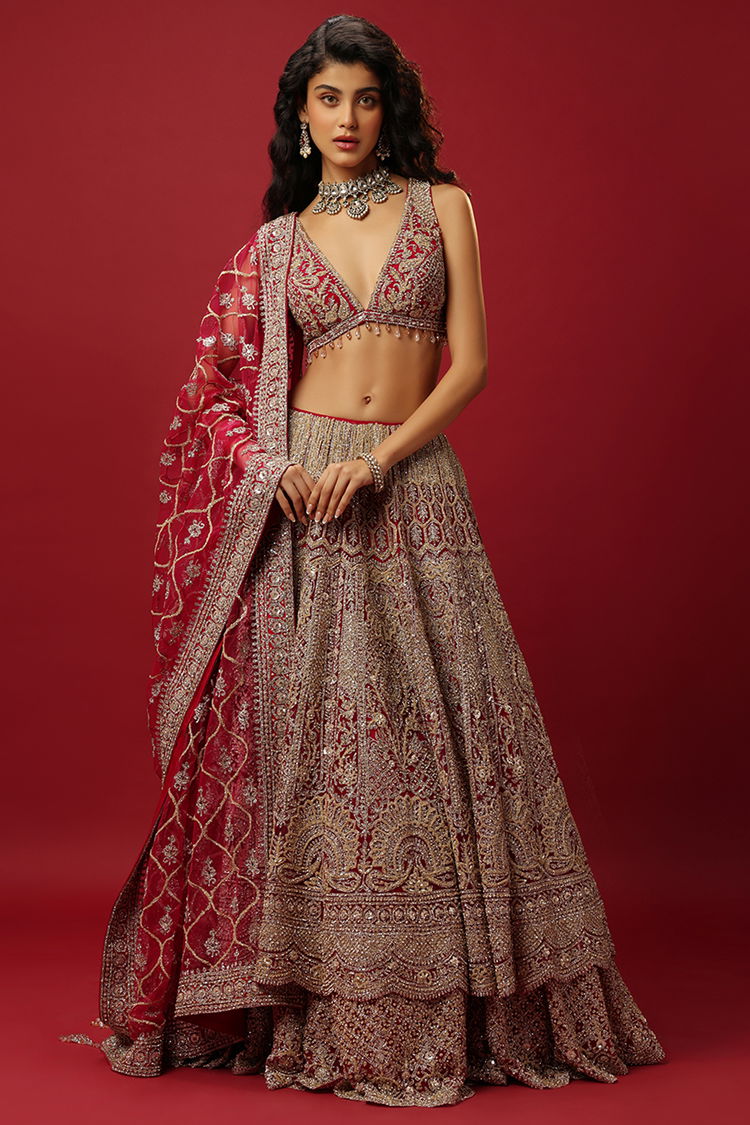
are painted on floors and walls. New clothes are bought
and family members and relatives gather together to
offer prayers, distribute sweets and to light up their
homes.
In West Bengal, the Deepawali festival is celebrated
as Kali Puja and Kali, Siva's consort, is worshipped
on this day.
|