|
Indian Classical
Dances
KATHAK DANCE
The
Kathak dance form originated in the north and at first
was very similar to the Bharatanatyam. Persian and Muslim
influences later altered the dance from a temple ritual
to a courtly entertainment. The influence of the Mughal
tradition is evident in this dance form, and it has
a distinct Hindu-Muslim texture.
The word Kathak, derived from 'Katha', literally means
storyteller. In ancient times, storytellers used song
and dance to embellish their narration. This took the
form of Kathakalakshepam and Harikatha in southern India,
and the form of Kathak in the north. Around the 15th
century, the dance form underwent a drastic transition
due to the influence of Mughal dance and music. By the
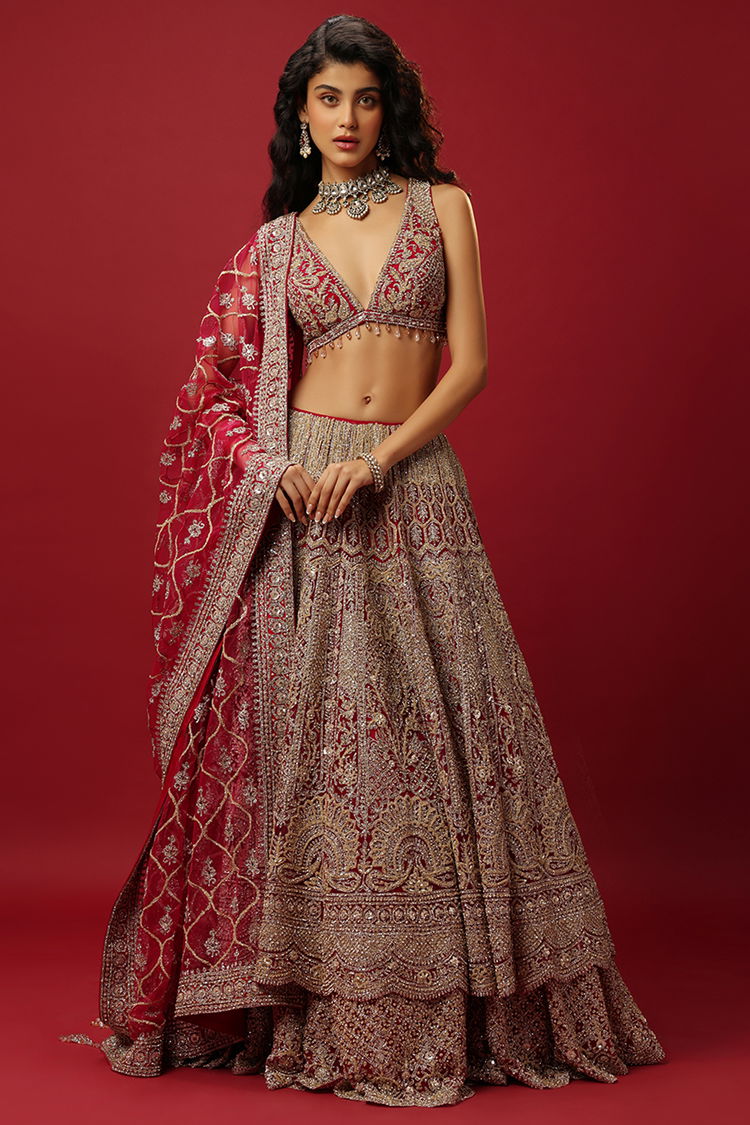
sixteenth century, the tight churidar pyjama became
the staple attire of a Kathak dancer.
Today, the maestros of this dance form include Birju
Maharaj and Uma Sharma.
The dances are performed straight-legged and the ankle
bells worn by the dancers adeptly controlled. Kathak
has an exciting and entertaining quality with intricate
footwork and rapid pirouettes being the dominant and
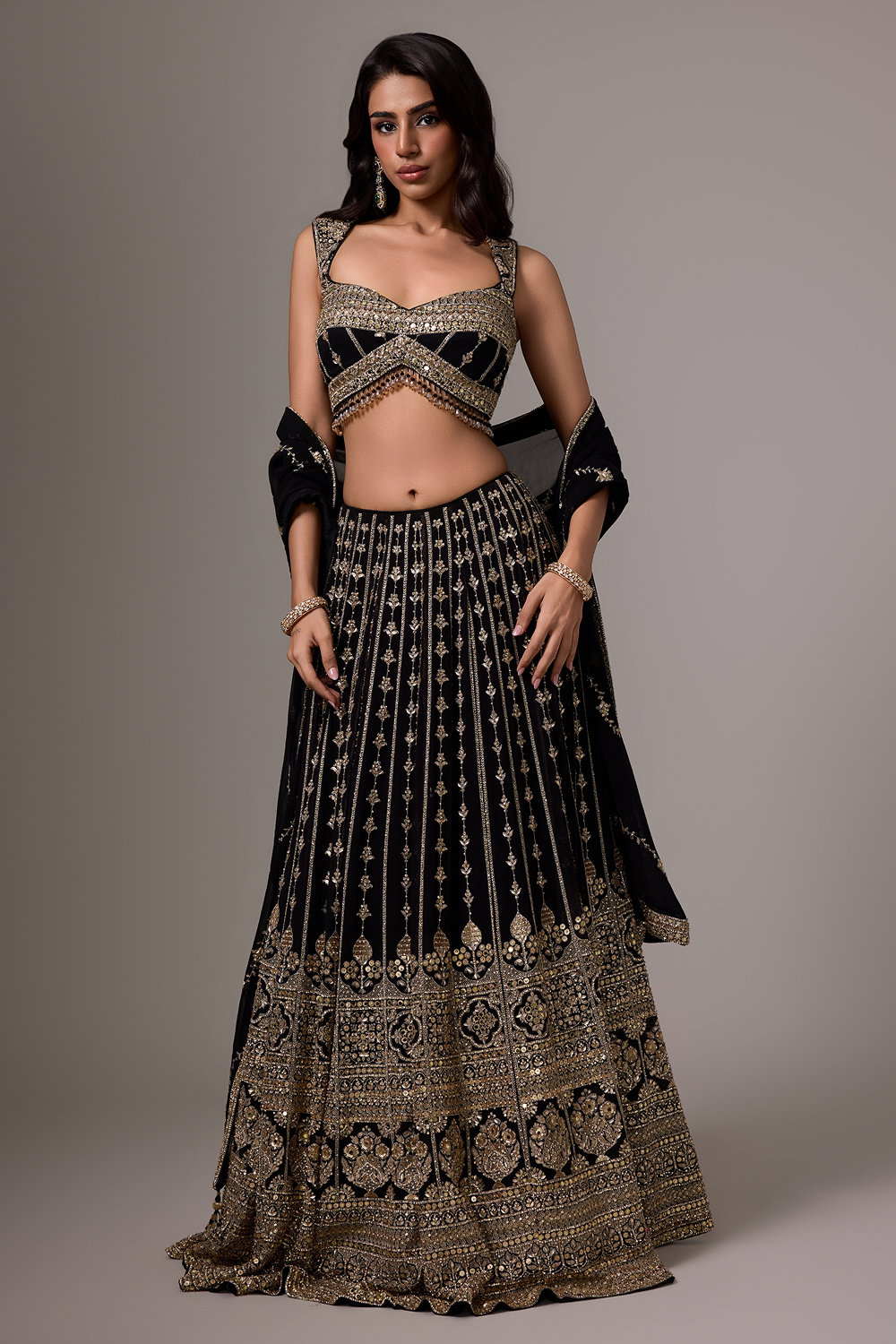
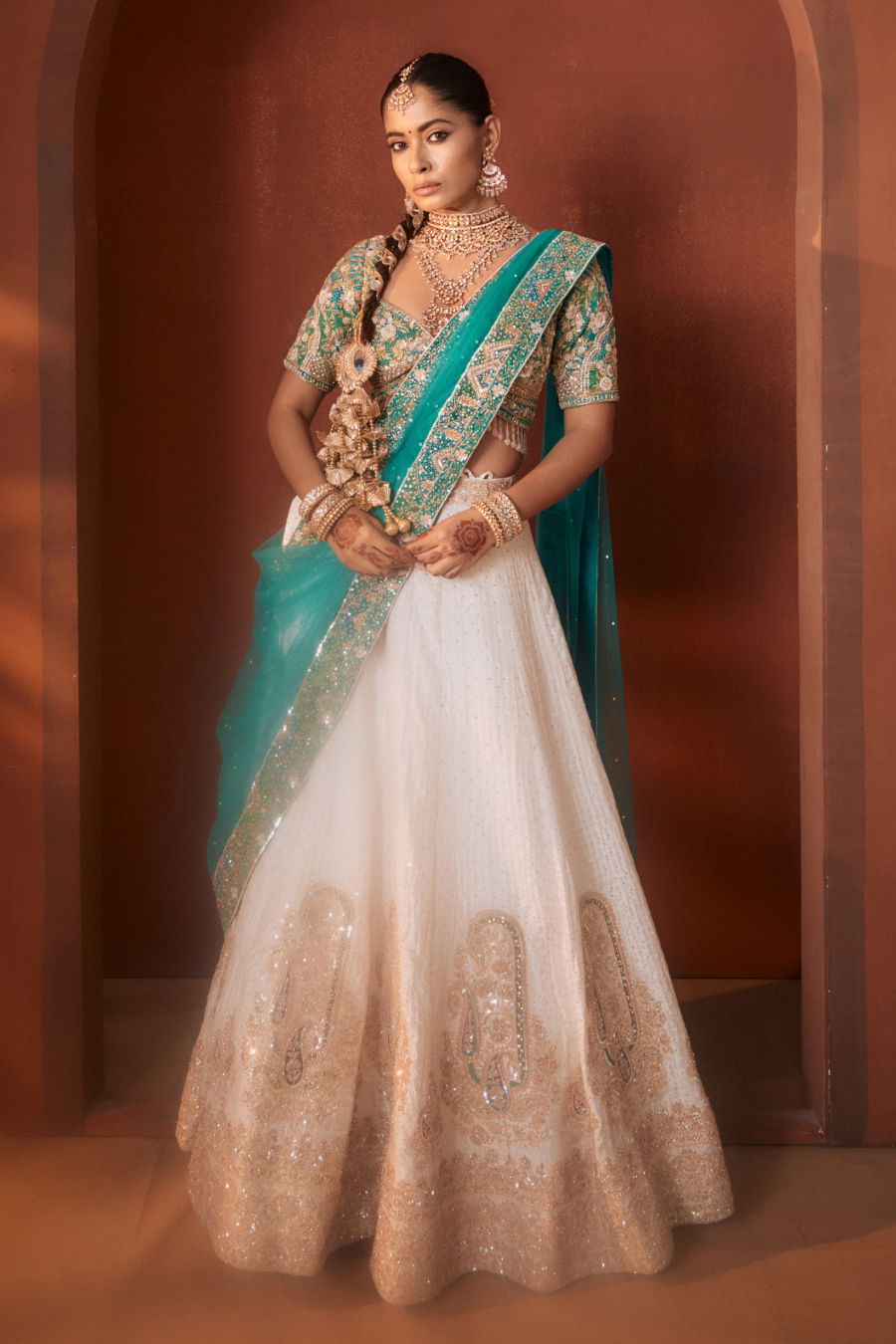
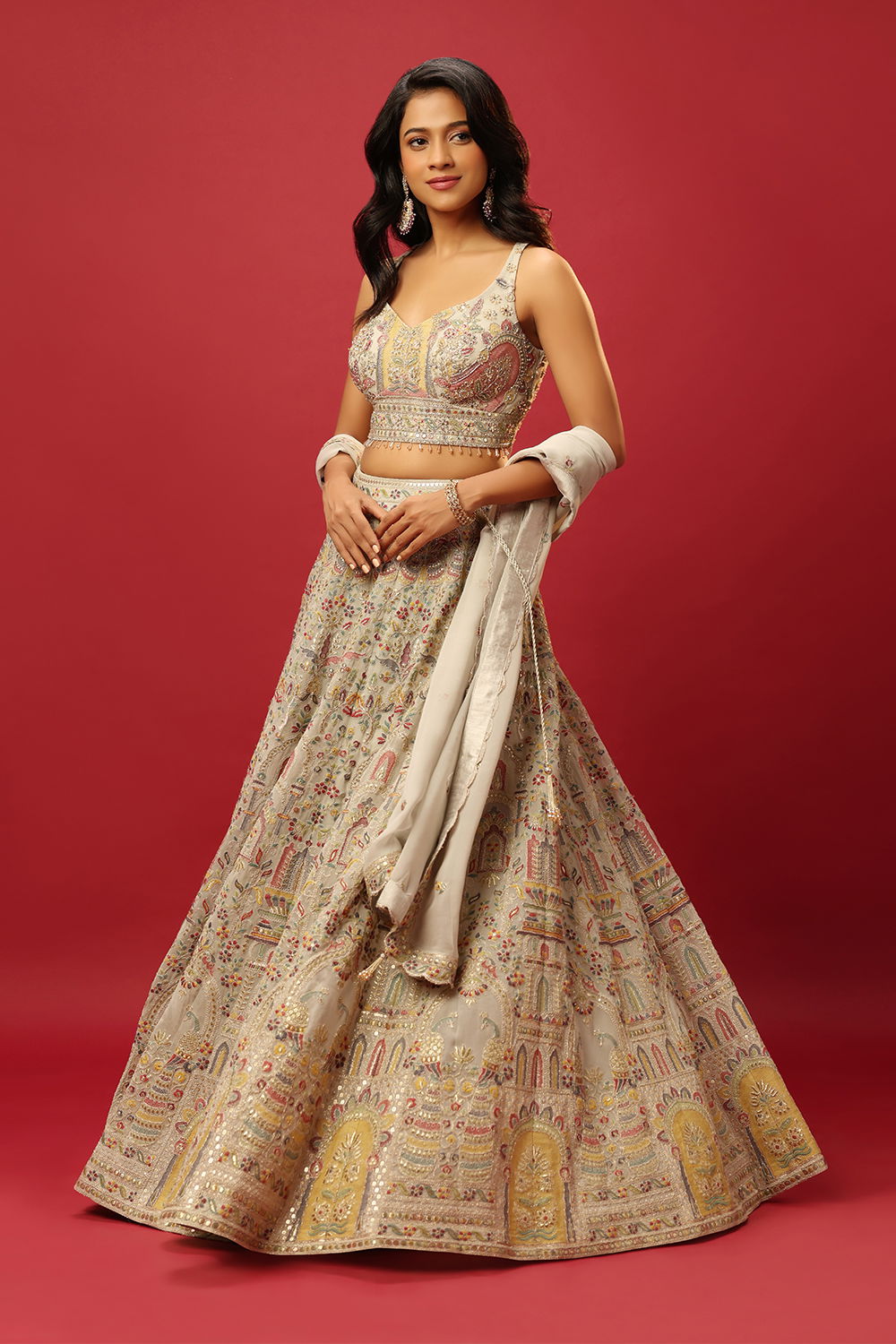
most endearing features of this style. The costumes
and themes of these dances are often similar to those
in Mughal miniature paintings.
Though not similar to the Natyasastra, the principles
in Kathak are essentially the same. Here, the accent
is more on footwork as against the emphasis on hasta
mudras or hand formations in Bharatanatyam.
|